Tier 3 pilgrim market · Hindu · Uttarakhand
Badrinath Pilgrimage: Modern Sleeping Pods for Ancient Devotion
Badrinath Temple, dedicated to Lord Vishnu, is a premier Vaishnavite shrine and one of the 108 Divya Desams, revered as a self‑manifested (svayam vyakta) deity site and a key stop on the Char Dham pilgrimage.
Annual pilgrim footfall
Approximately 28 lakh pilgrims visit Badrinath each season, translating to roughly 2‑3 lakh visitors per month during the six‑month opening period.
Peak seasons
Late April – Early June, July – August, September – Early November
Deity & tradition
Vishnu — Hindu. Pilgrims are predominantly families and senior devotees who rely on government dharamshalas, which overflow during peak days, leaving many to camp on temple grounds or sleep on roadways.
Around Badrinath
The shrine, ghats and circuit sights that drive year-round pilgrim footfall at Badrinath.
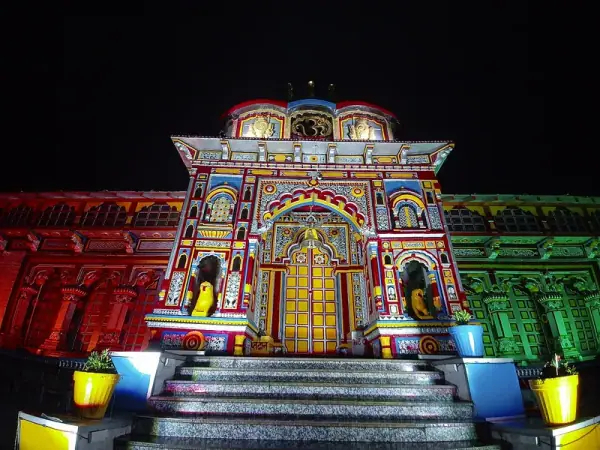
Badrinath
Badrinath temple aerial
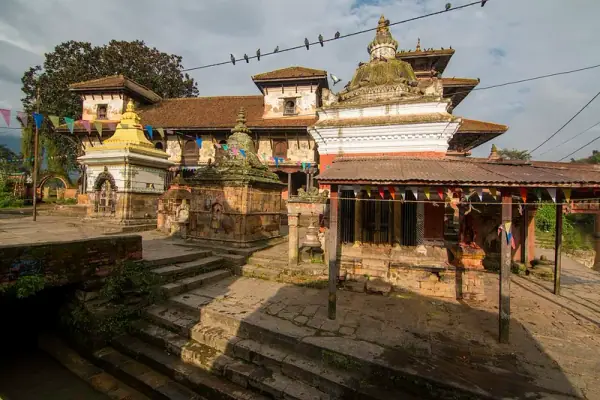
Badrinath ghat
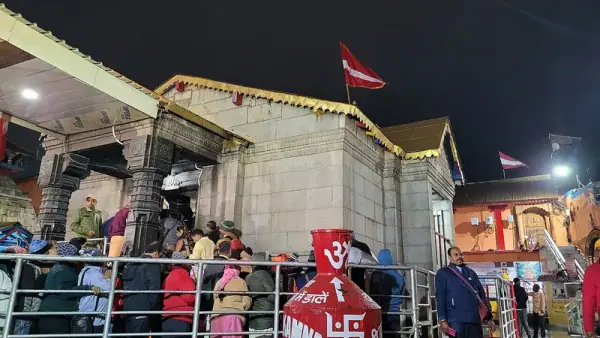
Badrinath interior
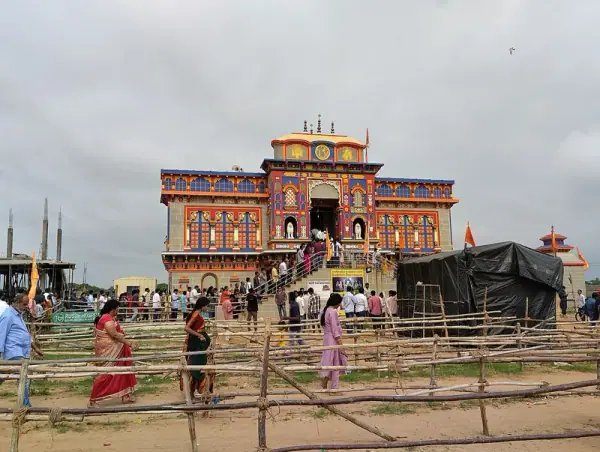
Badrinath entrance
Why Badrinath matters
Badrinath Temple, dedicated to Lord Vishnu, is a premier Vaishnavite shrine and one of the 108 Divya Desams, revered as a self‑manifested (svayam vyakta) deity site and a key stop on the Char Dham pilgrimage.
History & heritage
The temple’s origins trace back to the 9th‑century establishment by Adi Shankara, with later expansions by Garhwal kings and reconstruction after the 1803 earthquake; its architecture features a Garbhagriha, Darshan Mandapa and Sabha Mandapa crowned by a 15 m conical roof.
Why a pod hotel works at Badrinath
During peak pilgrimage weeks, the limited government dharamshalas reach full capacity, private hotels are priced beyond most devotees' budgets, and many pilgrims resort to sleeping on the temple steps or under makeshift tents, creating a critical need for affordable, hygienic overnight options.
Most pilgrims travel by road from major hubs like Rishikesh and Dehradun, with the nearest railhead at Kathgodam (≈250 km) and the nearest airport at Jolly Grant, Dehradun (≈300 km); the route is part of the traditional Char Dham yatra circuit.
Best ways to use pods here
- Budget capsule stay for families arriving early for the Maha Navami crowd (200‑300 K daily devotees)
- Night‑time pod lodging for senior pilgrims who need quick rest after Tapt Kund rituals
- Seasonal overflow pods for pilgrims on the Char Dham circuit who transit through Badrinath at night
- Eco‑friendly pod units for environmentally conscious travelers seeking minimal footprint in the Himalayas
- 24‑hour secure sleeping pods for emergency medical teams stationed during monsoon storms
Where the pilgrim demand sits
Transit & arrival
- •Kathgodam Railway Station – 250 km
- •Jolly Grant Airport, Dehradun – 300 km
- •Rishikesh Bus Stand – 210 km
On the yatra route
- •Badrinath Base Camp (Gaurikund) – 6 km
- •Hemkund Sahib Trek Starting Point – 15 km
- •Alaknanda Riverbank Dharamshala – 2 km
Nearby shrines & circuit
- •Tapt Kund – sacred hot spring for ritual bathing
- •Narad Kund – secondary holy pond
- •Madhya Badri – ancient shrine with a small Vishnu image
Major festivals & melas
- •Maha Navami – celebrates Vishnu’s victory and draws massive crowds
- •Bhadrapad Purnima – a night of special darshan
- •Rama Navami – pilgrims perform special prayers at the Tapt Kund
Profit & ROI projection at Badrinath
A starter model based on a minimum 50 pods at 70% occupancy and an indicative ₹800/pod/night. Costs use the same itemised basis as our full ROI calculator — pods, add-ons, 18% GST, transport, fit-out and full monthly running cost.
Important: this is only an ASSUMPTION-based projection — not an accurate quote or a guarantee.
Real cost, occupancy, pricing and profit change with your exact location, property rent, yatra season, festival peaks and competition. Treat these as a planning estimate only. For real numbers, use the full calculator or get a custom quote from BIDUA.
Total investment
₹79.7 lakh
50 pods + add-ons + GST + fit-out
Monthly revenue
₹8.4 lakh
35 of 50 pods filled/night
Monthly net profit
₹3.8 lakh
45% margin after all costs
Payback
~21 mo
57% annual ROI
Break-even occupancy ≈ 29% — you only need this much filled to cover all costs; everything above is profit. Festival & yatra peaks routinely push pilgrim-town occupancy far higher.
| 50 pods (BIDUA mix) | ₹40,30,000 |
| Add-ons (mattress, bedding, panels, safe lock, table) | ₹16,25,200 |
| GST @ 18% (pods + add-ons) | ₹10,17,936 |
| Transport (warehouse → site) | ₹4,00,000 |
| Fit-out, AC, reception, branding + rent deposit | ₹9,00,000 |
| Total investment | ₹79,73,136 |
| Revenue (50 × 70% × ₹800 × 30) | ₹8,40,000 |
| Fixed costs (rent, staff, power, housekeeping…) | – ₹2,67,000 |
| Variable (OTA + marketing + gateway, 23%) | – ₹1,93,200 |
| Net profit / month | ₹3,79,800 |
| Net profit / year | ₹45,57,600 |
Indicative ROI inputs based on tier benchmarks; not a guarantee — adjust to your specific lease and ADR. Figures are indicative estimates, not guarantees.
Also planning standalone rooms?
Consider prefab Capsule Houses for outdoor accommodation in Badrinath
Sleeping pods maximise indoor bed capacity. Capsule houses solve a different need: detached, self-contained guest rooms for resorts, scenic plots and destination stays.
Badrinath pilgrim pod-hotel business plan & study
A step-by-step plan to launch a capsule / sleeping-pod hotel for pilgrims at Badrinath — from picking a spot near the shrine to licences, setup, pricing and reaching profitable occupancy through yatra and festival peaks.
Demand drivers
12+
transit, yatra-route, circuit & festival footfall points
Space needed (50 pods)
2250–2750 sq ft
single rented floor + reception & washrooms
Break-even occupancy
29%
fill above this and you are in profit
Indicative payback
~21 months
on ₹79.7 lakh all-in setup
1. Pick the right location
Target a floor close to Badrinath Base Camp (Gaurikund) – 6 km or Kathgodam Railway Station – 250 km, within walking or short-shuttle distance of the shrine. Best opening use-case: Budget capsule stay for families arriving early for the Maha Navami crowd (200‑300 K daily devotees).
2. Plan investment & funding
Budget about ₹79.7 lakh all-in for 50 pods (pods + add-ons + 18% GST + transport + fit-out & deposit). Many operators fund this with own capital plus a small business/MSME loan against projected yatra-season cash flow.
3. Licences & compliance
Arrange a municipal trade licence, GST registration, fire safety NOC, police/guest verification, and any temple-town/local authority approvals before launch.
4. Build & launch
BIDUA shares a free 3D layout, then delivers and helps install the pods. Civil, electrical, AC and reception fit-out typically takes ~30–45 days, so you can open before the next big festival.
5. Pricing & operations
Start at ~₹800/pod/night, flex up sharply during Late April – Early June, and add hourly slots for darshan-queue rest. Keep pods clean, private and secure to win repeat pilgrim stays.
6. Marketing & occupancy
List on OTAs (MakeMyTrip, Booking.com, Goibibo) + Google Business Profile, and tie up with tour operators, yatra package agents and local pandas/priests to push occupancy past the 29% break-even.
Recommended pod setup for Badrinath
60 horizontal single pods + 20 vertical single pods + 10 family pods on a single floor of roughly 4,500 sq ft.

GALAXY Series - Horizontal Single
Standard ABS shell with metal frame featuring TV slot, security sliding door, and ergonomic non-slip ladder. Perfect for hotels, airports, and commercial applications.
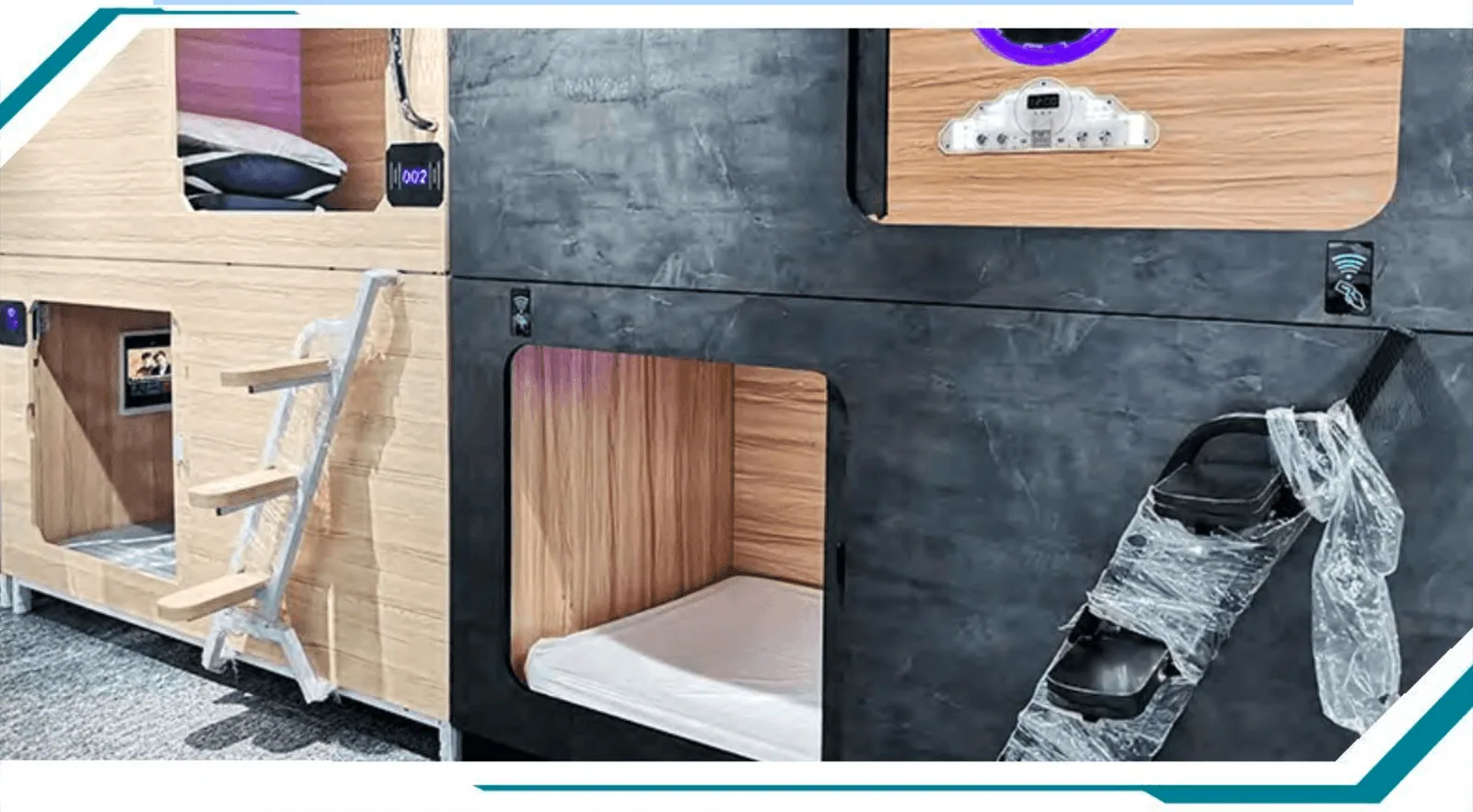
Wooden Series - Horizontal Single
Premium eco multi-layer board construction with metal frame, offering natural wood-grain aesthetics while maintaining all essential capsule bed features.
Pilgrim-market deep-dive
The Badrinath pilgrim pod-hotel opportunity
Badrinath Temple, perched at 3,133 m in the Garhwal Himalayas, honors Lord Vishnu as the self‑manifested deity Badrinarayan. Recognised among the 108 Divya Desams and a cornerstone of the Char Dham pilgrimage, the shrine blends ancient Alaknanda‑river vistas with a striking conical sanctum crowned by a gilt gold cupola, drawing devotees from across India and abroad.
Each year, millions of pilgrims traverse the rugged mountain roads to witness the temple’s sanctified rituals, especially during Maha Navami, Bhadrapad Purnima and Rama Navami, when daily footfall can surge to over 30,000 visitors. The influx peaks in late spring, monsoon‑laden summer, and early autumn, creating intense crowd pressures on the limited lodging infrastructure.
On the ground, pilgrims face a stark accommodation shortage: government dharamshalas fill within hours, private hotels charge premium rates, and many are forced to sleep on temple steps, roadside benches, or under temporary tarps. This leads to fatigue, health risks, and diminished spiritual experience, underscoring a pressing need for clean, affordable overnight options.
Capsule hotels present a perfect solution; modular pod units require minimal land, offer climate‑controlled privacy, and can be rapidly deployed to meet seasonal demand. For operators, Badrinath’s high pilgrim density, predictable peak windows, and supportive state tourism policies create a lucrative, socially impactful business model that aligns modern hospitality with sacred travel.
Badrinath pod hotel — FAQs
What is a sleeping pod and why is it suitable for Badrinath pilgrims?+
A sleeping pod is a compact, pre‑furnished capsule that offers a private, climate‑controlled space; it matches Badrinath’s high pilgrim volume, limited land, and need for quick, hygienic rest between darshan and rituals.
Can capsule hotels operate year‑round at Badrinath?+
The temple is open only six months (late April to early November); pods can be seasonal, with off‑season use for trekking groups or converted into prayer halls during winter.
How do pilgrims reach the pod facility from the main temple?+
The pods are planned within a 500‑meter radius of the temple entrance, allowing a 5‑minute walk through the main pilgrim corridor, ensuring easy access even with heavy luggage.
Are the pods equipped for the cold Himalayan climate?+
Yes, each pod includes insulated walls, heated flooring, and a low‑energy HVAC system designed for temperatures as low as -5 °C, while maintaining a comfortable 22 °C interior.
Will the capsule hotel respect religious customs?+
The design incorporates a modest façade, gender‑segregated pod zones, and a quiet prayer corner, aligning with Hindu dharma and the sanctity of the Badrinath precinct.
What safety measures are in place for high‑altitude emergencies?+
Pods feature fire‑rated materials, emergency call buttons, and are linked to the temple’s medical outpost and local rescue teams for rapid response.
Start your Badrinath pilgrim pod hotel with BIDUA
Sign up to design your space in 3D, build a presentation, and get a quotation + ROI from one dashboard — or talk to our team for a custom Badrinath plan.