Tier 3 pod-hotel market · Arunachal Pradesh
Lohit District Capsule Hotels – Your Restful Stop
Predominantly inhabited by Mishmi tribes, especially the Idu and Miju, giving the district a distinct tribal cultural fabric
Population & catchment
Lohit ≈ 49,776 people (2011 census) – estimated ~55,000 in 2024, making it one of the mid-sized districts in Arunachal Pradesh
Urban pull
≈10% urban (mainly Tezu town, the district headquarters)
Economic base
The district’s economy hinges on agriculture (jhum and cash crops), hydro‑electric potential of the Lohit River, pilgrimage tourism to Parashuram Kund, and a modest defence presence with the nearby Indian Army base at Tezu. Small‑scale handloom and forest produce also contribute.
Around Lohit
Key landmarks and footfall hubs that drive short-stay demand in Lohit.
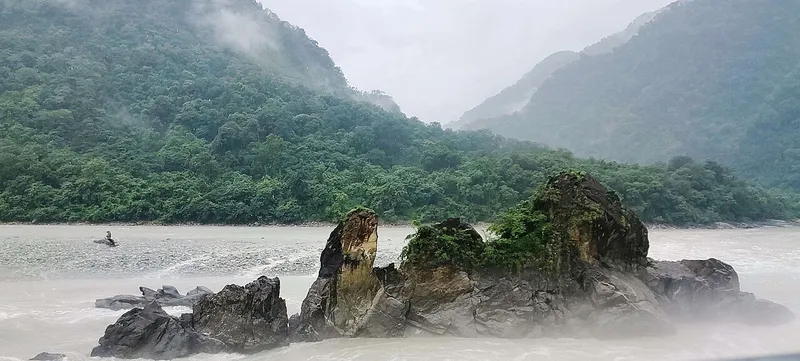
Parashuram Kund
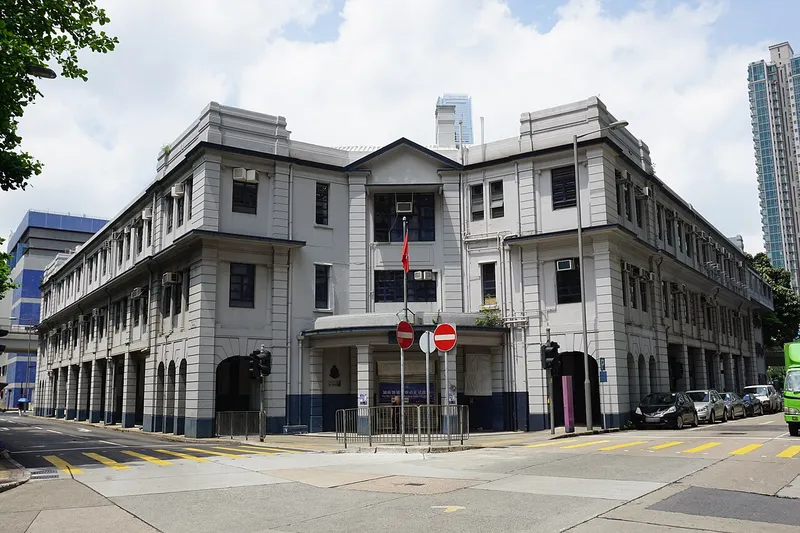
Tezu Airport
Namdapha National Park
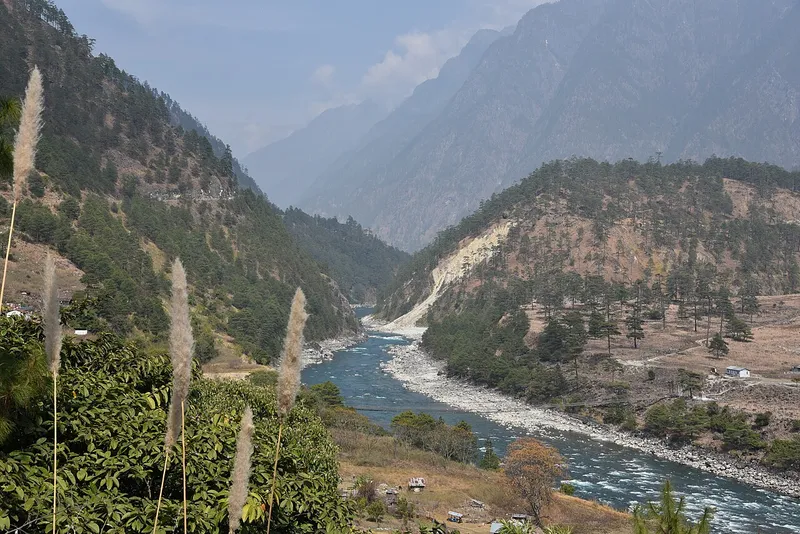
Lohit River
Why a pod hotel works in Lohit
Cold‑climate insulated pods suit the chilly mornings of pilgrimage crowds and army personnel transiting the region, offering affordable, hygienic rest where hotels are scarce
Pilgrims and trekkers visiting Parashuram Kund and nearby natural sites
Best ways to use pods here
- Budget stay for pilgrims at Parashuram Kund (≈400‑500 daily visitors during festival)
- Quick rest for army troops and logistics staff at Tezu cantonment
- Night‑time accommodation for trekkers heading to Namdapha National Park
- Affordable lodging for business travelers using Tezu Airport
- Student housing near Government College, Tezu
Where the demand sits in Lohit
Transit & travel
- •Tezu Airport (TEZ) – domestic flights via Guwahati (≈150 km)
- •NH‑13 (Trans‑Arunachal Highway) passing through Tezu
- •Tezu Railway Station (under proposal)
- •Daily bus services to Dibrugarh and Tinsukia
Healthcare demand
- •Ziro‑Gandhi Hospital, Tezu
- •Primary Health Centres in Tezu and Chowkham
Education & coaching
- •Government College, Tezu
- •St. Thomas College, Tezu
- •Various higher secondary schools in Tezu
Industry & trade
- •Hydro‑electric project sites on Lohit River
- •District Industries Centre (small scale units)
Tourism & pilgrimage
- •Parashuram Kund (annual pilgrimage site)
- •Namdapha National Park (adjacent, attracts wildlife tourists)
- •Tezu Clock Tower and local markets
Profit & ROI projection for Lohit
A starter model based on a minimum 50 pods at 70% occupancy and an indicative ₹800/pod/night. Costs use the same itemised basis as our full ROI calculator — pods, add-ons, 18% GST, transport, fit-out and full monthly running cost.
Important: this is only an ASSUMPTION-based projection — not an accurate quote or a guarantee.
The real cost, occupancy, pricing and profit will change with your exact location, property rent, season, competition and how you run the business. Treat these figures as a planning estimate only. For real numbers, use the full calculator or get a custom quote from BIDUA.
Total investment
₹79.7 lakh
50 pods + add-ons + GST + fit-out
Monthly revenue
₹8.4 lakh
35 of 50 pods filled/night
Monthly net profit
₹3.9 lakh
47% margin after all costs
Payback
~20 mo
59% annual ROI
Break-even occupancy ≈ 27% — you only need this much filled to cover all costs; everything above is profit.
| 50 pods (BIDUA mix) | ₹40,30,000 |
| Add-ons (mattress, bedding, panels, safe lock, table) | ₹16,25,200 |
| GST @ 18% (pods + add-ons) | ₹10,17,936 |
| Transport (warehouse → site) | ₹4,00,000 |
| Fit-out, AC, reception, branding + rent deposit | ₹9,00,000 |
| Total investment | ₹79,73,136 |
| Revenue (50 × 70% × ₹800 × 30) | ₹8,40,000 |
| Fixed costs (rent, staff, power, housekeeping…) | – ₹2,52,000 |
| Variable (OTA + marketing + gateway, 23%) | – ₹1,93,200 |
| Net profit / month | ₹3,94,800 |
| Net profit / year | ₹47,37,600 |
These figures are indicative assumptions for planning purposes Figures are indicative estimates, not guarantees.
Lohit pod-hotel business plan & study
A step-by-step plan to launch a capsule / sleeping-pod hotel in Lohit — from picking the right location to licences, setup, pricing and reaching profitable occupancy.
Demand drivers
12+
transit, hospital, student & tourism footfall points
Space needed (50 pods)
2250–2750 sq ft
single rented floor + reception & washrooms
Break-even occupancy
27%
fill above this and you are in profit
Indicative payback
~20 months
on ₹79.7 lakh all-in setup
1. Pick the right location
Target a floor near Ziro‑Gandhi Hospital, Tezu or NH‑13 (Trans‑Arunachal Highway) passing through Tezu. Best opening use-case: Budget stay for pilgrims at Parashuram Kund (≈400‑500 daily visitors during festival).
2. Plan investment & funding
Budget about ₹79.7 lakh all-in for 50 pods (pods + add-ons + 18% GST + transport + fit-out & deposit). Many operators fund this with a mix of own capital + a small business/MSME loan against projected cash flow.
3. Licences & compliance
Arrange a municipal trade licence, GST registration, fire safety NOC, police/guest verification (where required), and basic building & sanitation approvals before launch.
4. Build & launch
BIDUA shares a free 3D layout, then delivers and helps install the pods. Civil, electrical, AC and reception fit-out typically takes ~30–45 days, so you can open quickly on a leased floor.
5. Pricing & operations
Start at ~₹800/pod/night, and add hourly slots near hospitals for day-rest demand. Run lean with a small reception + housekeeping team; keep pods clean, private and secure to earn repeat stays.
6. Marketing & occupancy
List on OTAs (MakeMyTrip, Booking.com, OYO, Goibibo) + Google Business Profile, and tie up with nearby hospitals, coaching institutes and tour operators to push occupancy past the 27% break-even quickly.
Key risks & how to manage them
Low occupancy in early months. Open with OTA listings + hospital/coaching tie-ups; use hourly pricing to fill day-time.
High rent eating margins. Choose a slightly off-main but accessible floor near Tezu Airport (TEZ) – domestic flights via Guwahati (≈150 km); rent is the biggest lever.
Seasonality / exam & festival peaks. Flex pricing up in peak weeks; offer weekly/monthly pod rentals to students for a stable base.
Cleanliness & safety complaints. Invest in housekeeping, safe locks and CCTV — reputation drives repeat and OTA ratings.
Recommended pod setup for Lohit
30 horizontal singles + 15 vertical singles + 5 double pods on a single floor of ~3500 sq ft

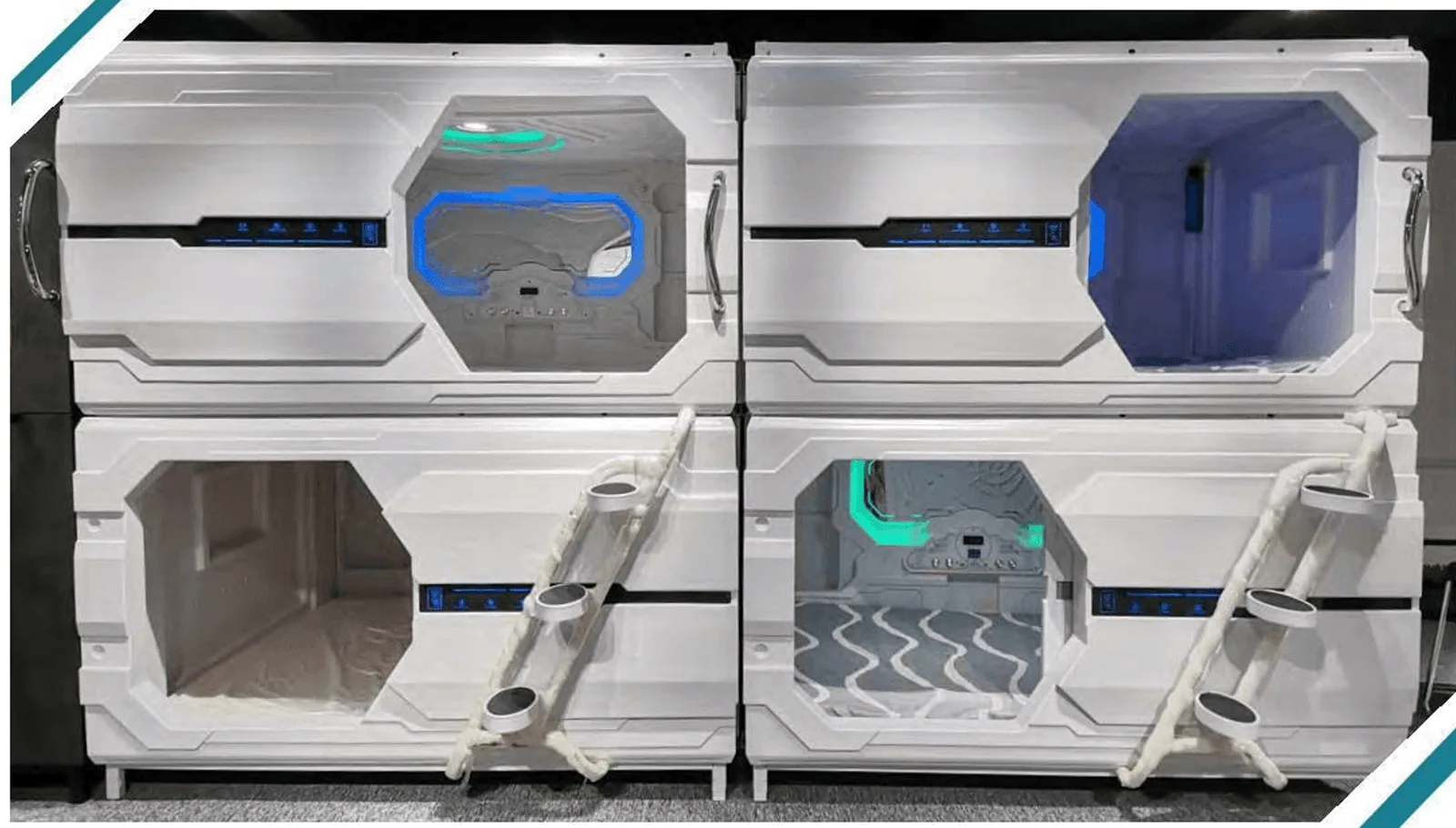
GALAXY Series - Horizontal Single
Standard ABS shell with metal frame featuring TV slot, security sliding door, and ergonomic non-slip ladder. Perfect for hotels, airports, and commercial applications.
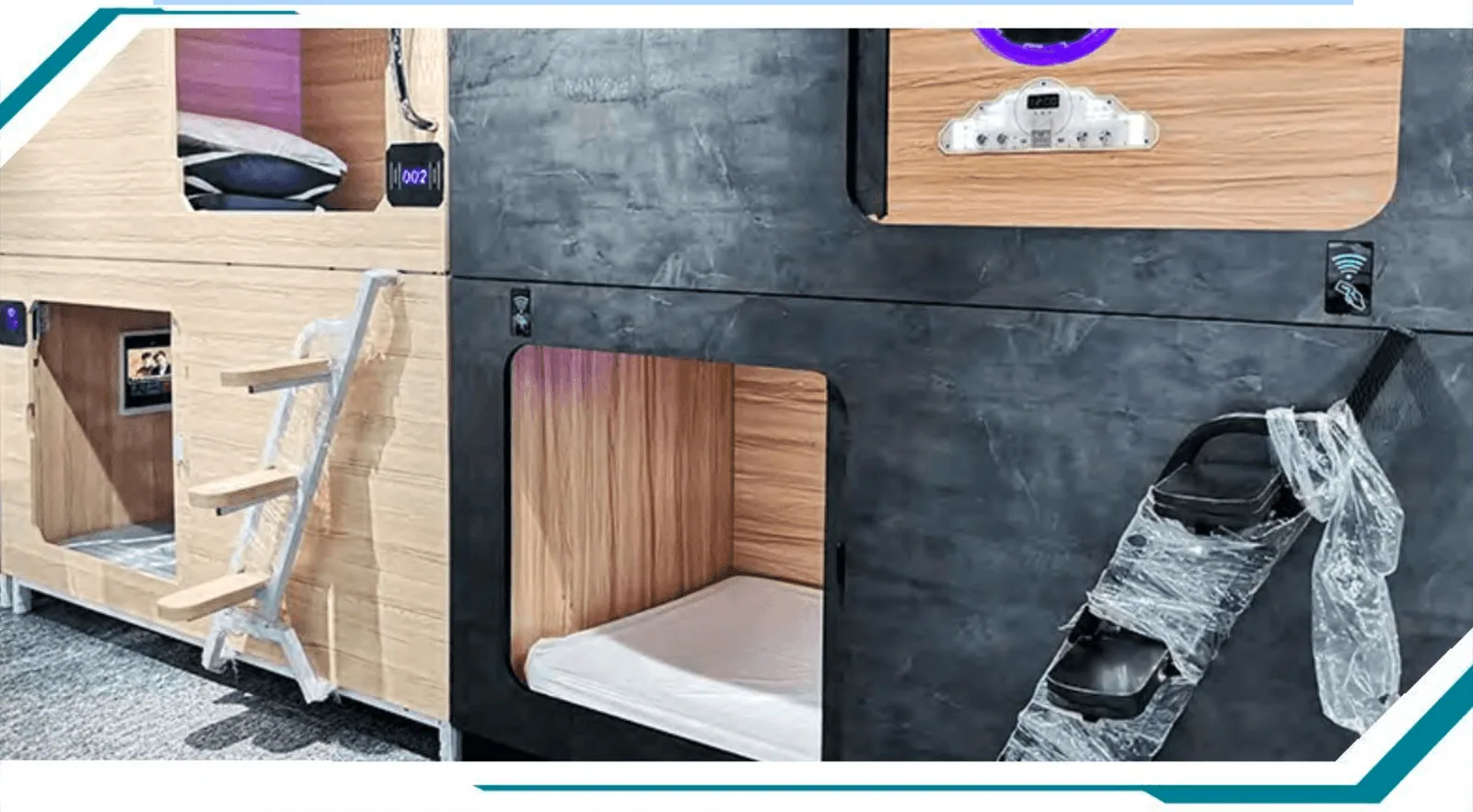
Wooden Series - Horizontal Single
Premium eco multi-layer board construction with metal frame, offering natural wood-grain aesthetics while maintaining all essential capsule bed features.
Market deep-dive
The Lohit pod-hotel opportunity
Lohit district, nestled along the mighty Lohit River, blends rugged mountain scenery with vibrant tribal culture. The district headquarters, Tezu, sits at 185 m elevation and serves as a gateway for pilgrims heading to Parashuram Kund, a sacred bathing site that draws thousands during its annual mela. The river’s hydro‑electric potential and the surrounding forests sustain a modest agrarian economy, while the Indian Army’s presence adds a steady flow of personnel transiting the region. This mix of pilgrimage traffic, defence logistics, and emerging tourism creates a clear demand for affordable, clean accommodation.
Visitors to Parashuram Kund often arrive early in the morning, seeking a place to rest before the ritual bath. With limited hotel options in Tezu, a pod‑hotel can provide insulated, heated capsules that cater to both pilgrims and trekkers heading towards Namdapha National Park. The nearby Tezu Airport, connecting to Guwahati, further fuels short‑stay demand, especially for business travelers and army staff who need quick, comfortable rest between flights and deployments.
The local economy’s reliance on agriculture, handloom crafts, and small‑scale hydro projects means that many workers and students seek budget‑friendly lodging near the district’s educational institutions and industrial sites. A pod‑hotel’s modular design fits well within the existing commercial spaces along NH‑13, offering a low‑maintenance, high‑turnover solution that aligns with the district’s development goals.
By integrating climate‑controlled pods with essential amenities—Wi‑Fi, charging points, and secure lockers—BIDUA Pods can capture the niche market of cold‑climate travelers, pilgrimage crowds, and defence personnel. The projected 70 % occupancy at a modest nightly rate promises a sustainable return, while supporting Lohit’s growing tourism and economic diversification.
Lohit pod hotel — FAQs
What is a sleeping pod?+
A sleeping pod is a compact, self‑contained capsule that provides a private sleeping space, often with basic amenities, ideal for short stays.
Are pods suitable for cold climates?+
Yes, insulated pods with heating are perfect for the chilly mornings of Lohit’s hill stations and pilgrimage sites.
Can I book a pod for a few hours?+
Many pod hotels offer hourly rates, catering to travelers needing a quick nap between flights or train journeys.
Do pods have Wi‑Fi and charging points?+
All pods come with free Wi‑Fi and USB charging ports for your devices.
Are pods safe for families?+
Pods are secure with individual locks; families can book adjacent pods for added privacy.
How do pods differ from traditional hotels?+
Pods are space‑efficient, cost‑effective, and provide a minimalist stay, unlike full‑service hotel rooms.
Start your Lohit pod hotel with BIDUA
Sign up to design your space in 3D, build a presentation, and get a quotation + ROI from one dashboard — or talk to our team for a custom Lohit plan.