Tier 3 pod-hotel market · Arunachal Pradesh
Welcome to Pakke-Kessang District
The Nyishi tribe is predominant, known for their rich cultural heritage and festivals.
Population & catchment
Pakke-Kessang ≈ 21,577 people (2011 census 15,358; ~40% decadal growth) — among the smallest districts in Arunachal Pradesh.
Urban pull
4.55% urban population; HQ Lemmi is the largest settlement.
Economic base
The economy is driven by tourism focused on the Pakke Tiger Reserve and hornbill conservation, alongside agriculture and local crafts.
Around Pakke-Kessang
Key landmarks and footfall hubs that drive short-stay demand in Pakke-Kessang.
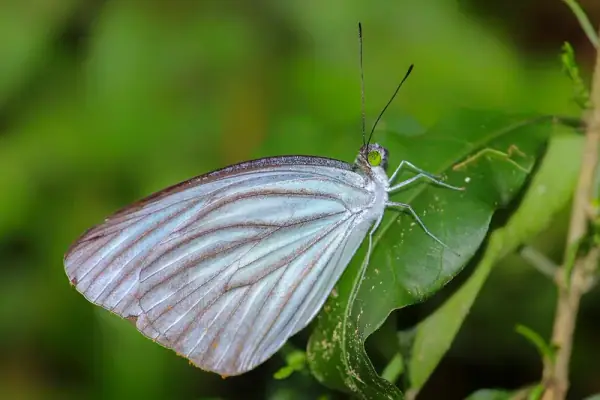
Pakke Tiger Reserve
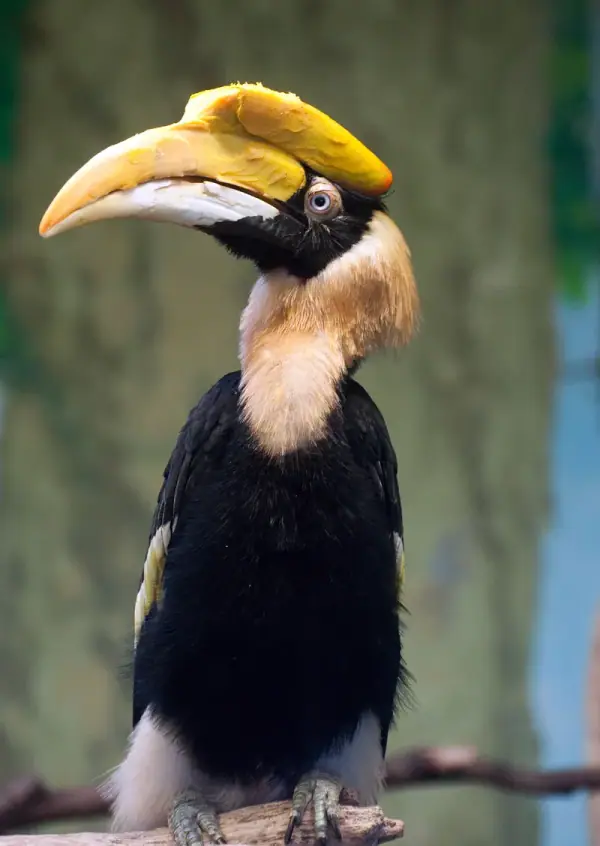
Hornbill
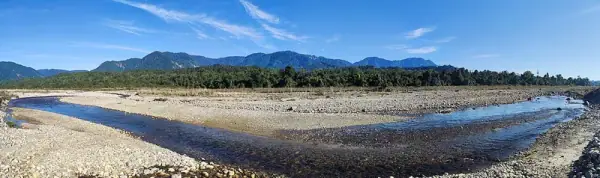
Seijosa
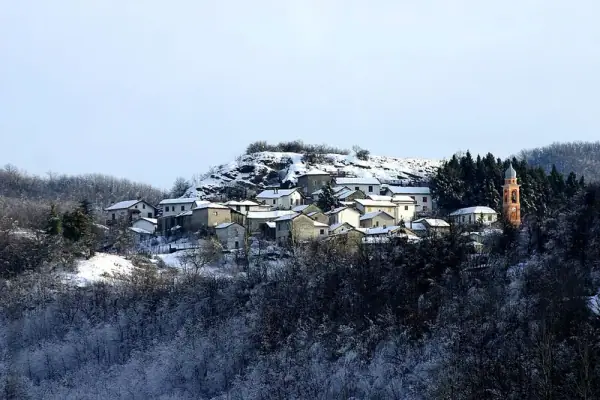
Lemmi
Why a pod hotel works in Pakke-Kessang
Pod hotels can capitalize on the surge of eco-tourism and wildlife enthusiasts visiting Pakke Tiger Reserve, offering affordable, insulated accommodations for diverse seasonal visitors.
Pakke-Kessang is accessible via NH13, with Seijosa as the main transit hub for tourists heading to the Pakke Tiger Reserve.
Best ways to use pods here
- Budget stay for wildlife enthusiasts at Pakke Tiger Reserve (862 km², rich biodiversity)
- Affordable accommodation for hornbill conservation volunteers at Seijosa
- Short-term stays for tourists visiting local festivals in Lemmi
- Capsule hotel for eco-tourists exploring the Pakke River
- Transit pods for visitors to Nameri National Park nearby.
Where the demand sits in Pakke-Kessang
Transit & travel
- •Seijosa (gateway town)
- •NH13 / Trans-Arunachal Highway
- •Tezpur Airport (64 km)
- •Daily bus stand at Lemmi
- •Pakke-Kessang railway station (proposed)
Healthcare demand
- •Seijosa Community Health Centre
- •Lemmi Primary Health Centre
- •Pakke-Kessang District Hospital
- •Private clinics in Lemmi
- •Ayushman Bharat centres
Education & coaching
- •Government Higher Secondary School, Lemmi
- •Seijosa College of Arts and Science
- •Nyishi Tribal School, Seijosa
- •Pakke-Kessang Technical Institute
- •Local Anganwadi centres
Industry & trade
- •Local weaving units
- •Handicraft production units
- •Small-scale agriculture processing
- •Eco-tourism lodges
- •Forest-based industries
Tourism & pilgrimage
- •Pakke Tiger Reserve
- •Seijosa picnic spots
- •Lemmi tribal dance festivals
- •Pakke River fishing spots
- •Pakke-Kessang Hill Station
Profit & ROI projection for Pakke-Kessang
A starter model based on a minimum 50 pods at 70% occupancy and an indicative ₹800/pod/night. Costs use the same itemised basis as our full ROI calculator — pods, add-ons, 18% GST, transport, fit-out and full monthly running cost.
Important: this is only an ASSUMPTION-based projection — not an accurate quote or a guarantee.
The real cost, occupancy, pricing and profit will change with your exact location, property rent, season, competition and how you run the business. Treat these figures as a planning estimate only. For real numbers, use the full calculator or get a custom quote from BIDUA.
Total investment
₹80.7 lakh
50 pods + add-ons + GST + fit-out
Monthly revenue
₹8.4 lakh
35 of 50 pods filled/night
Monthly net profit
₹3.8 lakh
45% margin after all costs
Payback
~21 mo
56% annual ROI
Break-even occupancy ≈ 29% — you only need this much filled to cover all costs; everything above is profit.
| 50 pods (BIDUA mix) | ₹40,30,000 |
| Add-ons (mattress, bedding, panels, safe lock, table) | ₹16,25,200 |
| GST @ 18% (pods + add-ons) | ₹10,17,936 |
| Transport (warehouse → site) | ₹4,00,000 |
| Fit-out, AC, reception, branding + rent deposit | ₹10,00,000 |
| Total investment | ₹80,73,136 |
| Revenue (50 × 70% × ₹800 × 30) | ₹8,40,000 |
| Fixed costs (rent, staff, power, housekeeping…) | – ₹2,67,000 |
| Variable (OTA + marketing + gateway, 23%) | – ₹1,93,200 |
| Net profit / month | ₹3,79,800 |
| Net profit / year | ₹45,57,600 |
These are indicative assumptions and not guarantees. Figures are indicative estimates, not guarantees.
Pakke-Kessang pod-hotel business plan & study
A step-by-step plan to launch a capsule / sleeping-pod hotel in Pakke-Kessang — from picking the right location to licences, setup, pricing and reaching profitable occupancy.
Demand drivers
20+
transit, hospital, student & tourism footfall points
Space needed (50 pods)
2250–2750 sq ft
single rented floor + reception & washrooms
Break-even occupancy
29%
fill above this and you are in profit
Indicative payback
~21 months
on ₹80.7 lakh all-in setup
1. Pick the right location
Target a floor near Seijosa Community Health Centre or NH13 / Trans-Arunachal Highway. Best opening use-case: Budget stay for wildlife enthusiasts at Pakke Tiger Reserve (862 km², rich biodiversity).
2. Plan investment & funding
Budget about ₹80.7 lakh all-in for 50 pods (pods + add-ons + 18% GST + transport + fit-out & deposit). Many operators fund this with a mix of own capital + a small business/MSME loan against projected cash flow.
3. Licences & compliance
Arrange a municipal trade licence, GST registration, fire safety NOC, police/guest verification (where required), and basic building & sanitation approvals before launch.
4. Build & launch
BIDUA shares a free 3D layout, then delivers and helps install the pods. Civil, electrical, AC and reception fit-out typically takes ~30–45 days, so you can open quickly on a leased floor.
5. Pricing & operations
Start at ~₹800/pod/night, and add hourly slots near hospitals for day-rest demand. Run lean with a small reception + housekeeping team; keep pods clean, private and secure to earn repeat stays.
6. Marketing & occupancy
List on OTAs (MakeMyTrip, Booking.com, OYO, Goibibo) + Google Business Profile, and tie up with nearby hospitals, coaching institutes and tour operators to push occupancy past the 29% break-even quickly.
Key risks & how to manage them
Low occupancy in early months. Open with OTA listings + hospital/coaching tie-ups; use hourly pricing to fill day-time.
High rent eating margins. Choose a slightly off-main but accessible floor near Seijosa (gateway town); rent is the biggest lever.
Seasonality / exam & festival peaks. Flex pricing up in peak weeks; offer weekly/monthly pod rentals to students for a stable base.
Cleanliness & safety complaints. Invest in housekeeping, safe locks and CCTV — reputation drives repeat and OTA ratings.
Recommended pod setup for Pakke-Kessang
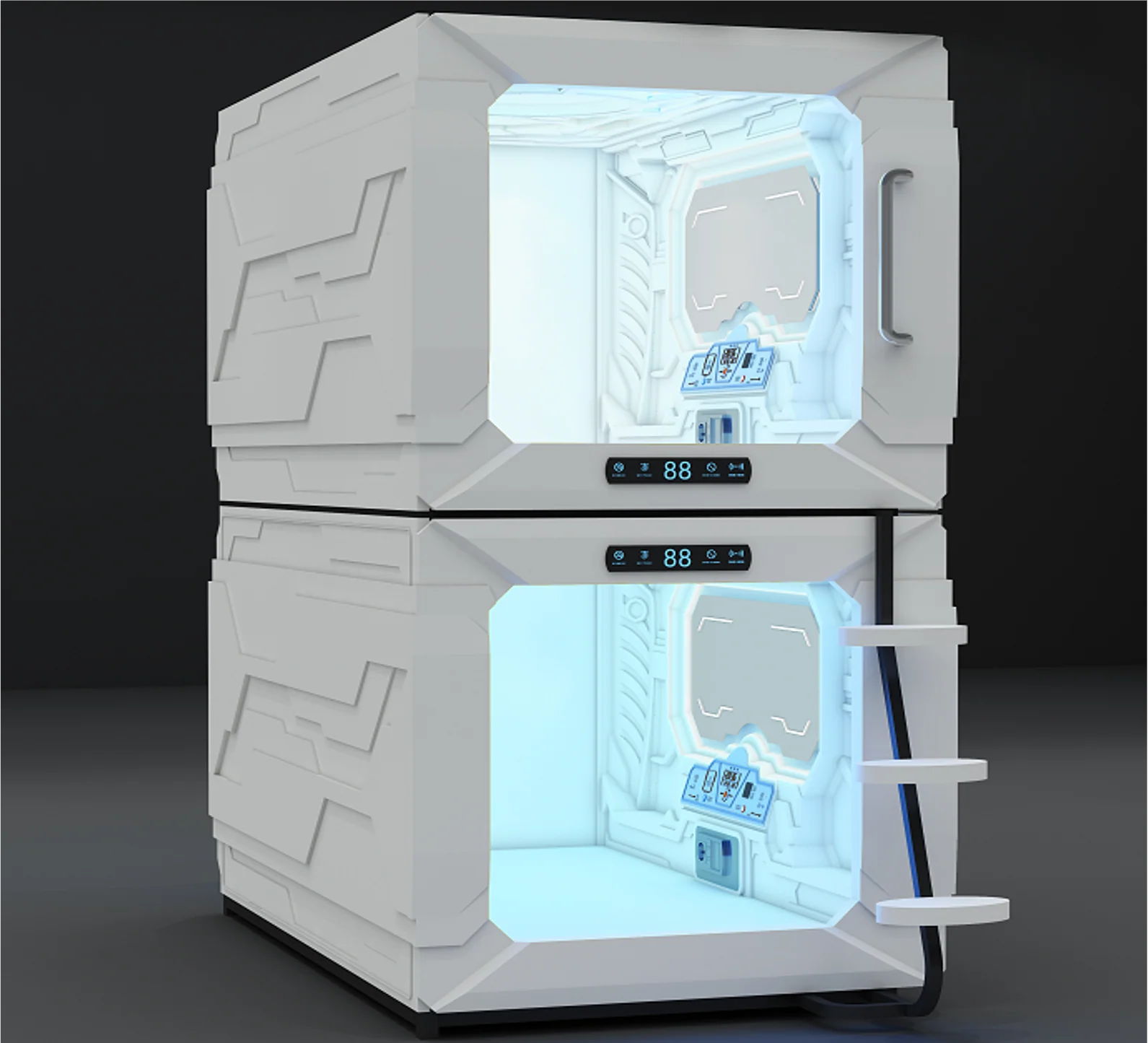
30 horizontal singles + 15 vertical singles + 5 double pods on a single floor of ~3500 sqft.

GALAXY Series - Horizontal Single
Standard ABS shell with metal frame featuring TV slot, security sliding door, and ergonomic non-slip ladder. Perfect for hotels, airports, and commercial applications.
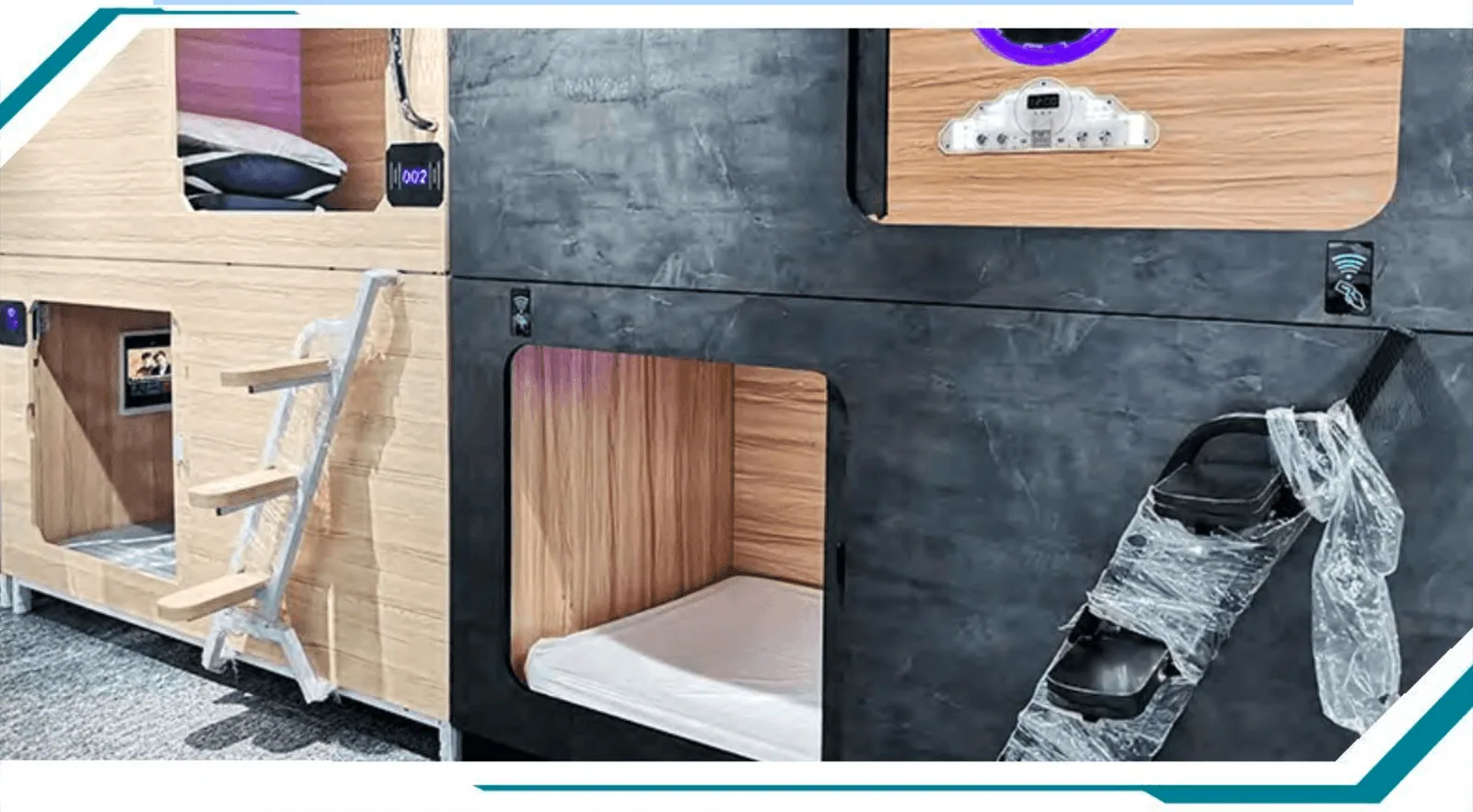
Wooden Series - Horizontal Single
Premium eco multi-layer board construction with metal frame, offering natural wood-grain aesthetics while maintaining all essential capsule bed features.
Market deep-dive
The Pakke-Kessang pod-hotel opportunity
Pakke-Kessang district, nestled in Arunachal Pradesh, is a hidden gem known for its rich biodiversity and cultural heritage. The district is home to the Pakke Tiger Reserve, a sanctuary for various wildlife species, including the majestic hornbill. The reserve attracts eco-tourists and wildlife enthusiasts, making it a prime location for budget accommodations. The Nyishi tribe, the predominant community here, celebrates vibrant festivals that showcase their unique traditions, further enriching the district's cultural tapestry.
Lemmi, the district headquarters, serves as a hub for visitors exploring the Pakke Tiger Reserve and the surrounding natural beauty. The town is known for its warm hospitality and local cuisine, offering travelers a taste of the region's culinary delights. Seijosa, a nearby town, is famous for its scenic picnic spots along the Pakke River, making it a popular destination for families and nature lovers alike.
The economy of Pakke-Kessang is primarily driven by tourism, with initiatives like the Hornbill Nest Adoption Programme promoting conservation efforts. Local handicrafts and agricultural products also contribute to the economy, providing livelihoods for many residents. The district's strategic location along the Trans-Arunachal Highway enhances its accessibility, attracting more visitors each year.
With the growing interest in eco-tourism, there is a significant opportunity for pod hotels in Pakke-Kessang. These accommodations can cater to the influx of tourists visiting the Pakke Tiger Reserve, offering affordable and comfortable lodging options. The unique concept of sleeping pods aligns perfectly with the needs of modern travelers seeking convenience and affordability.
Pakke-Kessang pod hotel — FAQs
What are sleeping pods?+
Sleeping pods, also known as capsule hotels, provide compact, private sleeping spaces for travelers.
Where can I find a capsule hotel in Pakke-Kessang?+
You can find capsule hotels in Seijosa and near Pakke Tiger Reserve.
Are there budget hourly hotels in Lemmi?+
Yes, there are budget hourly hotels and capsule accommodations available in Lemmi.
What is the best time to visit Pakke-Kessang?+
The best time to visit is during the winter months, from October to March, for pleasant weather.
Can I book a pod for a short stay?+
Yes, many pod hotels offer flexible booking options for short stays.
What amenities do sleeping pods offer?+
Sleeping pods typically include basic amenities like a bed, charging ports, and privacy curtains.
Start your Pakke-Kessang pod hotel with BIDUA
Sign up to design your space in 3D, build a presentation, and get a quotation + ROI from one dashboard — or talk to our team for a custom Pakke-Kessang plan.