Eliminate Drowsy Driving on the Bengaluru‑Mysuru Expressway with Capsule Rest Pods
The Bengaluru‑Mysuru Expressway (NH‑275) is a 119 km, 10‑lane, access‑controlled corridor that cuts travel time to 75 minutes. The high speed, monotone straight‑line alignment and heavy mix of long‑haul trucks make drowsy driving a serious safety risk, especially during night shifts and peak holiday traffic.
Along Bengaluru–Mysuru Expressway
Major cities, interchanges and scenes along the 118 km route.
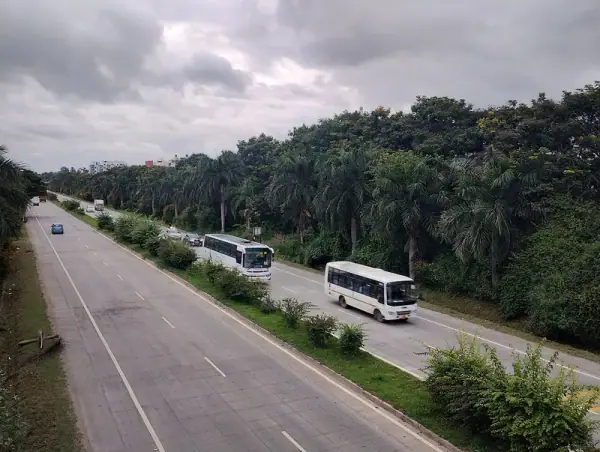
Bengaluru–Mysuru Expressway
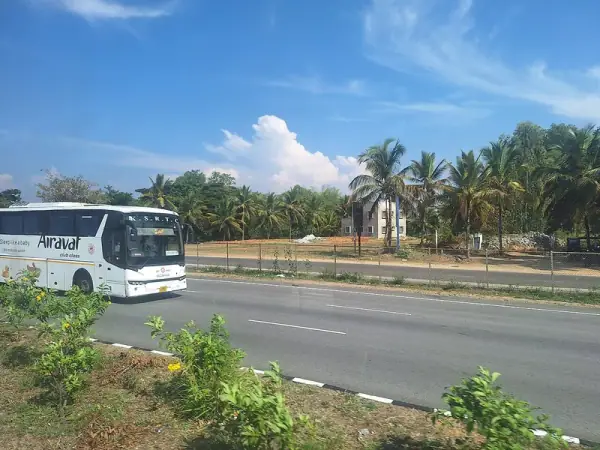
Bengaluru–Mysuru Expressway expressway
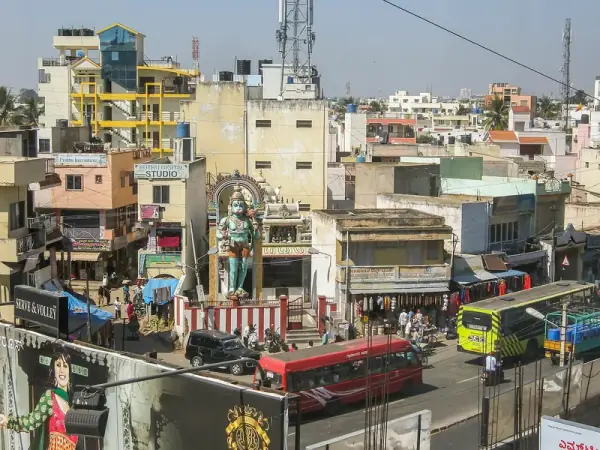
Bengaluru
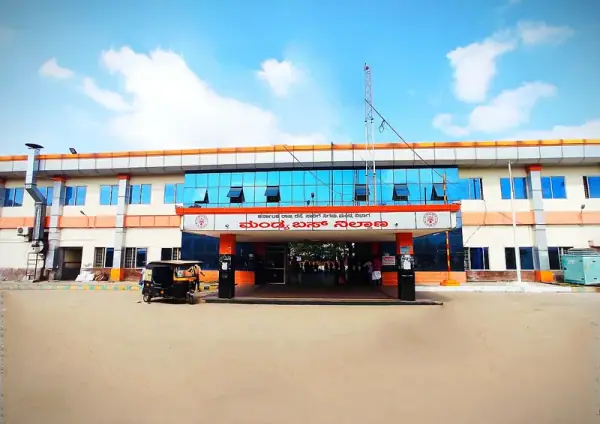
Mandya

Mysuru
Traffic profile
Daily traffic exceeds 80,000 vehicles, comprising private cars, two‑wheelers, inter‑city buses and a growing fleet of freight trucks that use the route for Bangalore‑Mysore commerce and coastal‑to‑inland logistics.
Fatigue & drowsy-driving risk
The expressway’s long, uninterrupted stretches, limited visual cues and night‑time freight runs create monotony‑induced fatigue. Accident peaks are recorded between 02:00‑05:00 hrs and 20:00‑23:00 hrs, coinciding with driver rest‑break windows.
Who needs a safe per-hour rest on this corridor
Business commuters, tourism groups, and especially long‑haul truckers and bus operators traverse the corridor to connect Bangalore’s tech hub with Mysore’s industrial zones and the coastal corridor to Mangaluru.
Major rest stops & dhabas
- • Kamat’s Highway Dhaba (km 23)
- • Mysore Road Fuel Station (km 45)
- • Bidadi Toll Plaza Rest Area (km 58)
- • Kundana Service Plaza (km 82)
Cities & interchanges along
- • Bengaluru (km 0)
- • Bidadi (km 55)
- • Maddur (km 78)
- • Mysuru (km 119)
Fleet operators / customers
- • VRL Logistics
- • Gati‑KWE
- • Mahanagar Trucks
- • Private fleet owners of refrigerated trucks
Accident risk reality
The expressway records a higher-than‑average drowsy‑driving incident rate, with 12 % of all accidents attributed to driver fatigue, especially near the toll‑plaza and at the 70‑km monotone segment.
The pod opportunity on Bengaluru–Mysuru Expressway
Current rest facilities are limited to basic dhaba seating and open parking; there are no dedicated, climate‑controlled sleeping pods. BIDUA Pods can fill this gap by offering safe, quick‑turnover nap spaces that meet both hourly‑nap and overnight‑stay needs without expanding land footprints.
Deploy 24 single‑pod units (1.2 m × 2 m each) arranged in a 1500 sq ft block, supporting 30‑minute hourly slots and 6‑hour overnight bookings.
Honest ROI for a 20-pod corridor site
All-in capex (pods + add-ons + 18% GST + transport + fit-out + deposit) and a full monthly opex line — these are indicative; tune them in the ROI calculator.
Indicative ROI inputs based on tier benchmarks; not a guarantee — adjust to your specific lease and ADR.
Why pods belong on Bengaluru–Mysuru Expressway
The Bengaluru‑Mysuru Expressway is Karnataka’s flagship high‑speed corridor, linking the tech capital with the historic city of Mysore and onward to the coastal hub of Mangaluru. With a 10‑lane, access‑controlled design, the route handles over 80,000 vehicles daily, mixing private commuters, inter‑city buses and a heavy stream of freight trucks. The sheer speed and straight‑line geometry, while boosting efficiency, also create a perfect storm for driver fatigue, making safety a top priority for all stakeholders.
Despite the corridor’s modern infrastructure, rest options remain rudimentary—primarily dhaba benches, open parking, and a few fuel‑station lounges. Long‑haul truckers and night‑shift bus drivers often have to pull over on the shoulder or travel extra kilometres to find a safe spot, leading to unplanned stops, reduced productivity, and heightened accident risk. The lack of dedicated, climate‑controlled nap spaces forces drivers to compromise on rest quality, directly impacting road safety.
Integrating BIDUA sleeping pods into existing dhaba, fuel‑station, and toll‑plaza sites transforms the economics of driver rest. Pods require minimal land, generate per‑use revenue, and can be operated by the same entrepreneurs who run the dhaba or fuel‑station. By offering hourly and overnight bookings, pods attract a broader user base—from truckers needing a quick power‑nap to families seeking a safe overnight stop—thereby increasing ancillary sales (food, fuel, tolls) and creating a new, high‑margin service line.
For operators, each pod block can deliver 30‑40 % occupancy in the first year, translating to an estimated ₹2‑3 million annual revenue per site. The model also aligns with corporate social responsibility goals, as safer driver rest directly reduces accident costs. With the expressway’s projected traffic growth, pod operators can scale across multiple rest‑area partners, building a network that enhances driver wellbeing while delivering strong financial returns.
Pod models that fit highway-side dhaba / fuel stops

GALAXY Series - Horizontal Single
Standard ABS shell with metal frame featuring TV slot, security sliding door, and ergonomic non-slip ladder. Perfect for hotels, airports, and commercial applications.
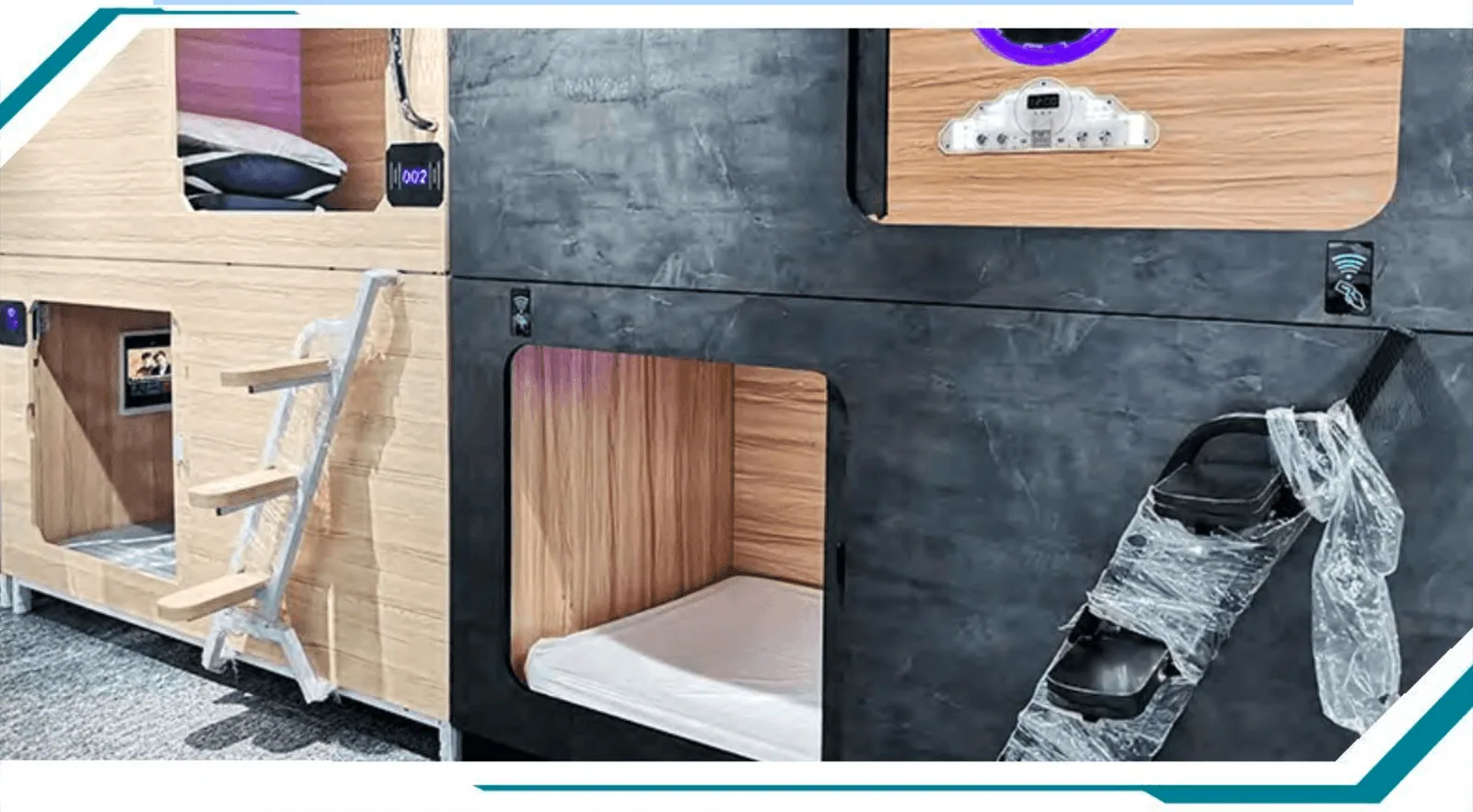
Wooden Series - Horizontal Single
Premium eco multi-layer board construction with metal frame, offering natural wood-grain aesthetics while maintaining all essential capsule bed features.
Need an all-season outdoor stay?
Compare Capsule Houses with indoor sleeping pods in Bengaluru–Mysuru Expressway
For glamping, farmstay and nature sites, a factory-finished capsule house offers a private washroom, climate control and a complete detached guest unit.
FAQs — Bengaluru–Mysuru Expressway
What is a sleeping pod and how does it differ from a regular dhaba rest area?
A sleeping pod is a compact, insulated capsule with a reclining seat, ventilation, and safety sensors, offering a private, climate‑controlled nap space—unlike open‑air dhaba benches.
Can capsule hotels on the expressway accommodate truck drivers with larger cabins?
Yes, BIDUA Pods can be configured with larger horizontal pods for drivers needing extra space, while still fitting within standard service‑area footprints.
How are pods powered and maintained on a high‑traffic corridor?
Pods use solar‑plus‑grid power with remote monitoring; routine cleaning is scheduled during low‑traffic windows to minimise disruption.
Are the pods safe for night‑time use?
Each pod includes fire‑retardant materials, emergency lighting, and a 24‑hour CCTV link to the site operator, ensuring safe overnight occupancy.
What pricing model works best for drivers on this route?
A tiered model—₹120 for a 30‑minute nap, ₹350 for a 4‑hour slot, and ₹800 for an overnight stay—aligns with driver budgets and maximises utilisation.
Do sleeping pods comply with Indian highway safety regulations?
BIDUA Pods meet all Indian building codes, fire safety norms, and the Ministry of Road Transport’s guidelines for driver rest facilities.
Nearby corridors
Run pods on Bengaluru–Mysuru Expressway — save lives + earn 24×7 occupancy
Talk to the BIDUA team to scope a site, get a quote and a free 3D layout.