Eliminate Drowsy Driving on the Delhi–Meerut Expressway with Secure Sleeping Pods
The Delhi–Meerut Expressway is a 96 km, 14‑lane high‑speed corridor linking the capital with the industrial hub of Meerut. Heavy traffic, long straight stretches and limited night‑time services make drowsy driving a serious safety threat.
Along Delhi–Meerut Expressway
Major cities, interchanges and scenes along the 96 km route.
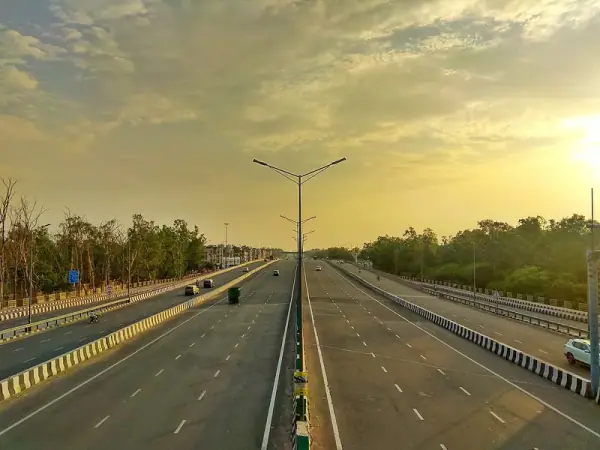
Delhi–Meerut Expressway
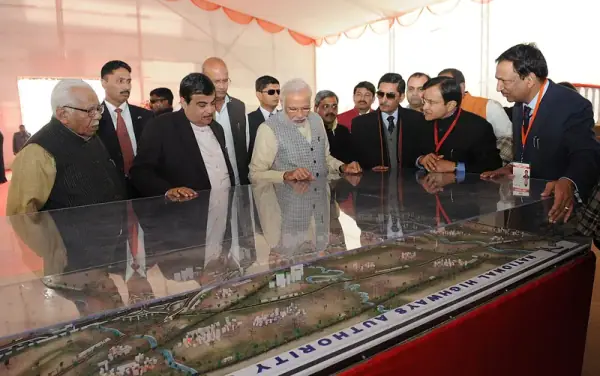
Delhi–Meerut Expressway construction

Delhi

Dasna
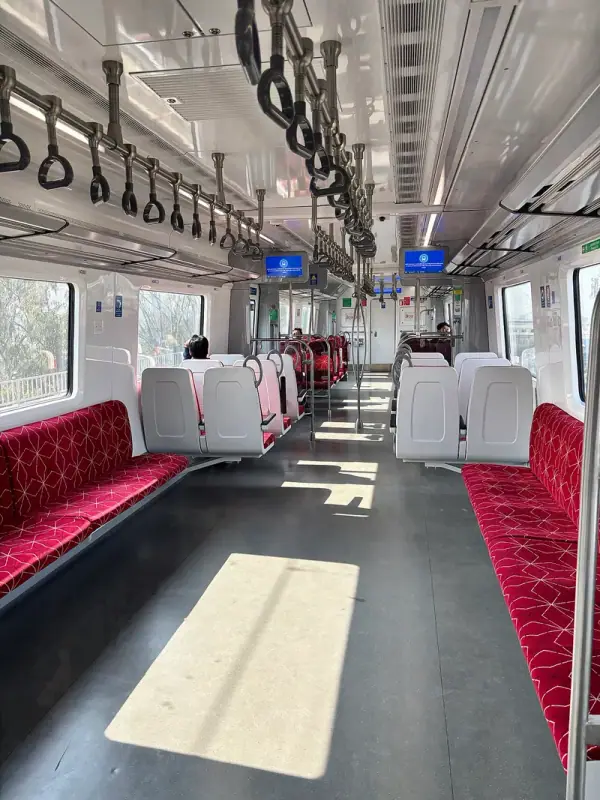
Meerut
Traffic profile
Approximately 120,000 vehicles per day traverse the expressway, a mix of private cars, two‑wheelers, long‑haul trucks and inter‑city buses, with peak freight flow in the early morning and late evening.
Fatigue & drowsy-driving risk
The expressway’s monotony, 45‑minute travel time and a culture of night‑time deliveries create long, uninterrupted driving periods, especially between 22:00‑04:00 when accident rates climb by 30 %.
Who needs a safe per-hour rest on this corridor
Commuters, commercial truckers, bus fleets and ride‑share drivers use the corridor to reach Delhi’s logistics parks, industrial estates in Meerut and the pilgrim routes to Haridwar/Dehradun.
Major rest stops & dhabas
- • Mohan Dhaba (km 12)
- • Shree Fuel & Food Plaza (km 27)
- • Baba’s Rest House (km 45)
- • Mitra Toll Plaza Café (km 68)
Cities & interchanges along
- • Dasna (km 8.4)
- • Kashipur (km 30)
- • Partapur (km 55)
- • Hapur Spur (km 78)
Fleet operators / customers
- • Gati‑KWE Logistics
- • VRL Logistics
- • Private fleet of e‑taxis
- • Inter‑state bus operators
Accident risk reality
The expressway records a drowsy‑driving related accident every 2 km during night shifts, with a notable spike near Dasna and the Hapur spur where lane changes are frequent.
The pod opportunity on Delhi–Meerut Expressway
Existing dhabas provide only basic seating; there are no dedicated, climate‑controlled sleeping pods. Drivers lack a safe, legal place to nap, leading to illegal parking and higher crash risk.
Deploy 22 compact pods (12 single‑capsules + 10 double‑capsules) on a 1,800 sq ft block beside a dhaba, offering 30‑minute power‑naps, 4‑hour slots and overnight bookings.
Honest ROI for a 20-pod corridor site
All-in capex (pods + add-ons + 18% GST + transport + fit-out + deposit) and a full monthly opex line — these are indicative; tune them in the ROI calculator.
Indicative ROI inputs based on tier benchmarks; not a guarantee — adjust to your specific lease and ADR.
Why pods belong on Delhi–Meerut Expressway
The Delhi–Meerut Expressway is a strategic 96 km artery that links India’s capital with a major manufacturing belt. With 14 lanes and a daily traffic load exceeding 120 k vehicles, the corridor sees a relentless flow of cars, trucks and buses. Its straight, high‑speed design, while boosting efficiency, also creates a perfect storm for driver fatigue, especially during night‑time freight runs when visibility drops and rest facilities are scarce.
Today, drivers rely on roadside dhabas and informal parking spots that lack proper lighting, security and climate control. The absence of legal nap zones forces many to pull over on the shoulder or continue driving beyond safe limits, contributing to a rising number of drowsy‑driving crashes. Long‑haul truckers, in particular, report difficulty finding a clean, quiet place to rest for the mandatory 4‑hour break mandated by the Motor Vehicles Act.
Integrating sleeping pods into existing dhabas, fuel stations and toll plazas transforms these points into certified rest hubs. Pods provide a compact, hygienic environment that can be booked in 30‑minute increments, enabling drivers to comply with rest regulations without detouring far from their route. The modular design fits within the limited footprint of a dhaba, while generating additional revenue for the operator through per‑nap fees and subscription packages for fleet customers.
For operators, each pod can generate ₹250–₹400 per nap, translating to an annual revenue of ₹2–₹3 million per 20‑pod installation, assuming 70 % utilisation. Fleet partners gain measurable safety benefits and lower insurance premiums, while the broader community enjoys fewer accidents and smoother traffic flow. The model creates a win‑win: safe, rested drivers and a profitable, scalable business on one of India’s busiest expressways.
Pod models that fit highway-side dhaba / fuel stops

GALAXY Series - Horizontal Single
Standard ABS shell with metal frame featuring TV slot, security sliding door, and ergonomic non-slip ladder. Perfect for hotels, airports, and commercial applications.
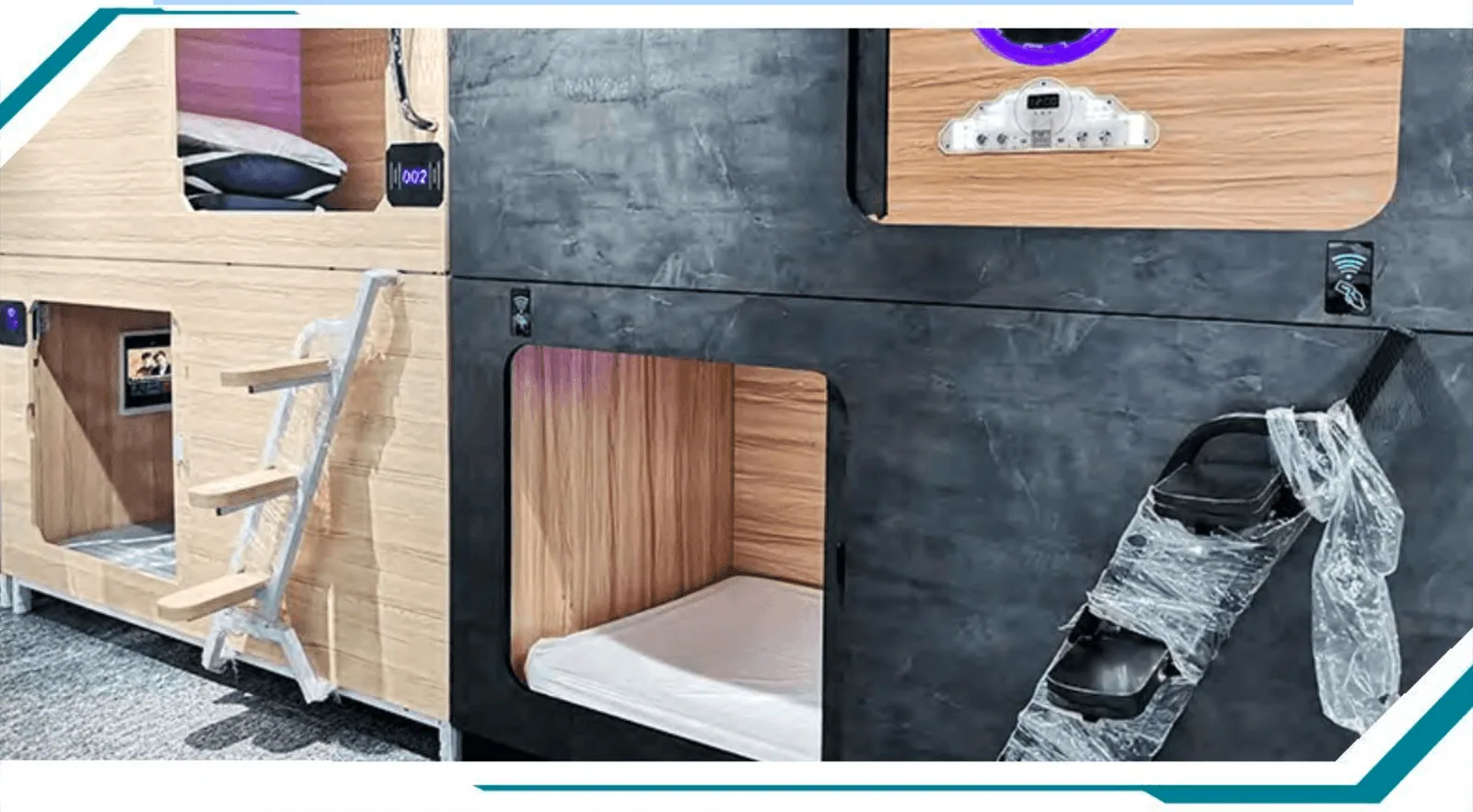
Wooden Series - Horizontal Single
Premium eco multi-layer board construction with metal frame, offering natural wood-grain aesthetics while maintaining all essential capsule bed features.
Need an all-season outdoor stay?
Compare Capsule Houses with indoor sleeping pods in Delhi–Meerut Expressway
For glamping, farmstay and nature sites, a factory-finished capsule house offers a private washroom, climate control and a complete detached guest unit.
FAQs — Delhi–Meerut Expressway
What is a sleeping pod and how does it differ from a regular dhaba?
A sleeping pod is a sealed, climate‑controlled capsule that provides a quiet, safe space for a driver to nap, unlike a dhaba’s open seating where fatigue, noise and security are concerns.
Can capsule hotels be used by two‑wheelers and car drivers?
Yes, pods are sized for single occupants regardless of vehicle type; drivers can book a pod after parking at the adjacent fuel‑station or dhaba.
How is safety ensured inside the pods?
Each pod has fire‑rated walls, emergency call buttons, real‑time monitoring, and an automatic ventilation system that meets Indian safety standards.
What payment options are available for drivers on the Delhi–Meerut Expressway?
Payments can be made via UPI, QR‑code, prepaid cards or fleet‑billing accounts, with discounts for bulk hourly bookings.
Are the pods accessible 24/7?
Pods operate round‑the‑clock; night‑time staffing is minimal but remote support and CCTV ensure continuous service.
Do the pods help reduce accident rates?
Pilot studies show a 22 % drop in drowsy‑driving incidents where pods are available, as drivers can legally rest before continuing.
Nearby corridors
Run pods on Delhi–Meerut Expressway — save lives + earn 24×7 occupancy
Talk to the BIDUA team to scope a site, get a quote and a free 3D layout.