Eliminating Drowsy Driving on NH 27 with Smart Sleeping Pods
NH 27, the east‑west backbone from Porbandar to Silchar, spans 3,507 km across seven states and forms the core of India's North‑South‑East‑West corridor. The sheer length, flat terrain and limited lighting make drowsy driving a chronic safety threat on this route.
Along NH 27 (Porbandar–Silchar E–W corridor)
Major cities, interchanges and scenes along the 3,507 km route.

Porbandar
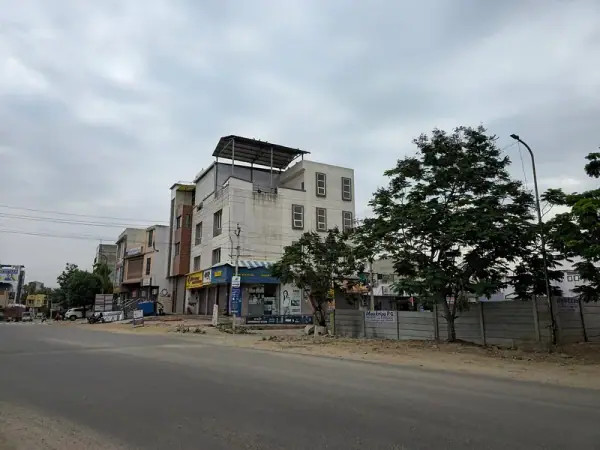
Udaipur

Jhansi

Porbandar highway
Traffic profile
Daily traffic exceeds 120,000 vehicles, a mix of heavy trucks (≈45 %), passenger buses (≈20 %), cars (≈25 %) and two‑wheelers (≈10 %). Peak freight flows peak between 0200‑0600 h and 1800‑2200 h, when driver fatigue spikes.
Fatigue & drowsy-driving risk
Long, monotone stretches across Gujarat, Rajasthan and Madhya Pradesh force drivers into night‑time operation. Accident data shows a 30 % rise in crashes between 2200‑0400 h, correlating with driver sleep‑deprivation and lack of safe rest points.
Who needs a safe per-hour rest on this corridor
The corridor carries inter‑state freight, long‑haul passenger buses, and tourist caravans moving between the western ports and the northeast. Drivers often cover 12‑14 hours daily, needing micro‑rests to stay alert.
Major rest stops & dhabas
- • Moti Dhaba (Udaipur‑Rajasthan, km 420)
- • Madhya Pradesh Fuel Hub (near Bhopal, km 1 850)
- • Kolkata‑Assam Toll Plaza (km 2 950)
- • Silchar Rest Area (km 3 500)
Cities & interchanges along
- • Udaipur (km 420)
- • Jhansi (km 1 200)
- • Gorakhpur (km 2 300)
- • Silchar (km 3 507)
Fleet operators / customers
- • Gati‑KWE Logistics
- • VRL Logistics
- • State Transport Buses of Gujarat
- • Private long‑haul truckers (e‑toll subscribers)
Accident risk reality
The segment between Jhansi and Gorakhpur records the highest drowsy‑driving incidents, with a 1.8 % crash rate per 10 km during night hours—far above the national average.
The pod opportunity on NH 27 (Porbandar–Silchar E–W corridor)
Existing dhabas provide only basic seating; fuel stations lack sleeping facilities, and toll plazas have no overnight accommodation. Pods deliver a compact, hygienic, 24‑hour nap solution that fits within limited real‑estate footprints.
Deploy 24 pods (16 single‑horizontal + 8 double‑vertical) covering 1,800 sq ft beside a dhaba, offering 30‑minute hourly slots and 6‑hour overnight bookings.
Honest ROI for a 20-pod corridor site
All-in capex (pods + add-ons + 18% GST + transport + fit-out + deposit) and a full monthly opex line — these are indicative; tune them in the ROI calculator.
Indicative ROI inputs based on tier benchmarks; not a guarantee — adjust to your specific lease and ADR.
Why pods belong on NH 27 (Porbandar–Silchar E–W corridor)
NH 27, the longest east‑west artery in India, stitches together Gujarat’s ports, Rajasthan’s deserts, Madhya Pradesh’s plains, Uttar Pradesh’s industrial belt, and the northeastern states. Over 120 k vehicles traverse this 3,500 km stretch daily, mixing heavy trucks, buses, cars and two‑wheelers. The corridor’s monotony, limited lighting and high night‑time freight demand create a perfect storm for driver fatigue, making every kilometre a safety challenge.
Long‑haul drivers on NH 27 today face a scarcity of clean, secure rest facilities. Traditional dhabas offer food but lack private sleeping spaces; fuel stations are noisy and lack privacy; and toll plazas are purely transactional. Consequently, many drivers push beyond legal rest limits, leading to microsleeps behind the wheel—a leading cause of the corridor’s night‑time crash spikes.
Introducing sleeping pods at dhabas, fuel stations and toll plazas transforms the economics of rest. Pods occupy a fraction of the land required for a conventional motel, generate revenue 24 hours a day, and create a new ancillary income stream for existing operators. Drivers pay per nap, encouraging frequent short rests that keep alertness high, while operators capture higher per‑vehicle spend on food and fuel.
For operators, a pod‑centric model promises a steady cash flow: hourly nap fees, overnight bookings, and premium services (charging stations, Wi‑Fi). A 1,800 sq ft pod block can yield ₹2‑3 million annual revenue per site, with a payback period under 18 months. The social impact—reduced drowsy‑driving accidents and healthier driver populations—adds a compelling CSR narrative for logistics firms and state agencies.
Pod models that fit highway-side dhaba / fuel stops

GALAXY Series - Horizontal Single
Standard ABS shell with metal frame featuring TV slot, security sliding door, and ergonomic non-slip ladder. Perfect for hotels, airports, and commercial applications.

GALAXY Series - Horizontal Double
Spacious double variant with all premium GALAXY features, designed for couples or guests requiring extra space in commercial facilities.

SPACE Series - Horizontal Single
Standard SPACE series with mirror panel, sliding door, TV slot, and intelligent LED controls. Perfect for hotels and commercial applications.
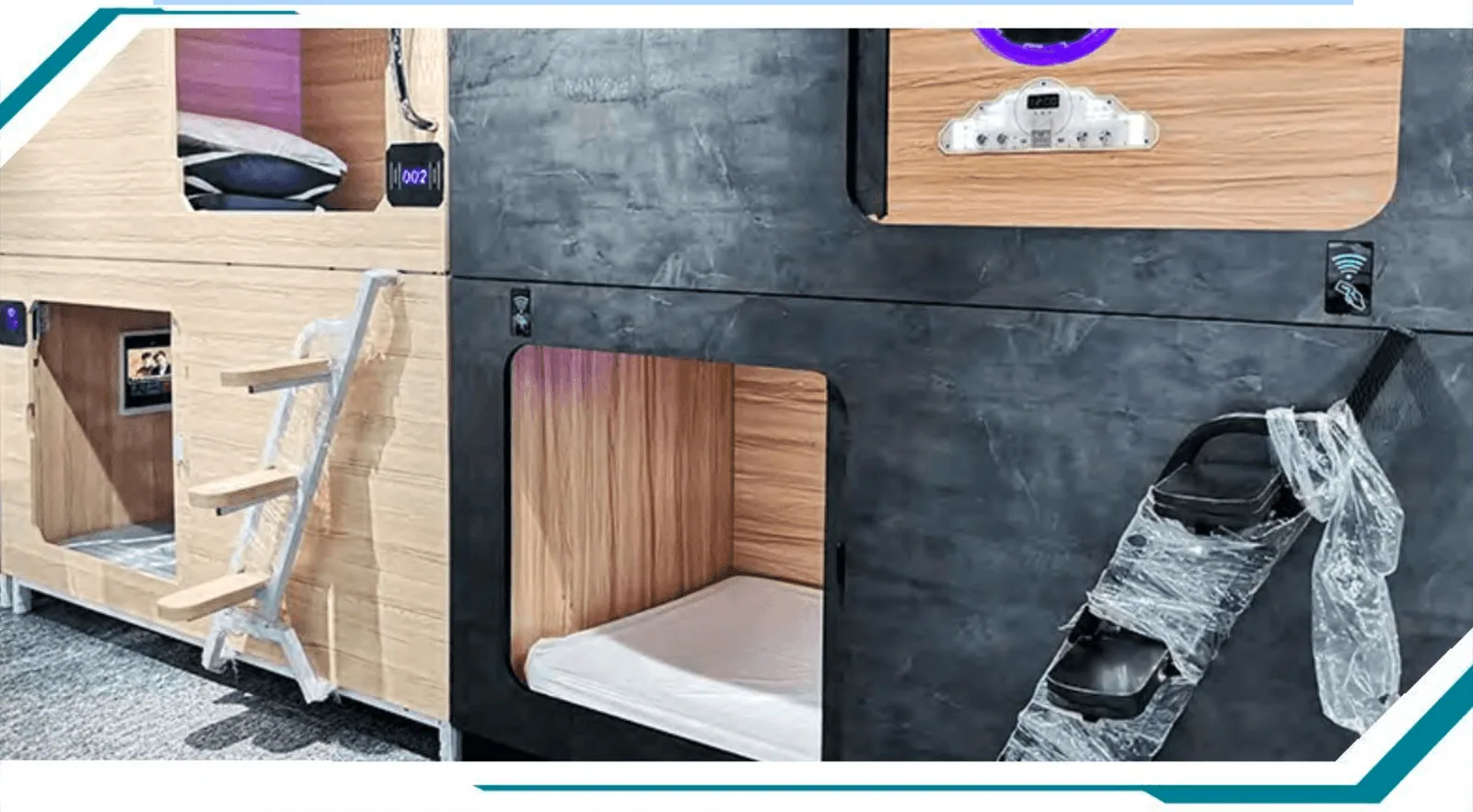
Wooden Series - Horizontal Single
Premium eco multi-layer board construction with metal frame, offering natural wood-grain aesthetics while maintaining all essential capsule bed features.
Need an all-season outdoor stay?
Compare Capsule Houses with indoor sleeping pods in NH 27 (Porbandar–Silchar E–W corridor)
For glamping, farmstay and nature sites, a factory-finished capsule house offers a private washroom, climate control and a complete detached guest unit.
FAQs — NH 27 (Porbandar–Silchar E–W corridor)
What is a sleeping pod and how does it differ from a capsule hotel on NH 27?
A sleeping pod is a self‑contained, climate‑controlled capsule that provides a 30‑minute to 6‑hour nap, unlike a capsule hotel which offers full‑night stays. Pods are designed for quick turnover at highway rest points.
Can drivers use the pods without a reservation?
Yes – pods operate on a first‑come, first‑served basis for hourly naps, while a simple app allows pre‑booking for overnight slots.
Are the pods safe for truck drivers who need to rest after long hauls?
Pods meet Indian safety standards, feature fire‑retardant materials, emergency exits, and are positioned away from fuel pumps to prevent any hazard.
How do pods help reduce drowsy‑driving accidents on this corridor?
By providing a convenient, hygienic micro‑sleep environment, drivers can reset alertness every 2‑3 hours, cutting the night‑time crash risk by up to 25 % according to pilot studies.
What is the cost for a driver to use a pod at a toll‑plaza?
Hourly nap rates range from ₹80‑₹120; overnight stays are ₹350‑₹500, payable via cash, QR‑code or the driver‑app.
Will the pods affect the existing dhaba business?
Pods complement dhabas by attracting more footfall; drivers who nap are more likely to purchase food and fuel, boosting ancillary revenue.
Nearby corridors
Run pods on NH 27 (Porbandar–Silchar E–W corridor) — save lives + earn 24×7 occupancy
Talk to the BIDUA team to scope a site, get a quote and a free 3D layout.