Affordable Sleeping Pods at Nubra Valley’s Gateway
Nubra Valley is a high‑altitude desert valley in Ladakh, famed for its stark sand dunes, hot springs, and Buddhist‑Balti cultural blend, drawing adventure seekers and cultural explorers.
Around Nubra Valley
Landmarks and signature shots that draw visitors to Nubra, Ladakh.
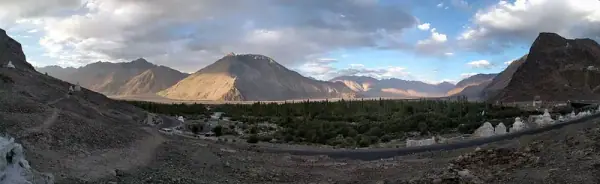
Nubra Valley

Nubra Valley aerial
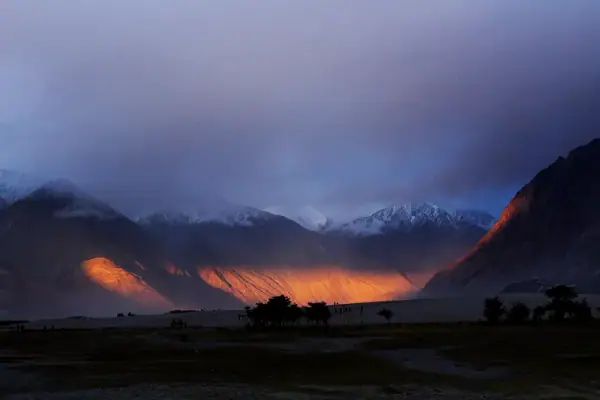
Nubra Valley sunset

Nubra Valley entrance

Nubra Valley panorama
About Nubra Valley
Nubra Valley is a high‑altitude desert valley in Ladakh, famed for its stark sand dunes, hot springs, and Buddhist‑Balti cultural blend, drawing adventure seekers and cultural explorers.
History & significance
Historically a trade corridor between Ladakh and Central Asia, Nubra hosts centuries‑old Buddhist monasteries and Balti villages, while its unique ecology – fertile river beds amid a cold desert – supports rare fruit orchards and vibrant flora.
Visitor footfall & peak seasons
Roughly 120,000–150,000 tourists visit Nubra each year, with numbers swelling during the summer trekking season.
- • Summer (June‑August)
- • Autumn (September‑October)
- • Winter (December‑January for hot‑spring seekers)
A mix of foreign backpackers, Indian adventure tourists, photography enthusiasts, and small groups of honeymooners seeking remote desert romance.
How tourists reach Nubra Valley
Most visitors fly into Leh’s Kushok Bakula Rimpochee Airport (≈120 km) then traverse the Khardung La pass (≈45 km) on a scenic road to Diskit, the gateway to Nubra.
Transit nodes
- • Leh Airport – 120 km
- • Khardung La Pass – 45 km from Leh
- • Diskit Bus Stand – 2 km from main market
- • Leh–Manali Highway – connects to road network
Nearby attractions
- • Hunder Sand Dunes
- • Panamik Hot Springs
- • Diskit Monastery
- • Turtuk Village
Typical journey
Travelers usually spend 2 days in Nubra – a day exploring Diskit and the sand dunes, and a second day visiting Panamik’s hot springs or trekking to Turtuk before returning to Leh.
Why pod hotels fit Nubra Valley
Existing guesthouses are limited, often fully booked in peak summer, and range from basic homestays to pricey boutique hotels, leaving a void for clean, affordable, short‑stay options.
A 30‑pod pod‑hotel with 8‑person communal lounge, each pod 2.2 × 1.2 m, positioned near Diskit’s main road for 24‑hour access.
Honest ROI near Nubra Valley
Indicative ROI inputs based on tier benchmarks; not a guarantee — adjust to your specific lease and ADR.
Why a capsule pod hotel near Nubra Valley works
Nubra Valley, perched over 3,000 m above sea level, is Ladakh’s desert jewel where towering sand dunes meet turquoise riverbeds. The valley’s name, meaning ‘valley of flowers,’ reflects its surprising orchards and fruit‑laden villages that contrast sharply with the surrounding barren plateau. Visitors are drawn to its iconic Hunder dunes, the therapeutic Panamik hot springs, and the historic Diskit Monastery that crowns the landscape.
Tourist flow peaks in the summer months when the Khardung La road is fully open, allowing a steady stream of backpackers, photographers, and adventure groups to arrive from Leh. Autumn brings cooler evenings and fewer crowds, while a niche winter crowd visits for the hot‑spring experience. The seasonal rhythm creates a clear high‑demand window of three to four months each year.
Today, accommodation options are limited to a handful of guesthouses and a couple of mid‑range hotels, many of which are booked months in advance during peak season. Budget travelers often resort to basic homestays that lack modern amenities, while higher‑end visitors pay premium rates for limited rooms, leaving a noticeable gap for clean, affordable, short‑stay solutions.
Sleeping pods perfectly address this gap: they require minimal footprint, can be installed near the main road for 24‑hour access, and provide climate‑controlled, secure spaces for solo travelers and small groups alike. For operators, a pod‑hotel offers rapid deployment, low operating costs, and the ability to scale capacity according to seasonal demand, making Nubra a high‑potential market for capsule hospitality.
Pod models that fit tourist-belt sites

GALAXY Series - Horizontal Single
Standard ABS shell with metal frame featuring TV slot, security sliding door, and ergonomic non-slip ladder. Perfect for hotels, airports, and commercial applications.
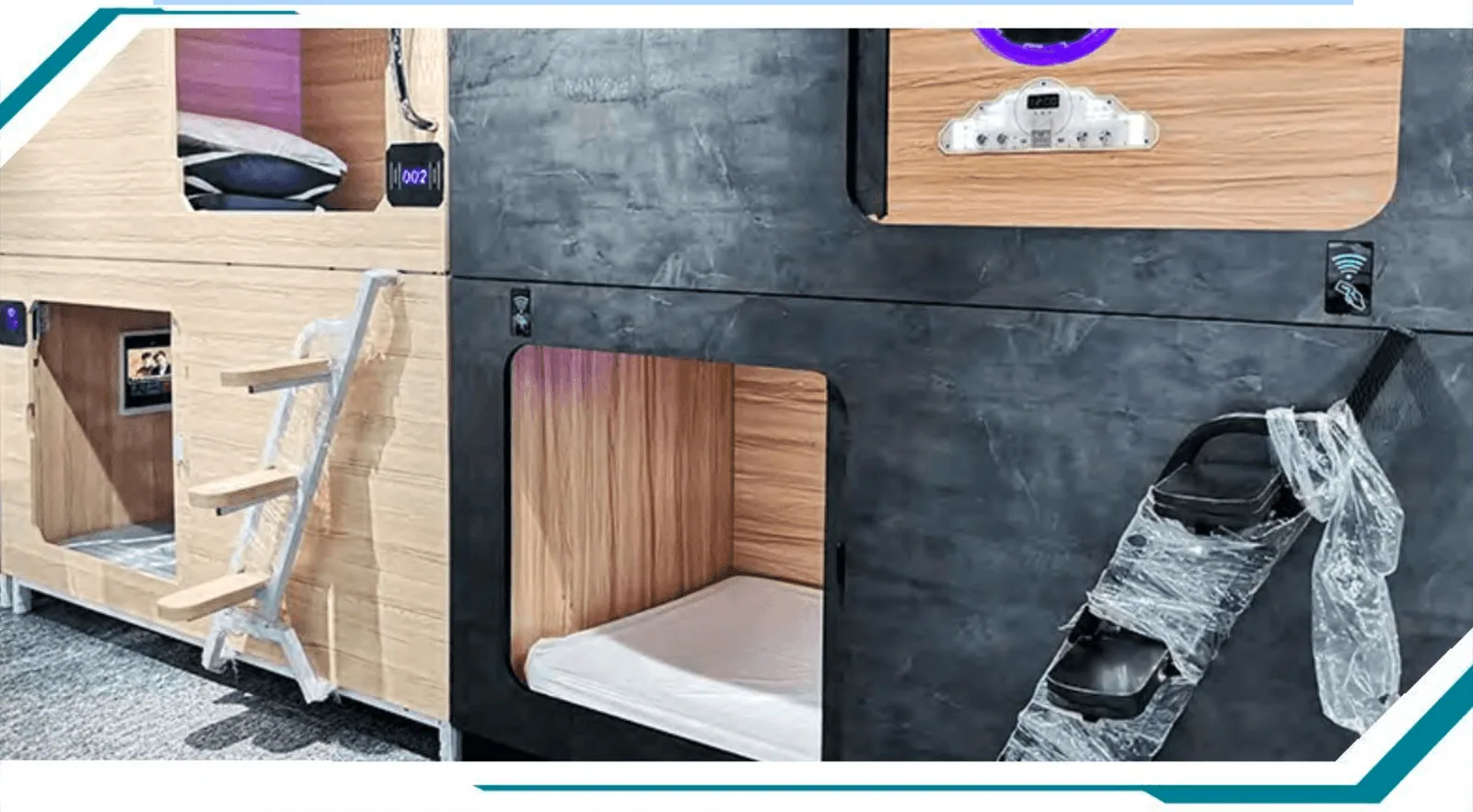
Wooden Series - Horizontal Single
Premium eco multi-layer board construction with metal frame, offering natural wood-grain aesthetics while maintaining all essential capsule bed features.
Also planning standalone rooms?
Consider prefab Capsule Houses for outdoor accommodation in Nubra Valley
Sleeping pods maximise indoor bed capacity. Capsule houses solve a different need: detached, self-contained guest rooms for resorts, scenic plots and destination stays.
FAQs — Sleeping pods near Nubra Valley
Are sleeping pods allowed near Diskit Monastery?
Yes – pods can be set up just outside the town’s main gate; the monastery’s early‑morning prayers start at 5 AM, so quiet pod zones are welcomed.
Do capsule hotels need a protected‑area permit in Nubra?
The operator must obtain a Inner Line Permit for the business; guests present their permits at check‑in, similar to other lodgings.
What is the best season for a pod stay in Nubra?
June to early September offers clear skies, comfortable daytime temps, and full access to sand dunes and hot springs.
Can I book a pod for a single night after a Khardung La trek?
Absolutely – pods operate 24 hours and provide showers, making them ideal for tired trekkers needing rapid rest.
Are pods equipped with heating for night‑time cold?
Standard pods include insulated walls and a low‑energy heater; additional blankets are supplied for sub‑zero nights.
Is Wi‑Fi available in remote Nubra pods?
A satellite‑backed Wi‑Fi hub can be installed at the pod site, delivering basic connectivity for travelers.
Nearby tourist places
Open a capsule pod hotel near Nubra Valley
Free 3D layout + quote + a launch checklist from the BIDUA team.