Pangong Tso Sleeping Pods – Your Budget Stay on the Lake’s Edge
Pangong Tso is a high‑altitude saline lake straddling Ladakh (India) and Tibet (China), famed for its turquoise waters and dramatic mountain backdrop. Visitors flock to its surreal landscape, especially the Indian‑held western shore near Lukung.
Around Pangong Tso Lake
Landmarks and signature shots that draw visitors to Leh, Ladakh.
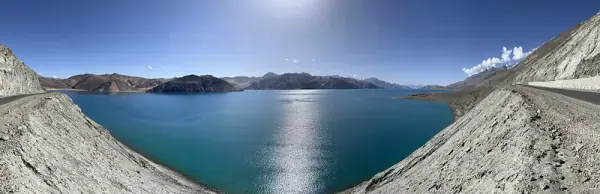
Pangong Tso Lake
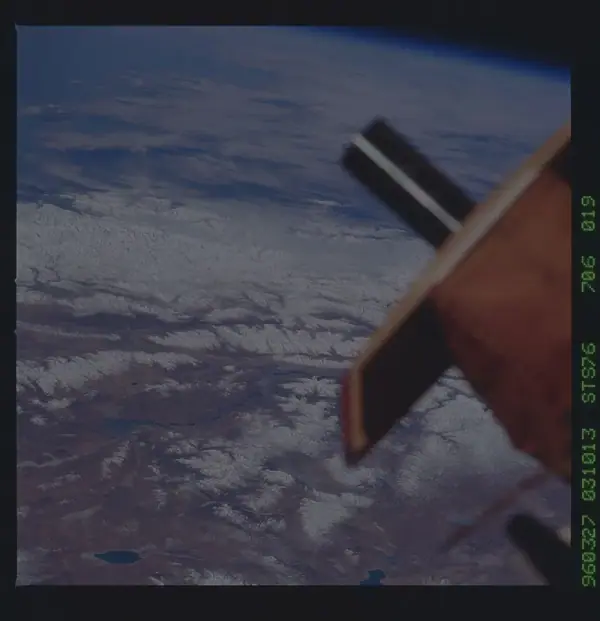
Pangong Tso Lake interior
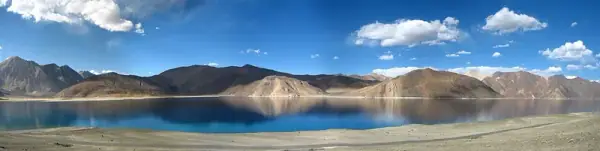
Pangong Tso Lake sunset
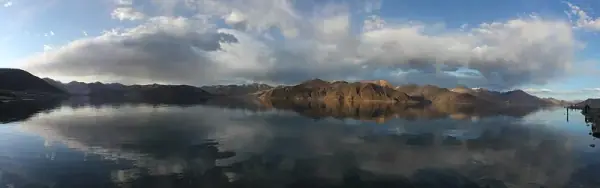
Pangong Tso Lake panorama
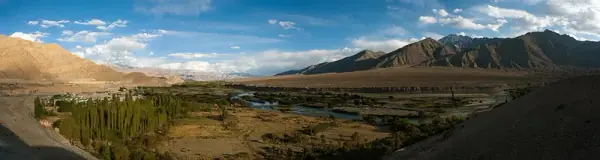
Leh
About Pangong Tso Lake
Pangong Tso is a high‑altitude saline lake straddling Ladakh (India) and Tibet (China), famed for its turquoise waters and dramatic mountain backdrop. Visitors flock to its surreal landscape, especially the Indian‑held western shore near Lukung.
History & significance
The lake has been a cultural landmark for Tibetan nomads and Ladakhi traders, and its name means "high grassland lake" in Tibetan. It lies on the contested Line of Actual Control, witnessing several India‑China standoffs, and its surrounding forts and ridges hold historic military significance.
Visitor footfall & peak seasons
Approximately 150,000–200,000 tourists visit the Indian side each year, with numbers spiking during the summer months.
- • Summer (June‑August)
- • Autumn (September‑October)
- • Winter (December‑January for adventure trekkers)
A mix of Indian adventure seekers, foreign backpackers, photographers, and honeymoon couples drawn by the lake’s iconic sunrise.
How tourists reach Pangong Tso Lake
Leh Airport (Kushok Bakula Rimpochee) is the nearest air hub, about 215 km (≈5‑6 h drive) to Pangong Tso via the Leh‑Manali Highway and the Pangong Lakeshore Road. The nearest railhead is Jammu (≈800 km), requiring a road transfer.
Transit nodes
- • Leh Airport – 215 km
- • Manali‑Leh Highway junction – 180 km
- • Lukung – 30 km (gateway village)
- • Chushul – 50 km (border post)
Nearby attractions
- • Khardung La Pass
- • Nubra Valley
- • Spanggur Tso
- • Thiksey Monastery
- • Hemis Monastery
Typical journey
Travelers usually fly into Leh, drive to Lukung, spend a night on the lake’s shore, catch sunrise, explore nearby Finger‑4 viewpoints, then return to Leh or continue to Nubra Valley.
Why pod hotels fit Pangong Tso Lake
Lodging on the lake’s western bank is limited to a handful of basic guesthouses and government‑run camps, which fill up quickly in peak season and lack modern amenities. Budget hotels in Leh are pricey and far from the lake, while luxury resorts are scarce.
A 12‑pod micro‑hotel with 3‑person pods (12 sqm each) plus 4 single pods (6 sqm) to serve solo travelers and small groups.
Honest ROI near Pangong Tso Lake
Indicative ROI inputs based on tier benchmarks; not a guarantee — adjust to your specific lease and ADR.
Why a capsule pod hotel near Pangong Tso Lake works
Pangong Tso, perched at 4,225 m in the trans‑Himalayan plateau, captivates travelers with its ever‑changing shades of blue and stark, snow‑capped peaks. The lake’s western shore, part of Indian‑administered Ladakh, offers a surreal mirror of the sky that has become a bucket‑list destination for adventure lovers and photographers alike.
Tourist flow peaks in the summer months when the Leh‑Leh‑Pangong road is fully open, drawing up to 200,000 visitors who chase the sunrise at Lukung. Autumn brings cooler temperatures and fewer crowds, while a niche group of winter trekkers visits when the lake freezes, creating a unique, albeit harsh, experience.
Today, accommodation options are limited to a few government camps and basic guesthouses that quickly reach capacity. Budget hotels in Leh are far and expensive, and luxury resorts are virtually nonexistent on the lake’s shore, leaving travelers with cramped or overpriced stays.
Sleeping pods would perfectly address this gap: modular, quick‑to‑install, and adaptable to the rugged terrain. Operators can offer affordable, climate‑controlled pods that cater to solo backpackers, families, and sunrise photographers, turning a high‑traffic bottleneck into a sustainable revenue stream while preserving the lake’s pristine environment.
Pod models that fit tourist-belt sites

GALAXY Series - Horizontal Single
Standard ABS shell with metal frame featuring TV slot, security sliding door, and ergonomic non-slip ladder. Perfect for hotels, airports, and commercial applications.
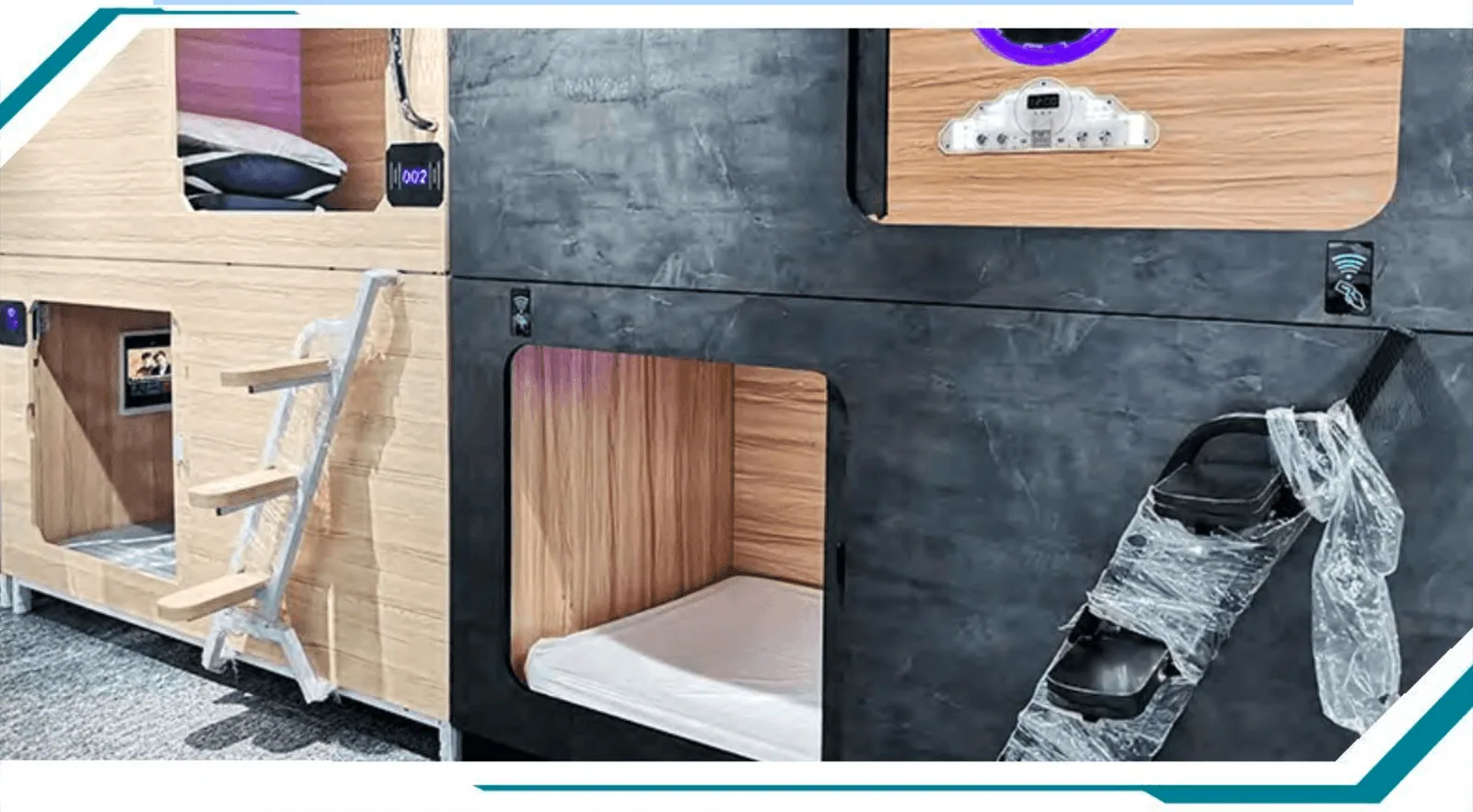
Wooden Series - Horizontal Single
Premium eco multi-layer board construction with metal frame, offering natural wood-grain aesthetics while maintaining all essential capsule bed features.
Also planning standalone rooms?
Consider prefab Capsule Houses for outdoor accommodation in Pangong Tso Lake
Sleeping pods maximise indoor bed capacity. Capsule houses solve a different need: detached, self-contained guest rooms for resorts, scenic plots and destination stays.
FAQs — Sleeping pods near Pangong Tso Lake
Are there sleeping pods near Pangong Tso?
Currently no dedicated pod‑hotel exists; the nearest accommodation is at Lukung (≈2 km from the lake) where a pod concept would fill a clear market gap.
What is the best time to book a pod stay for sunrise?
Book at least 2‑3 weeks in advance for June‑August; pods should be operational by 5 am to catch the famed sunrise.
Can I reach a pod hotel by public transport?
Public buses run from Leh to Lukung; a shuttle service from the bus stop to the pod site would be needed.
Do pods have heating for winter visits?
Pods equipped with insulated walls and electric heaters can keep guests comfortable even when the lake freezes at –10 °C.
Is Wi‑Fi available at high‑altitude pod sites?
Satellite‑based internet can be installed; many current guesthouses offer limited Wi‑Fi, indicating demand.
Are pods eco‑friendly for this fragile environment?
Modular pods with solar panels and waste‑management systems align with Ladakh’s sustainability goals and reduce the impact of temporary structures.
Nearby tourist places
Open a capsule pod hotel near Pangong Tso Lake
Free 3D layout + quote + a launch checklist from the BIDUA team.