Tier 2 pod-hotel market · Uttar Pradesh
Sleeping Pod Hotel in Muzaffarnagar — India's Sugar Bowl on the Delhi-Haridwar Highway
One of western UP's most densely populated districts with a large floating population of mandi traders, mill workers, Uttarakhand-bound pilgrims in transit, and hospital visitors — all prime short-stay pod demand.
Population & catchment
Muzaffarnagar district: ~41.4 lakh (2011 Census: 4,143,512; current estimate ~48-50 lakh). City metro area ~8.6 lakh (2026 est.). District density 960 per sq km across 2,991 sq km.
Urban pull
About 28% urban (2011), rapidly urbanising — city population crossed 6 lakh, qualifying for Smart City development. Heavy rural-to-urban daily migration for sugar mills, mandis and hospitals.
Economic base
Muzaffarnagar is the 'Sugar Bowl of India' — its 11 sugar mills, the world's largest jaggery (gur) mandi, and the highest agricultural GDP in Uttar Pradesh make agro-processing the economic backbone. Steel rolling mills, paper mills (Bindal Duplex, Miranpur Papers, Tihri Pulp & Paper), and its strategic position on two national industrial corridors (DMIC and ADKIC) add a significant manufacturing layer. The city is the principal commercial, industrial and educational hub of western Uttar Pradesh, positioned 125 km from Delhi within the National Capital Region.
Around Muzaffarnagar
Key landmarks and footfall hubs that drive short-stay demand in Muzaffarnagar.
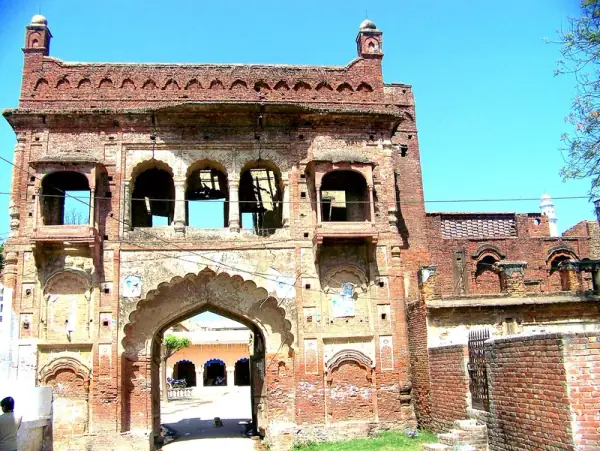
Bada Darwaza — 400-year-old Mughal gate at Kakrouli village
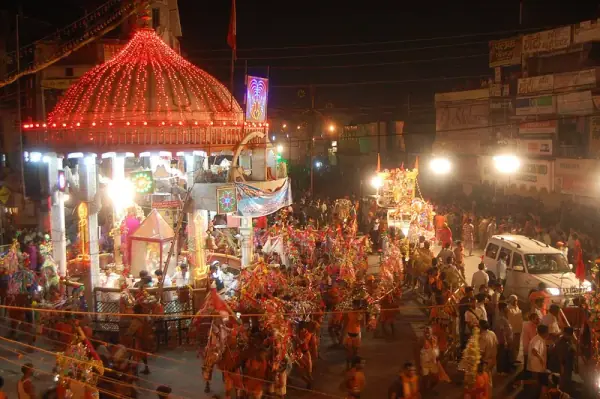
Shiv Chowk — heart of Muzaffarnagar city
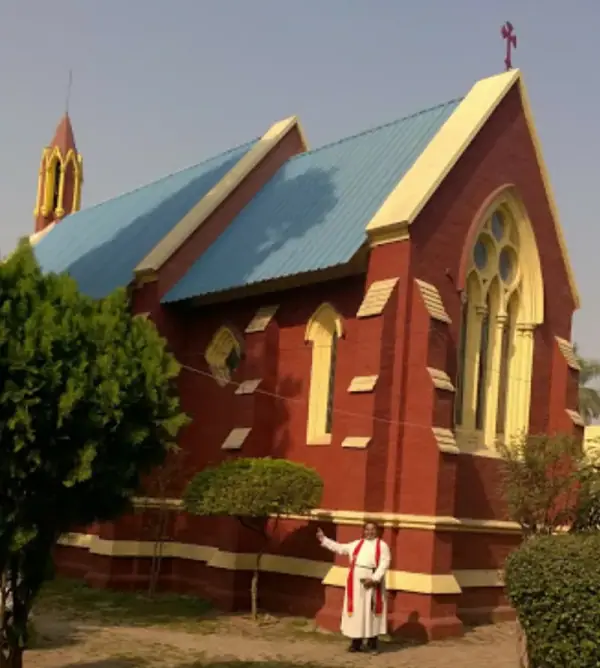
St. John's Church — colonial-era heritage in Muzaffarnagar
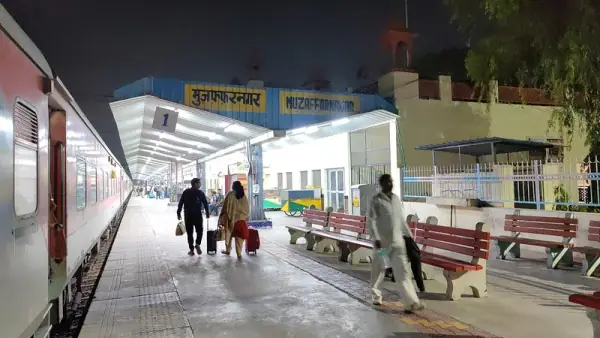
Muzaffarnagar Railway Station — major transit hub on Delhi-Haridwar line
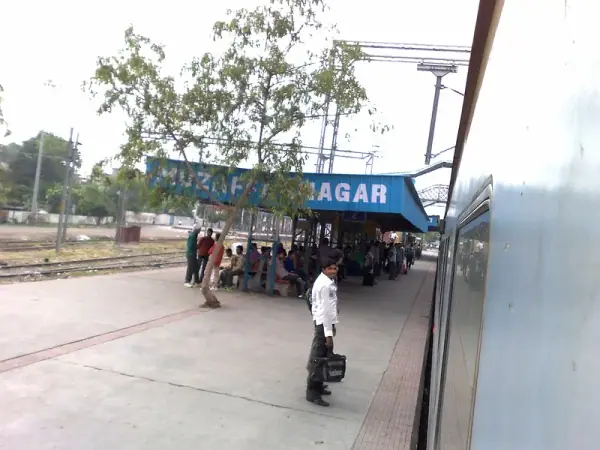
Dehradun Shatabdi Express at Muzaffarnagar — key connectivity symbol
Why a pod hotel works in Muzaffarnagar
Muzaffarnagar has no branded capsule or pod hotel despite being western UP's industrial-commercial capital, a major NH-58 transit hub, and a pilgrimage gateway to both Haridwar-Rishikesh and Shukratal. The thousands of mandi traders, sugar-mill workers, hospital attendants, Uttarakhand-bound pilgrims, and coaching students currently rely on low-quality dharamshalas or overpriced highway lodges. A clean, tech-enabled sleeping-pod hotel near the railway station or NH-58 bypass fills this gap at a price point these travellers can afford.
Muzaffarnagar sits on the Delhi-Haridwar-Dehradun NH-58 corridor, making it a mandatory stopover for millions of Uttarakhand-bound pilgrims, tourists and commercial travellers every year. Sugar mill and paper mill workers from surrounding districts flood the town during crushing season (October-April). Patients and attendants travel from across western UP to Muzaffarnagar Medical College Hospital (950 beds) and the District Hospital. Students arrive for coaching centres, DAV College, and Sanatan Dharam College. Jain pilgrims visit Vahelna (4 km) and transit to Hastinapur (53 km). Hindu devotees converge on Shukratal for Bhagwat Katha festivals. Business visitors attend the world's largest jaggery (gur) mandi. All these travellers need affordable, clean, short-stay rest — exactly the sleeping-pod use case.
Best ways to use pods here
- Near Muzaffarnagar Railway Station — 25+ daily trains bring Delhi, Haridwar, Punjab and South India passengers needing short rest or overnight layover pods
- NH-58 highway bypass — Uttarakhand-bound pilgrims and truckers stopping for 4-8 hour naps during the Delhi-Haridwar drive
- Near MMCH Hospital gate — patient attendants needing affordable overnight rest near the 950-bed tertiary hospital
- Jaggery mandi / wholesale market zone — seasonal gur traders (Oct-Apr peak) needing clean, hourly-rate rest between auction shifts
- Shukratal pilgrimage corridor — devotees attending multi-day Bhagwat Katha festivals and Jain pilgrims transiting to Vahelna and Hastinapur
Where the demand sits in Muzaffarnagar
Transit & travel
- •Muzaffarnagar Railway Station — 25+ daily trains to Delhi, 17 to Haridwar, Shatabdi/Vande Bharat halts
- •NH-58 (Delhi-Haridwar-Dehradun National Highway) — backbone road through city centre
- •NH-334 and NH-709AD connecting Bijnor, Shamli and broader western UP
- •Proposed Smart City bus terminal on NH-58 for intercity and Uttarakhand-bound traffic
- •Nearest airports: Jolly Grant Dehradun (120 km), Delhi IGI (130 km)
Healthcare demand
- •Muzaffarnagar Medical College & Hospital (MMCH) — 950-bed tertiary centre with MRI, CT, cath lab, dialysis, IVF
- •District Hospital Muzaffarnagar — major government facility
- •Allama Iqbal Unani Medical College & ACN Hospital — 100-bed teaching hospital
- •Private nursing homes and clinics along Civil Lines and Meenakshi Chowk
Education & coaching
- •Muzaffarnagar Medical College — 150 MBBS seats annually (NEET intake)
- •DAV Degree College and Sanatan Dharam College — major undergraduate institutions
- •Shree Ram Group of Colleges and SD Group of Colleges
- •IIT-JEE, NEET, and UPSC coaching centres in city centre
- •Chaudhary Charan Singh University (Meerut, 31 km) — affiliating university for the region
Industry & trade
- •11 sugar mills including Triveni, Uttam, Tikaula, IPL, Titawi, Mansurpur, Bhaisana
- •World's largest jaggery (gur) mandi — thousands of seasonal traders
- •Paper mills: Bindal Duplex Ltd, Miranpur Papers Ltd, Tihri Pulp & Paper Ltd
- •Steel rolling mills and re-rolling units across the district
- •Delhi-Mumbai Industrial Corridor (DMIC) and Amritsar-Delhi-Kolkata Industrial Corridor (ADKIC) node
Tourism & pilgrimage
- •Shukratal — ancient pilgrimage on Ganga banks (72 ft Hanuman idol, 5100-year-old Akshayavat banyan, Ganeshdham)
- •Vahelna Jain Temple — Shri 1008 Parshwanath Digamber Jain Atishye Kshetra with 31 ft monolith, interfaith walls
- •Bada Darwaza — 400-year-old Mughal-era gateway at Kakrouli village
- •St. John's Church — colonial-era heritage structure in city centre
- •Shahpeer Sahab ki Dargah — Mughal tomb commissioned by Noor Jahan (1628)
- •Government Educational Museum (est. 1959) — coins, terracotta, metal sculptures
- •Gateway to Haridwar-Rishikesh (73 km), Hastinapur Jain temples (53 km), Shakumbhari Devi (65 km)
Profit & ROI projection for Muzaffarnagar
A starter model based on a minimum 50 pods at 70% occupancy and an indicative ₹899/pod/night. Costs use the same itemised basis as our full ROI calculator — pods, add-ons, 18% GST, transport, fit-out and full monthly running cost.
Important: this is only an ASSUMPTION-based projection — not an accurate quote or a guarantee.
The real cost, occupancy, pricing and profit will change with your exact location, property rent, season, competition and how you run the business. Treat these figures as a planning estimate only. For real numbers, use the full calculator or get a custom quote from BIDUA.
Total investment
₹75.7 lakh
50 pods + add-ons + GST + fit-out
Monthly revenue
₹9.4 lakh
35 of 50 pods filled/night
Monthly net profit
₹4.6 lakh
49% margin after all costs
Payback
~16 mo
74% annual ROI
Break-even occupancy ≈ 25% — you only need this much filled to cover all costs; everything above is profit.
| 50 pods (BIDUA mix) | ₹40,30,000 |
| Add-ons (mattress, bedding, panels, safe lock, table) | ₹16,25,200 |
| GST @ 18% (pods + add-ons) | ₹10,17,936 |
| Transport (warehouse → site) | ₹4,00,000 |
| Fit-out, AC, reception, branding + rent deposit | ₹5,00,000 |
| Total investment | ₹75,73,136 |
| Revenue (50 × 70% × ₹899 × 30) | ₹9,43,950 |
| Fixed costs (rent, staff, power, housekeeping…) | – ₹2,62,000 |
| Variable (OTA + marketing + gateway, 23%) | – ₹2,17,109 |
| Net profit / month | ₹4,64,842 |
| Net profit / year | ₹55,78,098 |
Indicative Tier 2 assumptions for a western UP industrial-commercial city on a major national highway. Actual rates depend on exact location, seasonality (gur mandi peak Oct-Apr), and operator execution. Not a guarantee of returns. Figures are indicative estimates, not guarantees.
Muzaffarnagar pod-hotel business plan & study
A step-by-step plan to launch a capsule / sleeping-pod hotel in Muzaffarnagar — from picking the right location to licences, setup, pricing and reaching profitable occupancy.
Demand drivers
21+
transit, hospital, student & tourism footfall points
Space needed (50 pods)
2250–2750 sq ft
single rented floor + reception & washrooms
Break-even occupancy
25%
fill above this and you are in profit
Indicative payback
~16 months
on ₹75.7 lakh all-in setup
1. Pick the right location
Target a floor near Muzaffarnagar Medical College & Hospital (MMCH) — 950-bed tertiary centre with MRI, CT, cath lab, dialysis, IVF or NH-58 (Delhi-Haridwar-Dehradun National Highway) — backbone road through city centre. Best opening use-case: Near Muzaffarnagar Railway Station — 25+ daily trains bring Delhi, Haridwar, Punjab and South India passengers needing short rest or overnight layover pods.
2. Plan investment & funding
Budget about ₹75.7 lakh all-in for 50 pods (pods + add-ons + 18% GST + transport + fit-out & deposit). Many operators fund this with a mix of own capital + a small business/MSME loan against projected cash flow.
3. Licences & compliance
Arrange a municipal trade licence, GST registration, fire safety NOC, police/guest verification (where required), and basic building & sanitation approvals before launch.
4. Build & launch
BIDUA shares a free 3D layout, then delivers and helps install the pods. Civil, electrical, AC and reception fit-out typically takes ~30–45 days, so you can open quickly on a leased floor.
5. Pricing & operations
Start at ~₹899/pod/night, and add hourly slots near hospitals for day-rest demand. Run lean with a small reception + housekeeping team; keep pods clean, private and secure to earn repeat stays.
6. Marketing & occupancy
List on OTAs (MakeMyTrip, Booking.com, OYO, Goibibo) + Google Business Profile, and tie up with nearby hospitals, coaching institutes and tour operators to push occupancy past the 25% break-even quickly.
Key risks & how to manage them
Low occupancy in early months. Open with OTA listings + hospital/coaching tie-ups; use hourly pricing to fill day-time.
High rent eating margins. Choose a slightly off-main but accessible floor near Muzaffarnagar Railway Station — 25+ daily trains to Delhi, 17 to Haridwar, Shatabdi/Vande Bharat halts; rent is the biggest lever.
Seasonality / exam & festival peaks. Flex pricing up in peak weeks; offer weekly/monthly pod rentals to students for a stable base.
Cleanliness & safety complaints. Invest in housekeeping, safe locks and CCTV — reputation drives repeat and OTA ratings.
Recommended pod setup for Muzaffarnagar
50-pod mixed configuration: 30 horizontal single pods for solo business travellers and pilgrims, 10 double-bed pods for couples and families visiting Shukratal/Haridwar, 10 premium pods with luggage lockers near the railway station. Add hourly booking for mandi traders and transit passengers. Wi-Fi, AC, USB charging, and CCTV standard.

GALAXY Series - Horizontal Single
Standard ABS shell with metal frame featuring TV slot, security sliding door, and ergonomic non-slip ladder. Perfect for hotels, airports, and commercial applications.
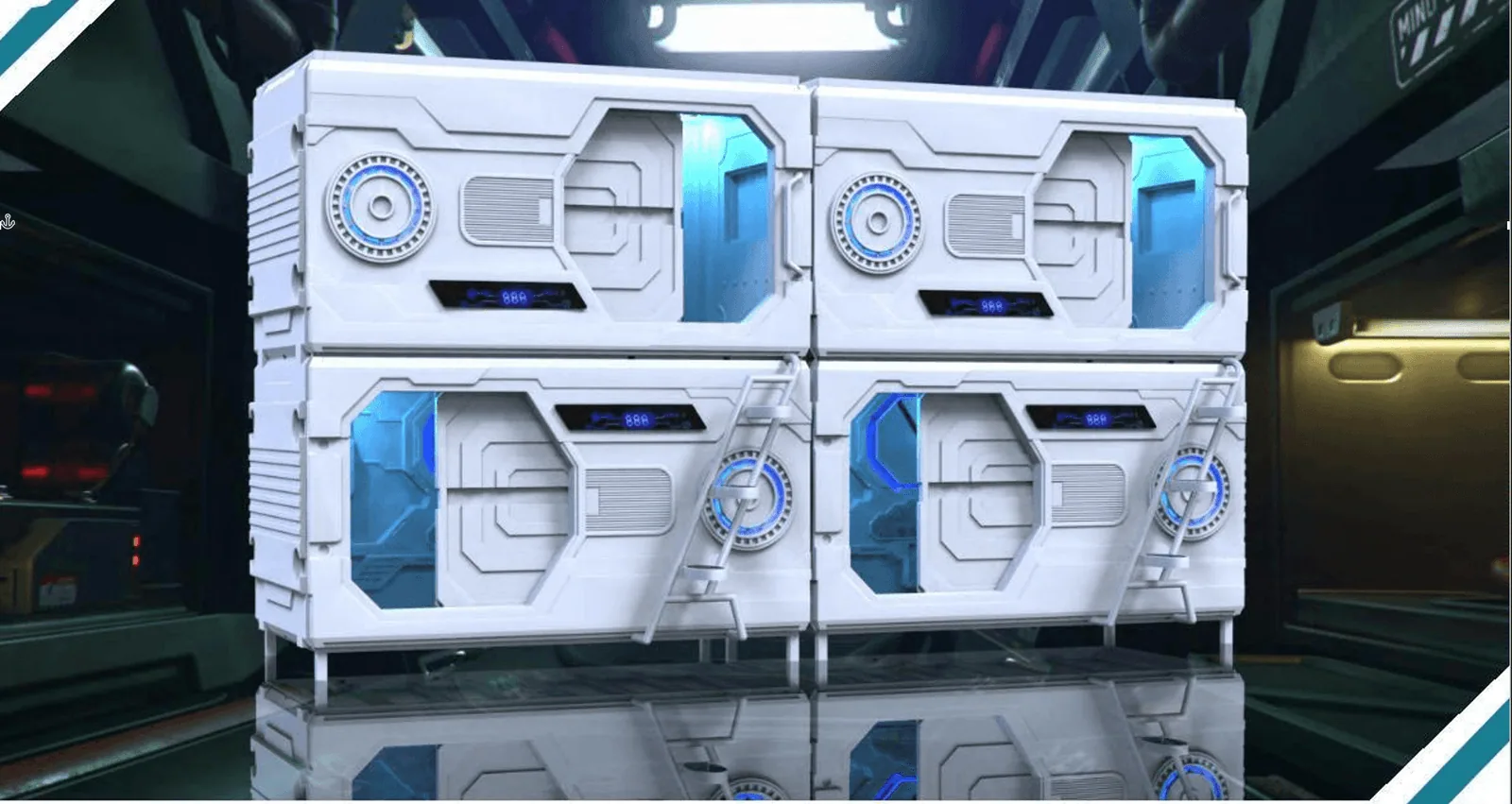
SPACE Series - Horizontal Single
Standard SPACE series with mirror panel, sliding door, TV slot, and intelligent LED controls. Perfect for hotels and commercial applications.
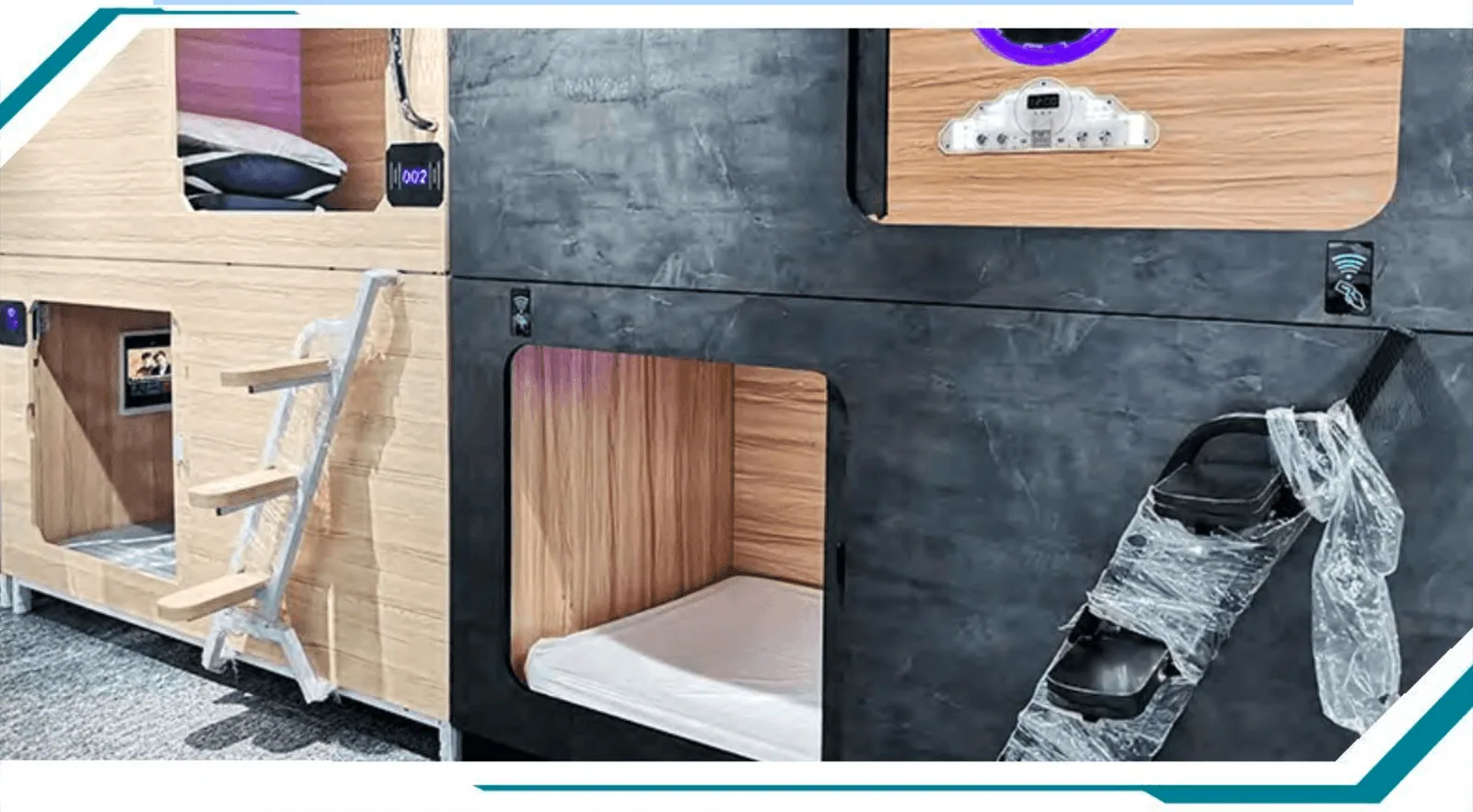
Wooden Series - Horizontal Single
Premium eco multi-layer board construction with metal frame, offering natural wood-grain aesthetics while maintaining all essential capsule bed features.
Market deep-dive
The Muzaffarnagar pod-hotel opportunity
Muzaffarnagar is not just another north Indian district town — it is the undisputed Sugar Bowl of India, home to 11 operational sugar mills and the world's largest jaggery (gur) mandi that draws thousands of traders from Punjab, Haryana, Rajasthan and beyond every crushing season. Founded in 1633 by Sayyid Muzaffar Khan during Shah Jahan's reign, the city grew from a Mughal garrison outpost into western Uttar Pradesh's principal commercial nerve centre. Today it anchors two national industrial corridors (DMIC and ADKIC), boasts the highest agricultural GDP in the state, and commands a strategic position on NH-58, the arterial highway linking Delhi to Haridwar, Rishikesh and the Char Dham. That relentless flow of trade, transit and pilgrimage creates a year-round demand for affordable, hygienic short-stay accommodation that traditional hotels simply do not meet.
The city's transport geometry is a pod operator's dream. Muzaffarnagar Railway Station handles over 25 daily trains — including the Dehradun Shatabdi Express and Vande Bharat — connecting Delhi (125 km), Haridwar (73 km), Saharanpur, Meerut (31 km) and destinations across Punjab and South India. NH-58 funnels millions of Uttarakhand-bound pilgrims, truckers and tourists through the city every year. Muzaffarnagar Medical College Hospital, a 950-bed tertiary centre with cath lab, MRI and dialysis, pulls patients and attendants from across the region who need overnight rest but cannot afford full hotel rooms. Coaching students, college attendees, and mandi workers compound the floating population, making the gap between demand and clean supply unmistakable.
Beyond commerce, Muzaffarnagar guards a remarkable cultural corridor. Shukratal, 28 km away on the Ganga banks, is where sage Sukdev narrated the Shrimad Bhagwat Purana to King Parikshit beneath a 5,100-year-old Akshayavat banyan tree — its 72-foot Hanuman idol and Ganeshdham temple draw lakhs of devotees annually. Just 4 km from the city, Vahelna's Jain temple complex, where a mosque, a Shiva temple and a Jain shrine share common walls, is a powerful symbol of interfaith harmony and a major Digamber Jain pilgrimage. The 400-year-old Bada Darwaza in Kakrouli, the Mughal-era Shahpeer Dargah commissioned by Noor Jahan, and a colonial-era St. John's Church complete a heritage mosaic that no other district in western UP can replicate.
For a BIDUA Pods franchise partner, Muzaffarnagar offers a rare Tier 2 sweet spot: a city large enough for strong commercial throughput — population approaching 50 lakh district-wide, Smart City upgrade underway, rents still well below NCR metros — yet completely unserved by any branded capsule or pod hotel concept. A 50-pod installation near the railway station or NH-58 bypass, configured with hourly booking for mandi traders and pilgrims, can capture demand from sugar-industry workers, hospital attendants, coaching students and the constant tide of Haridwar-bound travellers. With jaggery-season peaks from October through April layering on top of the baseline pilgrim and transit traffic, occupancy drivers are diversified and year-round. Muzaffarnagar is not waiting for opportunity — opportunity is already passing through on every train and truck.
Muzaffarnagar pod hotel — FAQs
What is a sleeping pod hotel and why does Muzaffarnagar need one?+
A sleeping pod (also called a capsule hotel or Japanese pod hotel) is a compact, private, tech-enabled sleeping cabin with AC, Wi-Fi, USB charging and fresh linen — at a fraction of traditional hotel rates. Muzaffarnagar needs pods because thousands of sugar-mill workers, jaggery traders, NH-58 highway travellers and hospital attendants currently have no clean, affordable short-stay option between expensive hotels and basic dharamshalas.
Where is the best location for a pod hotel in Muzaffarnagar?+
Three locations stand out: (1) near Muzaffarnagar Railway Station, which handles 25+ daily trains including the Dehradun Shatabdi, creating constant layover demand; (2) along the NH-58 bypass, capturing Uttarakhand-bound pilgrims and commercial traffic; (3) near Muzaffarnagar Medical College Hospital (MMCH), where patient attendants need overnight rest near the 950-bed facility.
Can I book a nap pod hourly in Muzaffarnagar for a quick rest?+
Yes — BIDUA Pods offers hourly booking specifically designed for Muzaffarnagar's large floating population. Jaggery mandi traders between auction shifts, NH-58 travellers stopping for a 4-hour nap on the Delhi-Haridwar drive, and railway passengers with layovers can book a clean, air-conditioned pod for as little as 2-3 hours.
How is a capsule hotel different from a budget hotel or dharamshala in Muzaffarnagar?+
Unlike Muzaffarnagar's unbranded budget lodges or dharamshalas near Shukratal, a capsule hotel (or Chinese/Japanese pod hotel) offers individual climate control, personal charging ports, privacy curtains, digital check-in and hygienic pods cleaned after every use — at rates often 40-60% lower than even a budget hotel room. It is the modern alternative for the city's traders, patients' families and transit travellers.
Is there demand for pod hotels during Muzaffarnagar's jaggery trading season?+
Absolutely. The October-April gur (jaggery) mandi season brings thousands of traders from across north India to what is the world's largest jaggery market. Many arrive before dawn for auctions and need a clean place to rest between shifts. Pod hotels with hourly rates directly serve this massive, underserved seasonal demand.
How do sleeping pods near Muzaffarnagar serve Haridwar and Shukratal pilgrims?+
Muzaffarnagar is the last major city on NH-58 before Haridwar (73 km) and hosts the ancient Shukratal pilgrimage on the Ganga banks. Pilgrims heading to Haridwar-Rishikesh-Kedarnath often break their journey here, while Shukratal's multi-day Bhagwat Katha festivals draw lakhs of devotees. Nap pods provide these pilgrims a hygienic, affordable rest stop — far better than sleeping in vehicles or crowded dharamshalas.
Start your Muzaffarnagar pod hotel with BIDUA
Sign up to design your space in 3D, build a presentation, and get a quotation + ROI from one dashboard — or talk to our team for a custom Muzaffarnagar plan.