Tier 2 pod-hotel market · Uttar Pradesh
Pod Hotel in Aligarh — India's Lock Capital Meets the Capsule Revolution
A young, education-driven demographic shaped by AMU's 18,000+ residential student body, a large manufacturing workforce of 2+ lakh artisans in the lock-and-hardware belt, and a rural Doab hinterland that funnels medical and administrative traffic into the city. Hindi (92.5%) and Urdu (5.3%) are dominant, with Braj Bhasha still spoken in rural parts.
Population & catchment
Aligarh district: 36.74 lakh (2011 Census), estimated ~44.4 lakh by 2026. Aligarh city metro area: ~14.1 lakh (2026 estimate). The district ranks 76th among India's 640 districts by population.
Urban pull
33.13% urban (2011), with Aligarh city as the dominant urban centre (~8.7 lakh in 2011, 53rd most populous city in India). Significant smaller towns include Khair, Atrauli and Iglas.
Economic base
Aligarh is India's undisputed 'Lock Capital' (Tala Nagri) — its 6,000+ lock-making units and 2 lakh artisans produce roughly 75% of all locks manufactured in the country, an industry tracing back to 1890 when Johnson & Co. began small-scale production here. Beyond locks, the city has built a diversified metalworking ecosystem in brass hardware, builder fittings, bronze sculptures and die-casting, supported by the ODOP (One District One Product) initiative. Aligarh Muslim University, a central university of national importance with 13 faculties and 18,000+ students, anchors a parallel education economy, while the fertile Ganga-Yamuna Doab sustains a large agricultural base in wheat, sugarcane and potato.
Around Aligarh
Key landmarks and footfall hubs that drive short-stay demand in Aligarh.
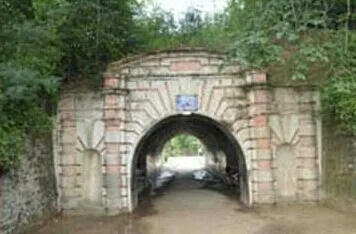
Aligarh Fort (Ramgarh Quila)
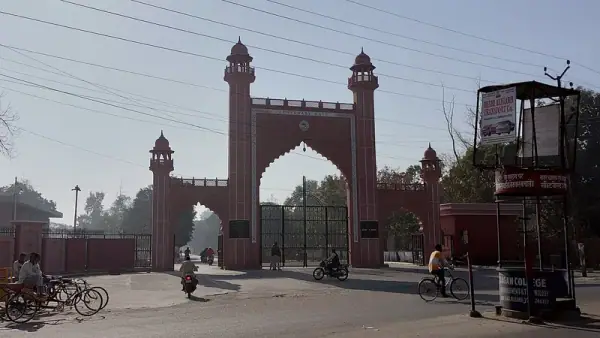
Centenary Gate, Aligarh Muslim University
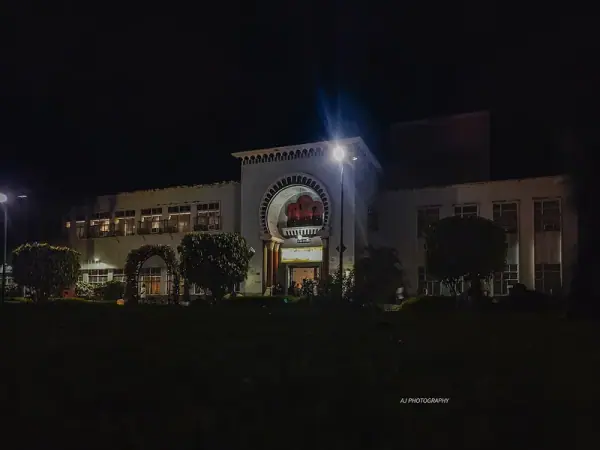
Maulana Azad Library, AMU
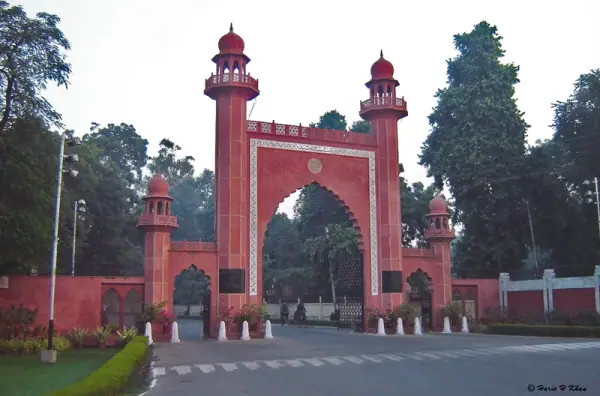
Bab-e-Sayyad (Main Gate, AMU)
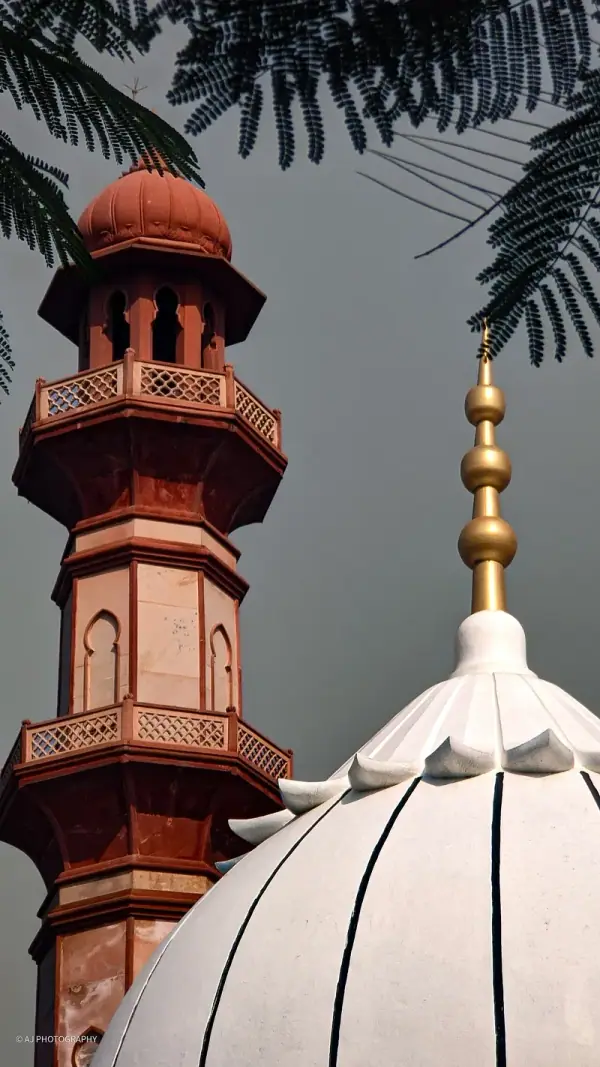
Sir Syed Mosque, AMU Campus
Why a pod hotel works in Aligarh
Aligarh has massive, diversified footfall — 2 lakh+ daily railway passengers, 18,000+ AMU students drawing families and exam candidates, 1,269-bed JNMC generating patient-attendant demand, and 6,000+ lock-industry units pulling trade buyers from across India — yet its accommodation stock is polarised between Rs 2,000+ business hotels and unbranded, poorly maintained lodges. There is virtually no clean, safe, air-conditioned accommodation in the Rs 800-1,100/night band that students' families, medical attendants, transit passengers and small-trade buyers actually need. A capsule pod hotel fills this gap with maximum bed density per square foot, OTA-friendly booking and 24/7 check-in — advantages no traditional budget hotel in Aligarh currently offers.
Aligarh is a high-volume transit and institutional city sitting on the Howrah-Delhi main line and the 6-lane NH-91 corridor, just 130 km from Delhi and 60 km from the new Noida International Airport (Jewar, opened June 2026). Over 200,000 passengers pass through Aligarh Junction daily on 130+ trains. The city draws a constant population of students and their families visiting Aligarh Muslim University (18,000+ enrolled, 80 hostels), medical attendants at the 1,269-bed JNMC Hospital, business travellers serving the lock-and-hardware manufacturing belt of 6,000+ units, Yamuna Expressway commuters, and heritage and pilgrimage visitors exploring the Aligarh Fort, Teerthdham Mangalayatan (one of India's largest Jain temples), and the newly designated Shekha Jheel Ramsar Wetland Site. Mathura-Vrindavan (66 km) and Agra with the Taj Mahal (98 km) sit within easy day-trip range, making Aligarh a logical budget base for tourists visiting the Golden Triangle circuit.
Best ways to use pods here
- Transit rest pods at Aligarh Junction for the 2 lakh+ daily passengers on the Howrah-Delhi main line (hourly nap + overnight)
- Student-visitor and exam-candidate pods near AMU campus gates during admissions, exams and convocation seasons
- Patient-attendant pods near JNMC Hospital for families accompanying referral patients from rural western UP
- Trade-buyer and supplier pods near the Sasni Gate lock market and brass-hardware manufacturing belt
- Budget base-camp pods for Golden Triangle tourists visiting Mathura-Vrindavan (66 km) and Agra/Taj Mahal (98 km)
Where the demand sits in Aligarh
Transit & travel
- •Aligarh Junction (ALJN) — A-class station on the Howrah-Delhi main line, 130+ daily trains, ~2 lakh passengers/day, Vande Bharat & Shatabdi services
- •NH-91 (6-lane Kolkata-Delhi national highway) passing through the city
- •NH-93 (Moradabad-Agra) intersecting at Aligarh
- •Yamuna Expressway (6-lane, toll ₹120) — Greater Noida / Agra corridor, 20 km from city
- •Noida International Airport (Jewar/DXN) — 60 km, opened June 2026, direct bus service ₹150-300
- •Aligarh Airport (Dhanipur) — civil aerodrome under development with AAI MoU
- •Major inter-city bus terminal connecting Delhi, Agra, Mathura, Lucknow, Meerut
Healthcare demand
- •Jawaharlal Nehru Medical College Hospital (JNMCH) — 1,269-bed tertiary care, 26 departments, PMSSY-upgraded trauma centre and cardiothoracic block
- •AMU Health Centre and specialty clinics on campus
- •Dufferin Hospital (women's hospital, one of the oldest in the region)
- •District Hospital Aligarh and multiple private nursing homes
- •Narora referral zone — patients from surrounding rural Doab districts funnelled to JNMC
Education & coaching
- •Aligarh Muslim University (AMU) — central university, 13 faculties, 300+ courses, 18,000+ students, 80 hostels, ranked 16th nationally (NIRF 2024)
- •Jawaharlal Nehru Medical College (JNMC) — MBBS/MD/MS/MCh, established 1962
- •Zakir Husain College of Engineering & Technology (est. 1935)
- •Raja Mahendra Pratap Singh State University Aligarh
- •Mangalayatan University (private, on Aligarh-Agra highway)
- •D.S. College, S.V. College, T.R. College and 50+ affiliated colleges
- •Coaching and competitive-exam preparation centres across the city
Industry & trade
- •Lock manufacturing cluster — 6,000+ registered units, 2 lakh artisans, 75% of India's lock production ('Tala Nagri')
- •Brass hardware, builder fittings and door hardware manufacturing (ODOP-supported)
- •Brass sculpture, bronze statues and die-casting industry (Indian Diecasting Industries at Sasni Gate)
- •Harduaganj Thermal Power Station (15 km from city)
- •Narora Atomic Power Station (50 km)
- •Agricultural trade and processing (Doab region — wheat, sugarcane, potato)
Tourism & pilgrimage
- •Aligarh Fort (Ramgarh Quila / Baunasaur Quila) — 16th-century fortress managed by AMU
- •Upper Fort (Balai Qila / Dor Fortress, 1524) — ruins and 18th-century mosque at city centre
- •AMU Campus Heritage Walk — Centenary Gate, Bab-e-Sayyad, Sir Syed Academy Museum, Maulana Azad Library, Sir Syed Mosque (Jama Masjid replica of Delhi's)
- •Teerthdham Mangalayatan — one of India's largest Jain temples (16 acres, Aligarh-Agra Highway)
- •Khereshwar Temple — ancient Shiva shrine with 'invisible Shiva Linga', birthplace of Swami Haridas Ji
- •Achleshwar Mahadev Temple on Achal Taal lake
- •Shekha Jheel Bird Sanctuary — India's 99th Ramsar site, 249 bird species, 17 km from city
- •Mathura-Vrindavan (66 km) — Krishna Janmabhoomi, Banke Bihari, Prem Mandir
- •Agra (98 km) — Taj Mahal, Agra Fort, Fatehpur Sikri (UNESCO World Heritage)
Profit & ROI projection for Aligarh
A starter model based on a minimum 50 pods at 70% occupancy and an indicative ₹1,000/pod/night. Costs use the same itemised basis as our full ROI calculator — pods, add-ons, 18% GST, transport, fit-out and full monthly running cost.
Important: this is only an ASSUMPTION-based projection — not an accurate quote or a guarantee.
The real cost, occupancy, pricing and profit will change with your exact location, property rent, season, competition and how you run the business. Treat these figures as a planning estimate only. For real numbers, use the full calculator or get a custom quote from BIDUA.
Total investment
₹90.7 lakh
50 pods + add-ons + GST + fit-out
Monthly revenue
₹10.5 lakh
35 of 50 pods filled/night
Monthly net profit
₹5.2 lakh
50% margin after all costs
Payback
~17 mo
69% annual ROI
Break-even occupancy ≈ 25% — you only need this much filled to cover all costs; everything above is profit.
| 50 pods (BIDUA mix) | ₹40,30,000 |
| Add-ons (mattress, bedding, panels, safe lock, table) | ₹16,25,200 |
| GST @ 18% (pods + add-ons) | ₹10,17,936 |
| Transport (warehouse → site) | ₹4,00,000 |
| Fit-out, AC, reception, branding + rent deposit | ₹20,00,000 |
| Total investment | ₹90,73,136 |
| Revenue (50 × 70% × ₹1,000 × 30) | ₹10,50,000 |
| Fixed costs (rent, staff, power, housekeeping…) | – ₹2,87,000 |
| Variable (OTA + marketing + gateway, 23%) | – ₹2,41,500 |
| Net profit / month | ₹5,21,500 |
| Net profit / year | ₹62,58,000 |
Aligarh is a strong Tier-2 city with institutional demand (AMU + JNMC) and industrial traffic (lock belt) that supports year-round occupancy. Rents are well below Delhi-NCR levels while footfall rivals much larger cities. These are indicative assumptions for illustration — not a guarantee of returns. Actual results depend on location, execution and market conditions. Figures are indicative estimates, not guarantees.
Aligarh pod-hotel business plan & study
A step-by-step plan to launch a capsule / sleeping-pod hotel in Aligarh — from picking the right location to licences, setup, pricing and reaching profitable occupancy.
Demand drivers
28+
transit, hospital, student & tourism footfall points
Space needed (50 pods)
2250–2750 sq ft
single rented floor + reception & washrooms
Break-even occupancy
25%
fill above this and you are in profit
Indicative payback
~17 months
on ₹90.7 lakh all-in setup
1. Pick the right location
Target a floor near Jawaharlal Nehru Medical College Hospital (JNMCH) — 1,269-bed tertiary care, 26 departments, PMSSY-upgraded trauma centre and cardiothoracic block or NH-91 (6-lane Kolkata-Delhi national highway) passing through the city. Best opening use-case: Transit rest pods at Aligarh Junction for the 2 lakh+ daily passengers on the Howrah-Delhi main line (hourly nap + overnight).
2. Plan investment & funding
Budget about ₹90.7 lakh all-in for 50 pods (pods + add-ons + 18% GST + transport + fit-out & deposit). Many operators fund this with a mix of own capital + a small business/MSME loan against projected cash flow.
3. Licences & compliance
Arrange a municipal trade licence, GST registration, fire safety NOC, police/guest verification (where required), and basic building & sanitation approvals before launch.
4. Build & launch
BIDUA shares a free 3D layout, then delivers and helps install the pods. Civil, electrical, AC and reception fit-out typically takes ~30–45 days, so you can open quickly on a leased floor.
5. Pricing & operations
Start at ~₹1,000/pod/night, and add hourly slots near hospitals for day-rest demand. Run lean with a small reception + housekeeping team; keep pods clean, private and secure to earn repeat stays.
6. Marketing & occupancy
List on OTAs (MakeMyTrip, Booking.com, OYO, Goibibo) + Google Business Profile, and tie up with nearby hospitals, coaching institutes and tour operators to push occupancy past the 25% break-even quickly.
Key risks & how to manage them
Low occupancy in early months. Open with OTA listings + hospital/coaching tie-ups; use hourly pricing to fill day-time.
High rent eating margins. Choose a slightly off-main but accessible floor near Aligarh Junction (ALJN) — A-class station on the Howrah-Delhi main line, 130+ daily trains, ~2 lakh passengers/day, Vande Bharat & Shatabdi services; rent is the biggest lever.
Seasonality / exam & festival peaks. Flex pricing up in peak weeks; offer weekly/monthly pod rentals to students for a stable base.
Cleanliness & safety complaints. Invest in housekeeping, safe locks and CCTV — reputation drives repeat and OTA ratings.
Recommended pod setup for Aligarh
Start with 50 pods in a single 3,000-4,000 sq ft property near Aligarh Junction or AMU Medical Road. Use Made-in-India FRP horizontal pods for the core (cost-efficient, easy maintenance) with a premium ABS block of 8-10 pods for business travellers and Golden Triangle tourists willing to pay more. Scale to 70-90 pods across two locations (station + hospital corridor) as occupancy data confirms.
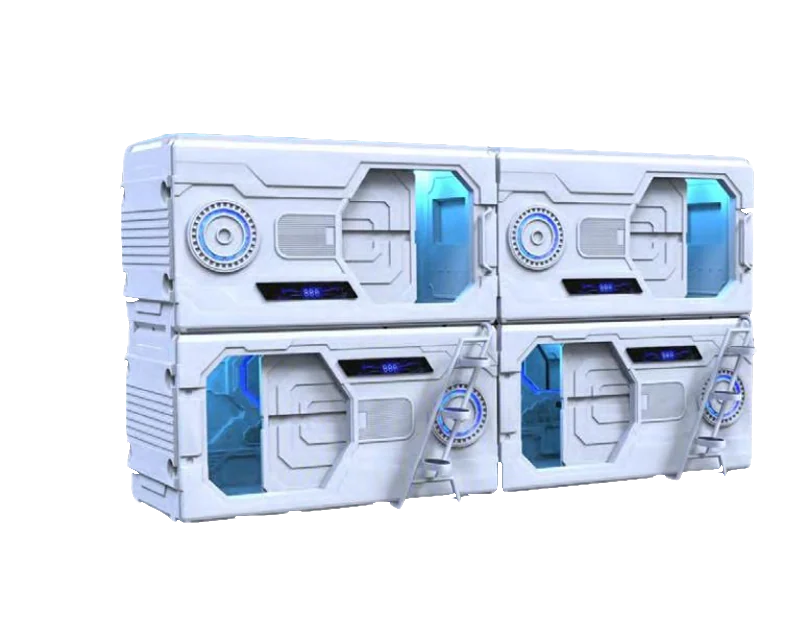
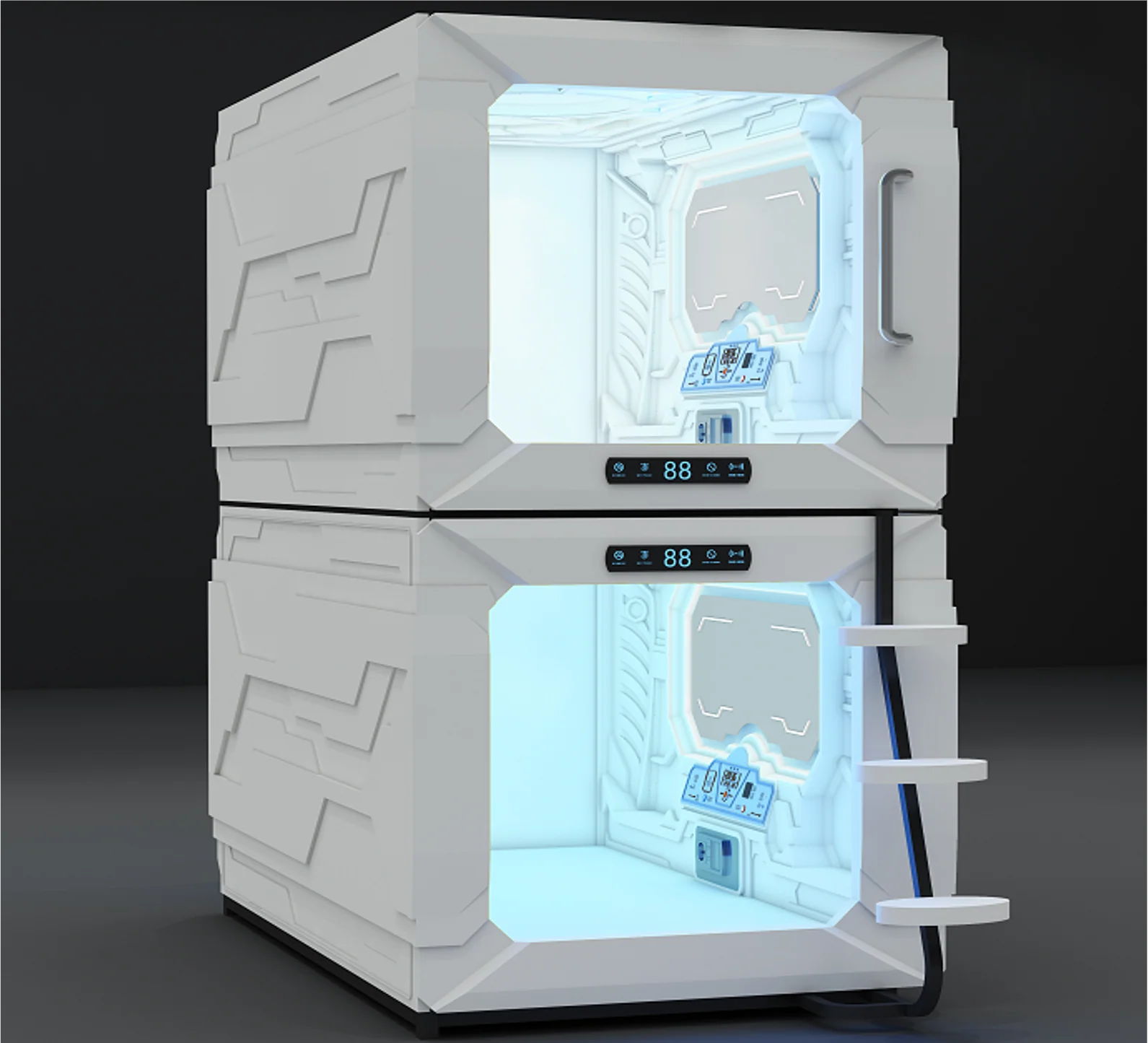
GALAXY Series - Horizontal Single
Standard ABS shell with metal frame featuring TV slot, security sliding door, and ergonomic non-slip ladder. Perfect for hotels, airports, and commercial applications.
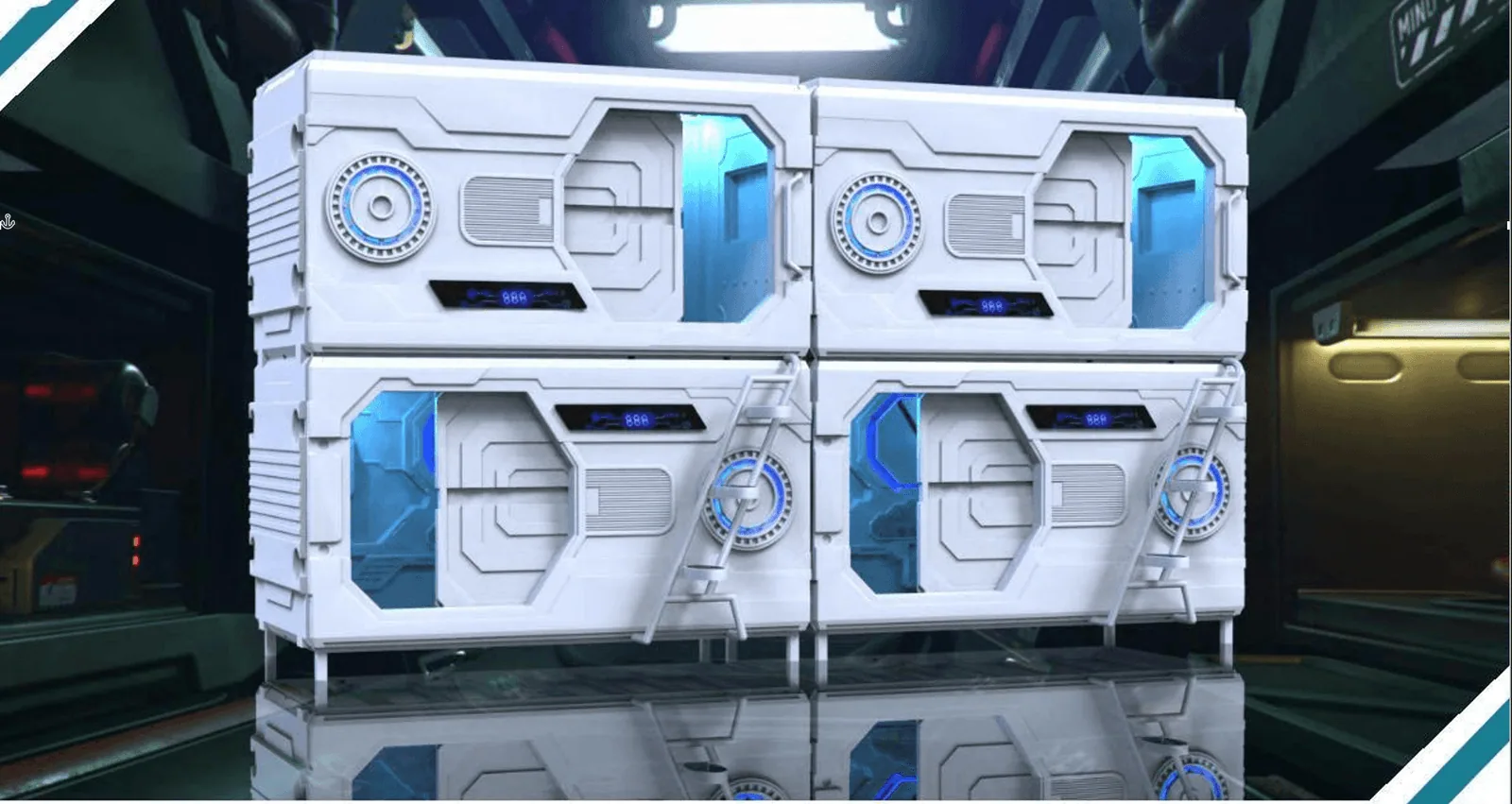
SPACE Series - Horizontal Single
Standard SPACE series with mirror panel, sliding door, TV slot, and intelligent LED controls. Perfect for hotels and commercial applications.
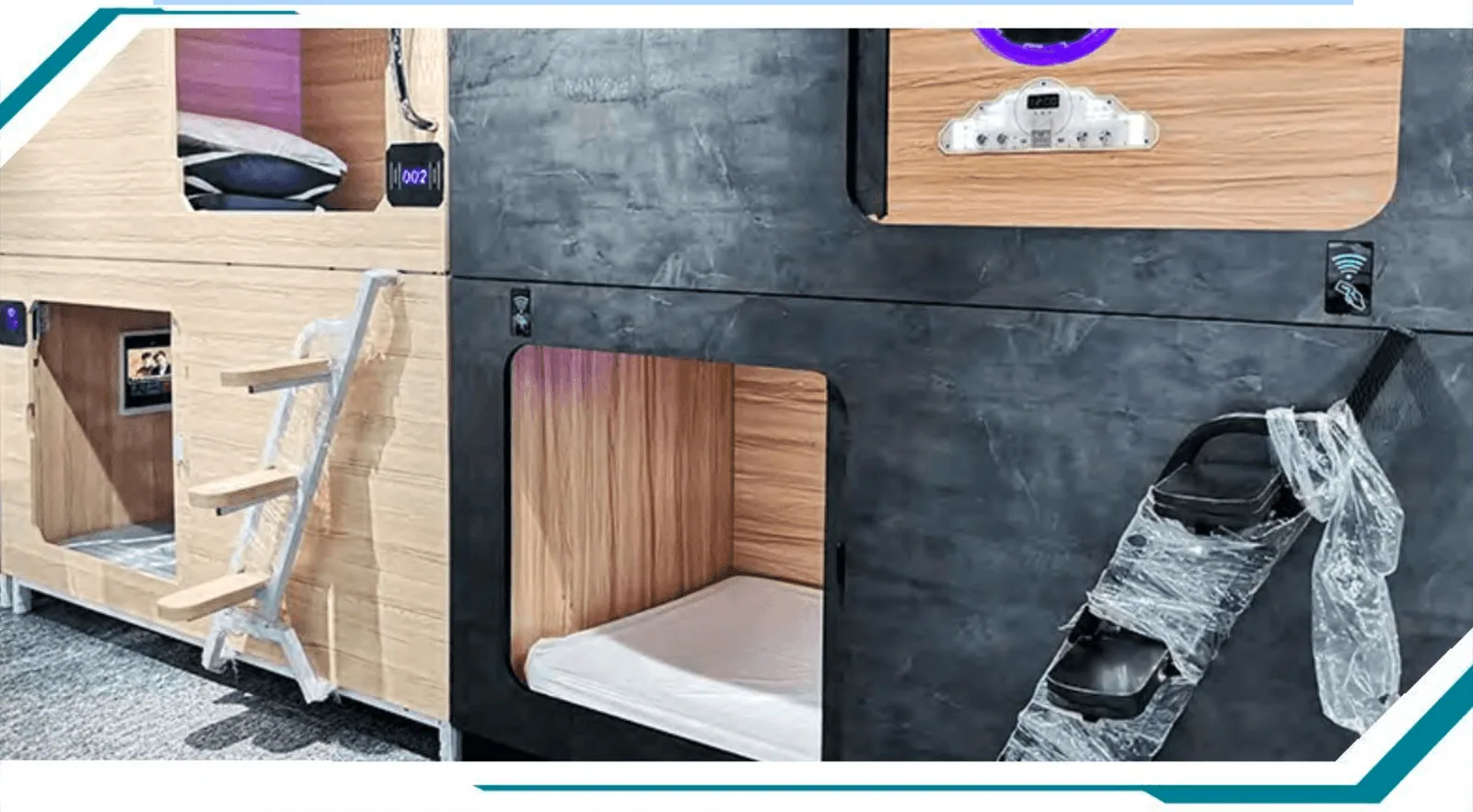
Wooden Series - Horizontal Single
Premium eco multi-layer board construction with metal frame, offering natural wood-grain aesthetics while maintaining all essential capsule bed features.
Market deep-dive
The Aligarh pod-hotel opportunity
Aligarh's identity is forged in metal. Known as Tala Nagri — the City of Locks — this Uttar Pradesh district has been India's lock-making capital since 1890, when the first small-scale units began shaping padlocks and latches in the narrow lanes around Sasni Gate. Today over six thousand registered workshops and two lakh artisans produce an estimated seventy-five per cent of every lock manufactured in the country, from bicycle padlocks to high-security mortise systems exported worldwide. Alongside locks, a thriving ecosystem of brass hardware, bronze sculpture, builder fittings and die-casting has taken root — Aligarh's name appears on door handles, cabinet knobs and decorative idols in homes and hotels across continents. This manufacturing density means a constant flow of trade buyers, raw-material suppliers and migrant labour moving through the city, all needing affordable, clean overnight accommodation that the current hotel stock struggles to provide.
If locks are Aligarh's economic backbone, Aligarh Muslim University is its intellectual soul. Founded as a madrasa by Sir Syed Ahmad Khan in 1875 and elevated to university status in 1920, AMU sprawls across 1,155 acres with thirteen faculties, eighty hostels and over eighteen thousand enrolled students — a self-contained township whose population swells further during admissions, examinations and convocation. The Jawaharlal Nehru Medical College within AMU operates a 1,269-bed tertiary hospital that serves as the referral centre for the entire western UP Doab, drawing patient attendants who often need beds for days on end. Add the coaching centres, competitive-exam candidates, conference delegates and the families arriving every weekend, and the education-healthcare axis alone generates year-round demand for hundreds of budget short-stay beds — a gap that sleeping pods fill far more efficiently than dharamshalas or overpriced hotels.
Aligarh's geography amplifies its pod potential. The city sits on the Howrah–Delhi main line, and Aligarh Junction handles over 130 trains and roughly two lakh passengers daily — including Vande Bharat and Shatabdi services — making it one of the busiest non-metro stations in northern India. The six-lane NH-91 and the Yamuna Expressway bracket the district, while the newly opened Noida International Airport at Jewar lies just sixty kilometres away, now drawing air travellers who previously bypassed the region. Mathura-Vrindavan, the Krishna pilgrimage complex, is sixty-six kilometres south; Agra and the Taj Mahal sit ninety-eight kilometres down the expressway. These mega-hubs send spillover tourist demand back toward Aligarh, where a pod hotel can serve as a budget base camp for Golden Triangle visitors — a positioning no other accommodation format in the city currently offers.
Within the district itself, heritage and nature add depth to the demand story. The sixteenth-century Aligarh Fort, once besieged in the Battle of Aligarh during the Second Anglo-Maratha War of 1803, still stands as a monument managed by AMU. Teerthdham Mangalayatan, spread across sixteen acres on the Aligarh-Agra Highway, ranks among India's largest Jain temple complexes and draws devout visitors year-round. The ancient Khereshwar Temple — revered as the birthplace of Swami Haridas Ji — and Achleshwar Mahadev on the banks of Achal Taal add Hindu pilgrimage flow. And Shekha Jheel, a freshwater lake seventeen kilometres from the city, was recently designated India's ninety-ninth Ramsar Wetland Site, with 249 recorded bird species attracting birdwatchers and eco-tourists. A pod hotel near Aligarh Junction or the AMU Medical Road corridor captures all of these streams — transit passengers, student families, patient attendants, trade buyers, pilgrims and eco-tourists — in a single, efficiently run property.
Aligarh pod hotel — FAQs
Is a capsule hotel or sleeping-pod business viable in Aligarh?+
Extremely viable. Aligarh has four independent, year-round demand streams that most Tier-2 cities lack: (1) AMU's 18,000+ residential students generate a constant flow of visiting families, exam candidates and conference attendees needing 1-3 night stays; (2) JNMC Hospital's 1,269 beds mean hundreds of patient attendants daily needing affordable overnight accommodation; (3) the lock-and-hardware belt pulls buyers, suppliers and labour from across India; and (4) Aligarh Junction handles 2 lakh+ passengers/day, many in overnight transit. Capsule pods in the Rs 800-1,100/night range fill the exact gap between expensive hotels and unsafe dharamshalas — clean, private, air-conditioned beds at budget prices.
Where is the best location for a pod hotel or nap-pod facility in Aligarh?+
Three zones stand out. First, near Aligarh Junction railway station — the highest footfall zone with 130+ trains daily and overnight passengers needing rest pods or hourly nap pods between connections. Second, near the AMU campus gates (especially the Medical Road / JNMC side) to serve student visitors, patient attendants and university conference guests. Third, on the GT Road / NH-91 commercial stretch near the lock-market area to capture business travellers and trade buyers. A 3,000-4,000 sq ft floor in any of these zones is ideal for a 50-pod setup.
How much does it cost to start a 50-pod Japanese-style capsule hotel in Aligarh?+
Indicatively Rs 85-92 lakh all-in for 50 pods: the pods plus per-pod add-ons (mattress, bedding, side panels, safe lock, foldable table) plus 18% GST plus pan-India transport works out to roughly Rs 72 lakh. Add about Rs 15-20 lakh for interior fit-out (AC, plumbing, washrooms, reception, branding) and rent deposit. This is the same line-by-line basis as BIDUA's online ROI calculator. Aligarh's Tier-2 rents and labour costs keep opex substantially below Delhi/NCR levels while the city's heavy institutional traffic supports strong occupancy.
What occupancy and monthly income can I expect from a pod hotel in Aligarh?+
At a conservative 70% occupancy on 50 pods at Rs 1,000/night, gross monthly revenue is around Rs 10.5 lakh. After full operating costs — rent (~Rs 80,000), staff salaries, electricity, housekeeping, laundry, OTA commissions, marketing and payment gateway fees — indicative monthly net profit is in the Rs 4-5 lakh range, pointing to a payback period of roughly 18-22 months. AMU exam seasons (March-May, October-November), JNMC admissions and the winter wedding-travel surge can push occupancy above 85%, lifting annual yield above the flat estimate. These are indicative projections, not guarantees.
Do budget travellers and students actually use Chinese or Japanese-style pod hotels?+
Yes — and Aligarh's demographic is ideal for adoption. AMU students and their families are young, tech-savvy and value-conscious — exactly the profile that books capsule hotels on OTAs. Patient attendants at JNMC need nothing more than a clean, private, air-conditioned bed for one or two nights at the lowest possible price. Lock-industry trade buyers visiting from other states want safe, comfortable rest without paying Rs 2,500+ for a full hotel room. The pod format — personal pod with light, fan, USB charging, curtain/door and locker — delivers precisely what each of these segments needs at Rs 800-1,100/night.
Can a pod hotel in Aligarh also serve hourly bookings and transit nap pods?+
Absolutely — and the transit case is especially strong here. Aligarh Junction is on the Howrah-Delhi main line with passengers often arriving at odd hours between connections or waiting for delayed trains. Hourly nap pods (Rs 150-250/hour) turn dead platform-waiting time into revenue. Similarly, Yamuna Expressway travellers between Delhi/Noida and Agra pass within 20 km of the city and may want a 2-4 hour rest stop. An hourly + nightly hybrid model maximises pod utilisation and distinguishes your property from traditional hotels that only offer full-night bookings.
Start your Aligarh pod hotel with BIDUA
Sign up to design your space in 3D, build a presentation, and get a quotation + ROI from one dashboard — or talk to our team for a custom Aligarh plan.