Tier 3 pod-hotel market · Uttar Pradesh
Sleeping Pods & Capsule Hotel in Bahraich — Gateway to Nepal, Katarniaghat & Shravasti
A Category-A minority-concentrated district with Hindi/Urdu/Awadhi speakers, a young population growing at nearly 30% per decade, and a literacy rate of just 49% — signalling rapid urbanisation pressure and rising demand for modern infrastructure including budget hospitality.
Population & catchment
Bahraich district has a population of approximately 34.9 lakh (3,487,731 per 2011 Census, est. ~42-44 lakh by 2026 given 29% decade growth), ranking 89th among India's 640 districts — a large, densely populated Terai-border district.
Urban pull
Only ~8.1% of the district is urban (Bahraich city ~1.86 lakh). The overwhelmingly rural population (92%) is spread across 1,392 revenue villages and 14 development blocks — creating vast underserved demand for clean, affordable short-stay accommodation.
Economic base
Bahraich is the Indo-Nepal trade gateway of eastern Uttar Pradesh, with the 115-acre Rupaidiha Land Port channelling Rs 8,500 crore in annual bilateral commerce. Its economy rests on agriculture (rice, wheat, sugarcane, mustard), sugar milling (three major mills at Chilwaria, Nanpara, and Jarwal Road), forest-based industries (timber, kattha extraction), and the massive cross-border retail trade where Nepali buyers sustain entire border-town bazaars. The newly opened government medical college and the under-construction 4-lane NH-927 are catalysing a services-sector transition.
Around Bahraich
Key landmarks and footfall hubs that drive short-stay demand in Bahraich.
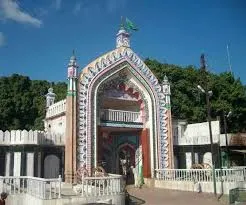
Dargah of Syed Salar Masud Ghazi, Bahraich
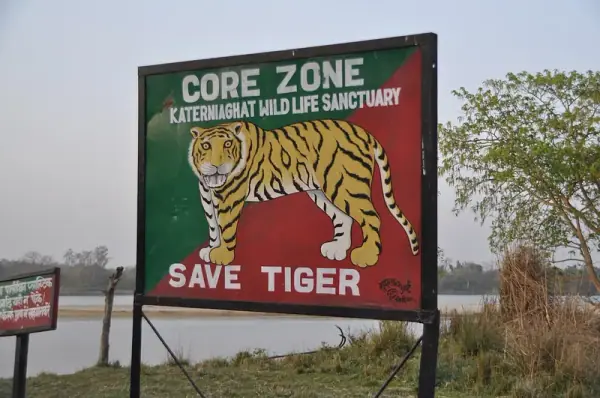
Katarniaghat Wildlife Sanctuary, Bahraich
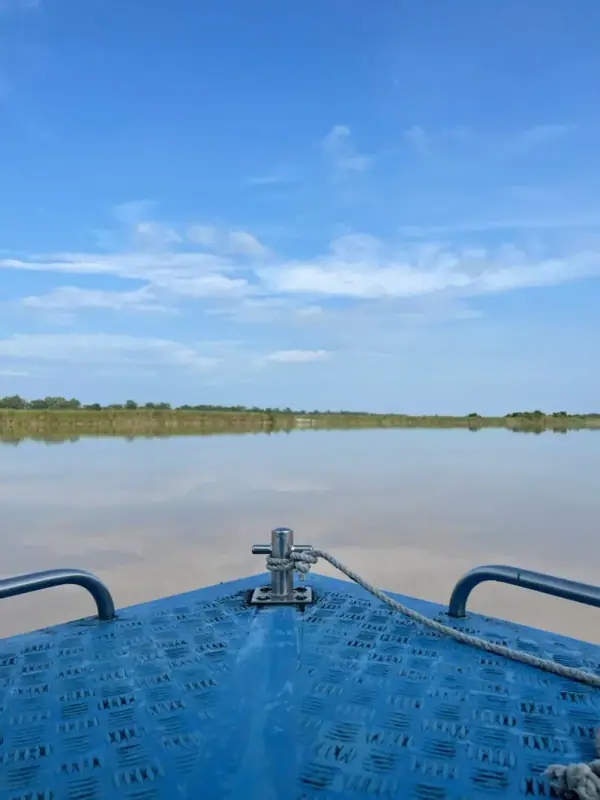
Boating on Gerua River, Katarniaghat

Ghaghra (Saryu) River, Bahraich
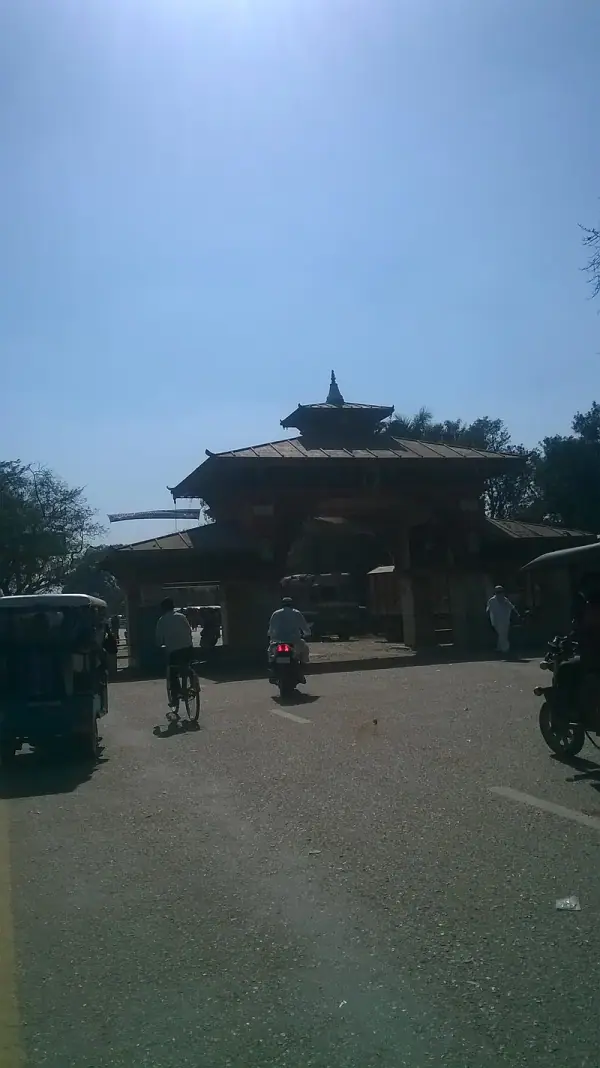
India-Nepal Border at Bahraich (Rupaidiha)
Why a pod hotel works in Bahraich
Bahraich handles Rs 8,500 crore in annual Indo-Nepal trade, hosts part of the Dudhwa Tiger Reserve, draws lakhs of pilgrims to its interfaith shrines, and has a new government medical college — yet it has fewer than a dozen budget hotels in the entire city, with no branded or pod-format accommodation. During trade peaks, the annual Dargah Urs fair, and the October-March wildlife safari season, available rooms sell out entirely and travellers sleep in vehicles or on station platforms. BIDUA Pods would be the first capsule/pod hotel in the entire Devipatan Division.
Bahraich's travel demand is driven by a distinctive mix of cross-border commerce, wildlife eco-tourism, religious pilgrimage, and its role as a gateway to Buddhist and Hindu mega-sites. The Rs 8,500-crore annual Indo-Nepal trade through the Rupaidiha Land Port generates a constant stream of traders, truckers, and customs officials needing overnight stays. Katarniaghat Wildlife Sanctuary (part of Dudhwa Tiger Reserve) draws nature tourists and researchers year-round. The millennium-old Dargah of Syed Salar Masud Ghazi pulls lakhs of pilgrims during its annual Urs fair, while the new Maharaja Suheldev Memorial complex attracts heritage visitors. Shravasti's Jetavana Monastery (48 km) feeds Buddhist pilgrimage traffic, and Ayodhya's Ram Mandir (150 km) sends overflow demand northward. Medical attendants at the district's new government medical college, students at local degree colleges, and Indo-Nepal border security personnel all add daily short-stay demand.
Best ways to use pods here
- Near Rupaidiha Land Port / NH-927 corridor — serving Indo-Nepal traders, truckers, customs officials, and SSB border personnel with 24/7 short-stay pods
- Adjacent to Bahraich Railway Station (BRK) — capturing transit passengers on the 24-train Lucknow–Gonda–Gorakhpur rail route
- Near Maharaja Suhel Dev Medical College & Maharishi Balark Hospital — patient attendants and visiting medical staff needing affordable overnight stays
- Bahraich city centre (Chowk Bazaar / Dargah complex area) — pilgrims visiting the Ghazi Miyan Dargah Urs and Maharaja Suheldev Memorial
- Along the Katarniaghat Wildlife Sanctuary approach road — eco-tourists, wildlife photographers, and forest department staff staging before safaris
Where the demand sits in Bahraich
Transit & travel
- •Bahraich Railway Station (BRK) — broad-gauge, 24 daily trains to Lucknow, Gonda, Gorakhpur
- •NH-927 (4-lane Barabanki–Bahraich highway under construction, Rs 6,969 crore project)
- •Rupaidiha Indo-Nepal Land Port (115-acre integrated checkpoint, Rs 206 crore facility)
- •Ayodhya Airport (AYJ) — nearest domestic airport, ~107 km
- •Chaudhary Charan Singh International Airport, Lucknow (LKO) — ~125 km, international connectivity
- •UPSRTC bus terminal — buses every 15 minutes to Lucknow; services to Gonda, Balrampur, Shravasti
Healthcare demand
- •Maharaja Suhel Dev Autonomous State Medical College & Maharishi Balark Hospital (100 MBBS + PG seats, major referral centre)
- •District Hospital, Bahraich (multi-specialty government hospital)
- •CHCs and PHCs across 14 blocks serving 35-lakh rural population
- •Private nursing homes in Bahraich city catering to Nepal-border catchment
Education & coaching
- •Maharaja Suhel Dev Autonomous State Medical College (est. 2019, 100 MBBS seats)
- •Kisan Post Graduate College, Bahraich
- •Azad Inter College, Bahraich
- •Sir Syed Girls Inter College & Tara Girls Inter College
- •15+ B.Ed / teacher-training colleges across the district
Industry & trade
- •Rupaidiha Indo-Nepal Land Port — Rs 8,500 crore annual bilateral trade hub
- •Simbhaolia Sugar Mills Ltd, Chilwaria (sugarcane processing)
- •Shravasti Kisan Sahakari Chini Mills, Nanpara (cooperative sugar mill)
- •UP State Sugar Corporation Ltd, Jarwal Road, Bahraich
- •Goel Industries & paddy/rice processing units (dal mills, rice shellers)
- •Kattha factories, Mihinpurwa block (forest-based Acacia extract industry)
Tourism & pilgrimage
- •Katarniaghat Wildlife Sanctuary — 400 sq km Terai forest, part of Dudhwa Tiger Reserve (tigers, gharials, 350+ bird species)
- •Dargah of Syed Salar Masud Ghazi — 1,000-year-old shrine, annual Urs fair drawing lakhs of Hindu & Muslim pilgrims
- •Maharaja Suheldev Memorial — 40-ft bronze statue & heritage complex at Chittaura Lake (Rs 40 crore project)
- •Shravasti / Jetavana Monastery — major Buddhist pilgrimage site (48 km from Bahraich)
- •Ayodhya Ram Mandir — India's biggest new pilgrimage magnet (150 km, 2.5-hr drive)
- •Ghaghra (Saryu) River ghats and Mari Mata Temple on the riverbank
- •Bahraich Clock Tower & Chowk Bazaar — colonial-era heritage in the old city
Profit & ROI projection for Bahraich
A starter model based on a minimum 50 pods at 70% occupancy and an indicative ₹700/pod/night. Costs use the same itemised basis as our full ROI calculator — pods, add-ons, 18% GST, transport, fit-out and full monthly running cost.
Important: this is only an ASSUMPTION-based projection — not an accurate quote or a guarantee.
The real cost, occupancy, pricing and profit will change with your exact location, property rent, season, competition and how you run the business. Treat these figures as a planning estimate only. For real numbers, use the full calculator or get a custom quote from BIDUA.
Total investment
₹75.7 lakh
50 pods + add-ons + GST + fit-out
Monthly revenue
₹7.3 lakh
35 of 50 pods filled/night
Monthly net profit
₹3.2 lakh
44% margin after all costs
Payback
~23 mo
51% annual ROI
Break-even occupancy ≈ 30% — you only need this much filled to cover all costs; everything above is profit.
| 50 pods (BIDUA mix) | ₹40,30,000 |
| Add-ons (mattress, bedding, panels, safe lock, table) | ₹16,25,200 |
| GST @ 18% (pods + add-ons) | ₹10,17,936 |
| Transport (warehouse → site) | ₹4,00,000 |
| Fit-out, AC, reception, branding + rent deposit | ₹5,00,000 |
| Total investment | ₹75,73,136 |
| Revenue (50 × 70% × ₹700 × 30) | ₹7,35,000 |
| Fixed costs (rent, staff, power, housekeeping…) | – ₹2,42,000 |
| Variable (OTA + marketing + gateway, 23%) | – ₹1,69,050 |
| Net profit / month | ₹3,23,950 |
| Net profit / year | ₹38,87,400 |
Indicative Tier-3 assumptions for a ~3,500 sq ft floor in Bahraich town; actual rent, ADR, and occupancy will vary by exact location, season, and operator execution. These figures feed the shared ROI model and are not a guarantee of returns. Figures are indicative estimates, not guarantees.
Bahraich pod-hotel business plan & study
A step-by-step plan to launch a capsule / sleeping-pod hotel in Bahraich — from picking the right location to licences, setup, pricing and reaching profitable occupancy.
Demand drivers
22+
transit, hospital, student & tourism footfall points
Space needed (50 pods)
2250–2750 sq ft
single rented floor + reception & washrooms
Break-even occupancy
30%
fill above this and you are in profit
Indicative payback
~23 months
on ₹75.7 lakh all-in setup
1. Pick the right location
Target a floor near Maharaja Suhel Dev Autonomous State Medical College & Maharishi Balark Hospital (100 MBBS + PG seats, major referral centre) or NH-927 (4-lane Barabanki–Bahraich highway under construction, Rs 6,969 crore project). Best opening use-case: Near Rupaidiha Land Port / NH-927 corridor — serving Indo-Nepal traders, truckers, customs officials, and SSB border personnel with 24/7 short-stay pods.
2. Plan investment & funding
Budget about ₹75.7 lakh all-in for 50 pods (pods + add-ons + 18% GST + transport + fit-out & deposit). Many operators fund this with a mix of own capital + a small business/MSME loan against projected cash flow.
3. Licences & compliance
Arrange a municipal trade licence, GST registration, fire safety NOC, police/guest verification (where required), and basic building & sanitation approvals before launch.
4. Build & launch
BIDUA shares a free 3D layout, then delivers and helps install the pods. Civil, electrical, AC and reception fit-out typically takes ~30–45 days, so you can open quickly on a leased floor.
5. Pricing & operations
Start at ~₹700/pod/night, and add hourly slots near hospitals for day-rest demand. Run lean with a small reception + housekeeping team; keep pods clean, private and secure to earn repeat stays.
6. Marketing & occupancy
List on OTAs (MakeMyTrip, Booking.com, OYO, Goibibo) + Google Business Profile, and tie up with nearby hospitals, coaching institutes and tour operators to push occupancy past the 30% break-even quickly.
Key risks & how to manage them
Low occupancy in early months. Open with OTA listings + hospital/coaching tie-ups; use hourly pricing to fill day-time.
High rent eating margins. Choose a slightly off-main but accessible floor near Bahraich Railway Station (BRK) — broad-gauge, 24 daily trains to Lucknow, Gonda, Gorakhpur; rent is the biggest lever.
Seasonality / exam & festival peaks. Flex pricing up in peak weeks; offer weekly/monthly pod rentals to students for a stable base.
Cleanliness & safety complaints. Invest in housekeeping, safe locks and CCTV — reputation drives repeat and OTA ratings.
Recommended pod setup for Bahraich
50-pod mixed installation: 30 standard single pods (traders, transit passengers, attendants), 10 double/family pods (pilgrims, tourist couples), 10 premium pods with locker storage (wildlife tourists, longer-stay researchers). Include 24/7 reception, CCTV, luggage storage, hot showers, and a small canteen — essential for border-trade and pilgrimage clientele.

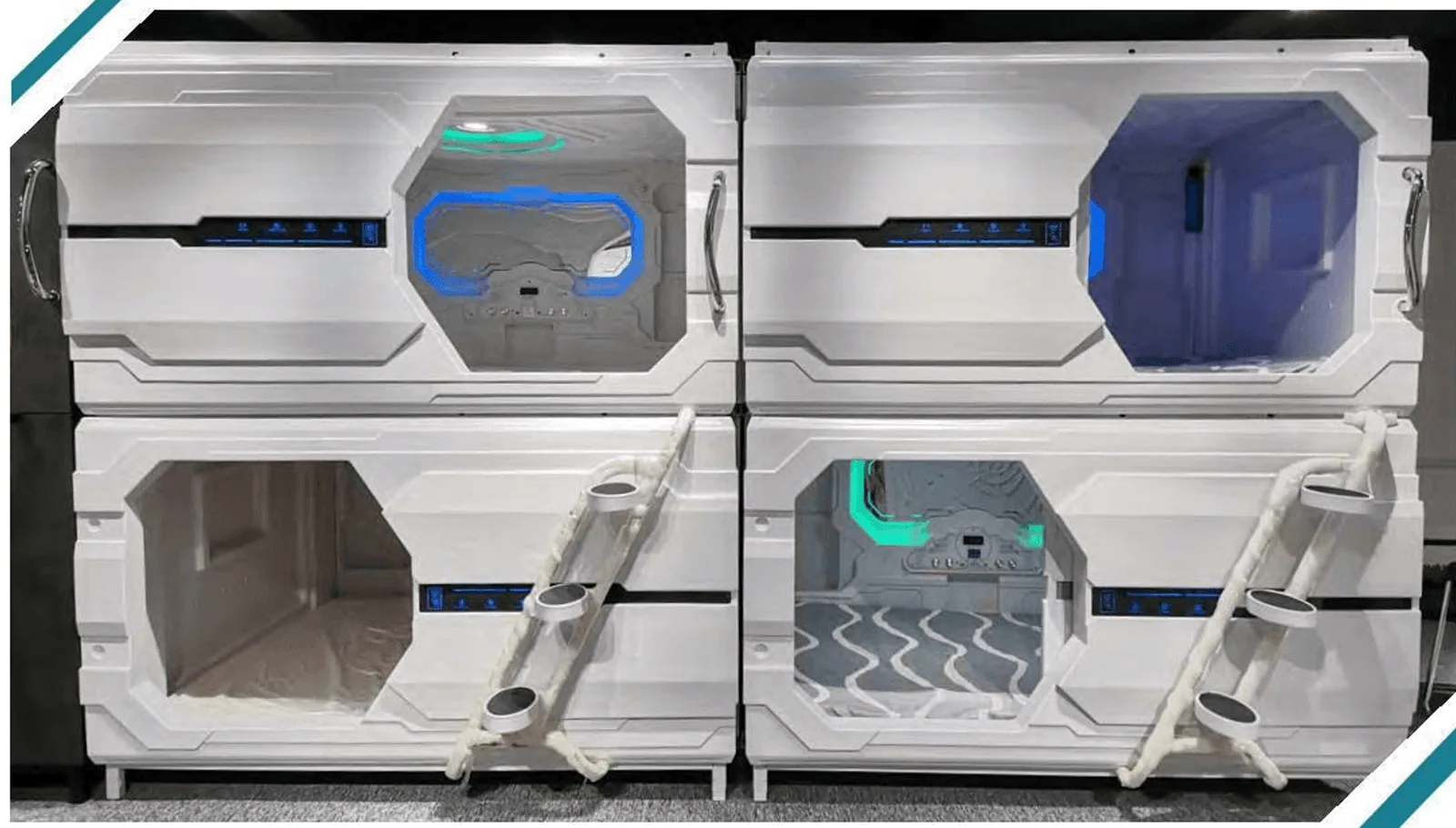
GALAXY Series - Horizontal Single
Standard ABS shell with metal frame featuring TV slot, security sliding door, and ergonomic non-slip ladder. Perfect for hotels, airports, and commercial applications.
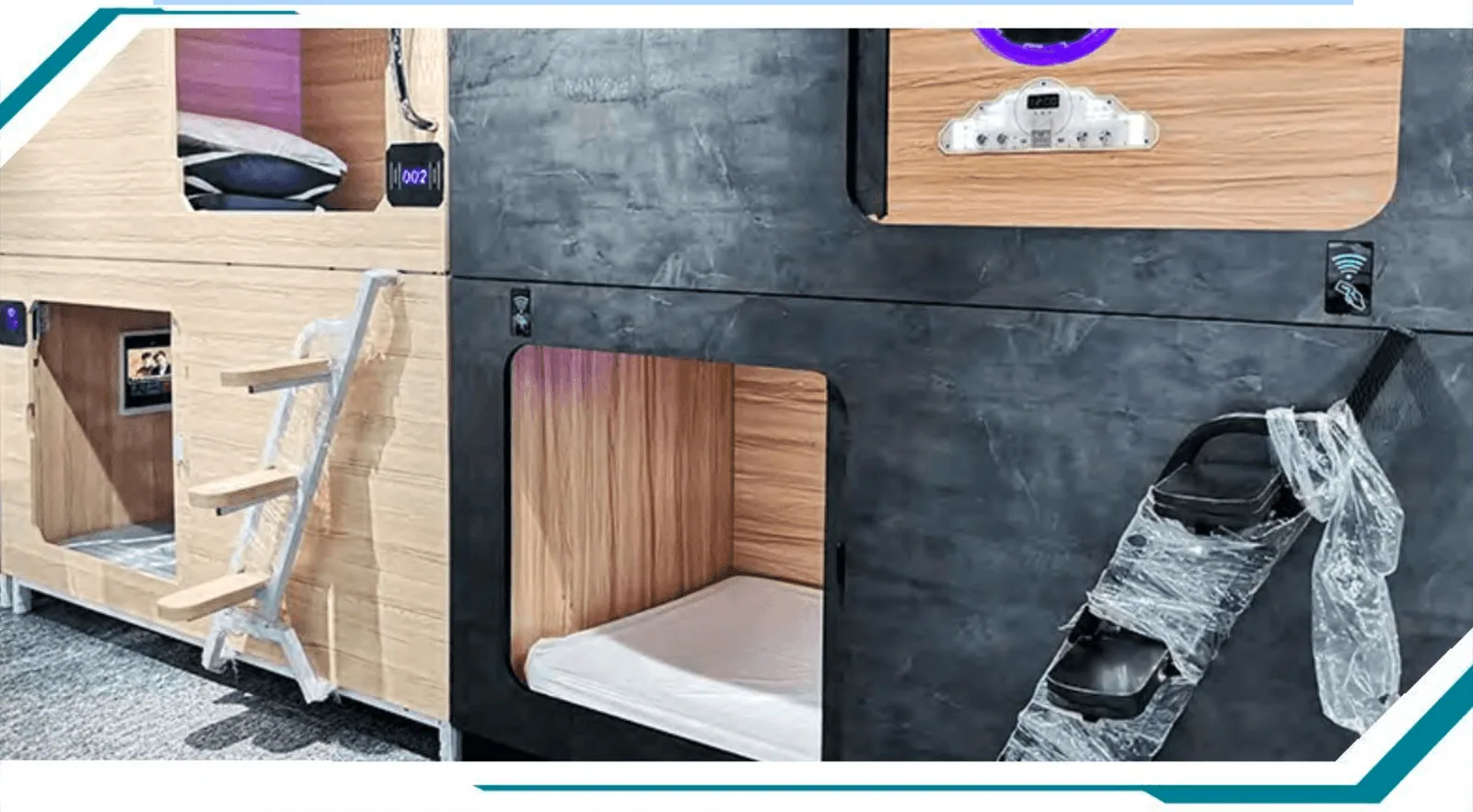
Wooden Series - Horizontal Single
Premium eco multi-layer board construction with metal frame, offering natural wood-grain aesthetics while maintaining all essential capsule bed features.
Market deep-dive
The Bahraich pod-hotel opportunity
Bahraich is where the Terai forests meet the Indo-Nepal frontier, giving it an identity unlike any other Uttar Pradesh district. Founded along the banks of the Ghaghra (Saryu) river, the town has been a crossroads of civilisations for a millennium — from the legendary 1034 CE Battle of Bahraich, where Maharaja Suheldev of Shravasti defeated and killed the Ghaznavid general Syed Salar Masud, to today's bustling Rupaidiha Land Port handling Rs 8,500 crore in annual bilateral trade with Nepal. The 115-acre integrated checkpoint, trucks queuing for customs clearance, traders negotiating rice and petroleum deals, and SSB jawans patrolling the open border all generate a constant, year-round demand for clean, private, affordable overnight accommodation — exactly the gap that sleeping pods are designed to fill.
The district's wildlife credentials are world-class. Katarniaghat Wildlife Sanctuary, spread across 400 square kilometres of pristine sal and teak forest, is one of the last places on earth where gharials can be observed in the wild along the Gerua River. Part of the Dudhwa Tiger Reserve and a vital ecological corridor connecting Indian tiger habitats to Nepal's Bardia National Park, the sanctuary shelters Bengal tigers, leopards, Asian elephants, swamp deer, Gangetic dolphins, and over 350 bird species including hornbills and sarus cranes. Eco-tourists, wildlife photographers, and researchers arriving for multi-day safaris need base-camp accommodation in Bahraich before heading to the forest ranges — a demand currently served by a handful of spartan guesthouses that pod hotels can dramatically upgrade in comfort and hygiene.
Bahraich is also a pilgrimage nerve-centre with rare interfaith character. The Dargah of Syed Salar Masud Ghazi, built over the warrior-saint's 11th-century tomb, has drawn Hindu and Muslim devotees together for nearly a thousand years — the Mughal-era traveller Ibn Battuta recorded its fame in 1341. The annual Urs fair fills the town to overflowing, and the newly inaugurated Maharaja Suheldev Memorial with its 40-foot bronze statue on Chittaura Lake adds a heritage-tourism dimension. Just 48 kilometres away, Shravasti's Jetavana Monastery — where the Buddha spent 19 of his 45 monsoon retreats — anchors the Buddhist pilgrimage circuit, while Ayodhya's Ram Mandir, India's biggest new pilgrimage magnet, is only a 2.5-hour drive south. This convergence of faiths and monuments means Bahraich sees pilgrim surges across seasons, each one straining the town's thin hotel supply.
The business case for BIDUA Pods in Bahraich rests on infrastructure transformation that is already underway. The Rs 6,969-crore, 4-lane access-controlled NH-927 from Barabanki will slash the Lucknow drive to under 90 minutes, the Bahraich–Gonda broad-gauge line now runs 24 daily trains, and Ayodhya's new airport is just 107 kilometres away. The Maharaja Suhel Dev Autonomous State Medical College — with 100 MBBS seats and postgraduate programmes — has turned Bahraich into a regional healthcare hub, generating a steady stream of patient attendants needing affordable overnight beds. With a 50-pod installation near the railway station or the land-port corridor, operators can target an occupancy-driven annual revenue underpinned by traders, truckers, pilgrims, medical attendants, wildlife tourists, and students — at a nightly rate that undercuts every existing hotel in town while delivering a far superior, tech-enabled sleep experience.
Bahraich pod hotel — FAQs
Why does Bahraich need sleeping pods or a capsule hotel?+
Bahraich handles Rs 8,500 crore in annual Indo-Nepal trade through Rupaidiha, draws lakhs of pilgrims to the Ghazi Miyan Dargah and Maharaja Suheldev Memorial, feeds wildlife tourists heading to Katarniaghat Sanctuary, and hosts medical attendants at the new state medical college. Budget hotels in town are limited and often fully booked during trade peaks and pilgrimage fairs — sleeping pods fill the gap with clean, private, affordable short-stay beds that serve all these demand segments.
Where is the best location to install a pod hotel or nap pod facility in Bahraich?+
The highest-footfall zones are near Bahraich Railway Station (BRK), along NH-927 toward the Rupaidiha border crossing, near the Medical College on KDC Road, and around the Dargah Sharif pilgrimage complex. A Japanese-style capsule hotel near the railway station or the Indo-Nepal border checkpoint would capture traders, transit passengers, and pilgrims round the clock.
How much does it cost to stay in a sleeping pod in Bahraich?+
BIDUA Pods targets a nightly rate of Rs 600-800 per pod in Bahraich — significantly cheaper than the few available hotel rooms, which often charge Rs 1,200-2,000 during peak trade or pilgrimage seasons. Hourly nap pod rates for truckers and border traders can start even lower, making capsule accommodation the most cost-effective option in the district.
Is Bahraich suitable for a budget or hourly hotel business given its small-town size?+
Absolutely. Bahraich's 35-lakh-plus population, 24 daily trains, Rs 8,500-crore border trade, a government medical college with attendants, and proximity to Katarniaghat Wildlife Sanctuary and Shravasti Buddhist site create consistent demand that far exceeds the town's limited hotel supply. The under-construction 4-lane NH-927 will further boost transit traffic.
Can pod hotels near Bahraich serve Katarniaghat Wildlife Sanctuary and Dudhwa Tiger Reserve visitors?+
Yes. Katarniaghat Wildlife Sanctuary's Motipur Forest Range entry is about 60 km from Bahraich city, and the sanctuary is part of the larger Dudhwa Tiger Reserve. Wildlife tourists, researchers, and forest department staff frequently need accommodation in Bahraich before or after safaris — a Chinese-style pod hotel or budget capsule stay near the bus stand or NH-927 is perfectly positioned to capture this eco-tourism demand.
What tourist and pilgrimage sites near Bahraich drive demand for capsule hotels?+
Within the district: the Dargah of Syed Salar Masud Ghazi (annual Urs fair, 1,000-year history), Maharaja Suheldev Memorial at Chittaura Lake, Katarniaghat Wildlife Sanctuary (tigers, gharials, 350+ bird species), Mari Mata Temple on the Saryu, and the Bahraich Clock Tower. Nearby: Shravasti's Jetavana Monastery (48 km, Buddhist pilgrimage), Ayodhya Ram Mandir (150 km), and Dudhwa National Park. Each generates transit overnight demand that pod hotels can serve.
Start your Bahraich pod hotel with BIDUA
Sign up to design your space in 3D, build a presentation, and get a quotation + ROI from one dashboard — or talk to our team for a custom Bahraich plan.