Tier 3 pod-hotel market · Uttar Pradesh
Sleeping Pod Hotel in Barabanki — Capsule Stays for Pilgrims, Railway Passengers & the Ayodhya Corridor
With 90% rural population and proximity to the state capital, Barabanki is a classic satellite-town district where affordable overnight accommodation is almost nonexistent despite heavy pilgrim, transit, and agri-market traffic.
Population & catchment
~32.6 lakh (2011 Census); city proper ~1.47 lakh; estimated district population ~37 lakh by 2026
Urban pull
Only 10.15% urban — overwhelmingly rural district with small-town HQ just 27 km from Lucknow
Economic base
Barabanki's economy is anchored in high-intensity agriculture — it leads all of India in menthol (mint) farming across 20,000 acres and remains a historic opium-cultivation hub with the only district-level opium officer in Uttar Pradesh. Six industrial areas host polyester manufacturing (India PolyFibres Ltd), sugar milling (DSM Sugar, Rauzagaon), solvent extraction (J.R. Agro Industries), and welding-electrode production (Hally Industries). Cottage industries including GI-registered Zardozi embroidery, handloom weaving of scarves and shawls, and a large-scale handkerchief production cluster add a significant export dimension.
Around Barabanki
Key landmarks and footfall hubs that drive short-stay demand in Barabanki.
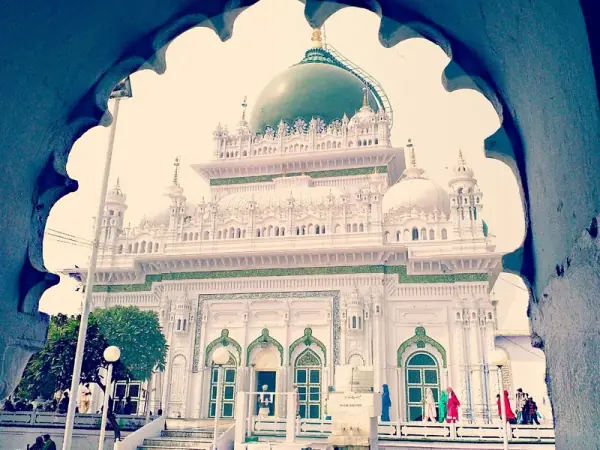
Dewa Sharif Dargah, Barabanki

Sarkar Waris Pak Dargah, Dewa Shareef
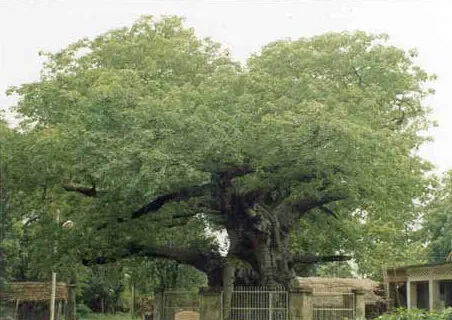
Sacred Parijaat Tree at Kintoor
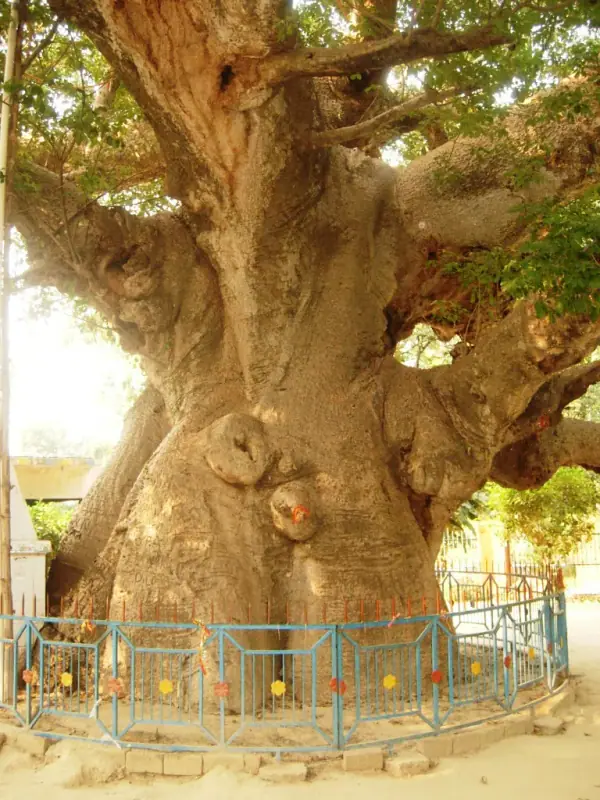
Parijaat Tree Close View, Kintoor
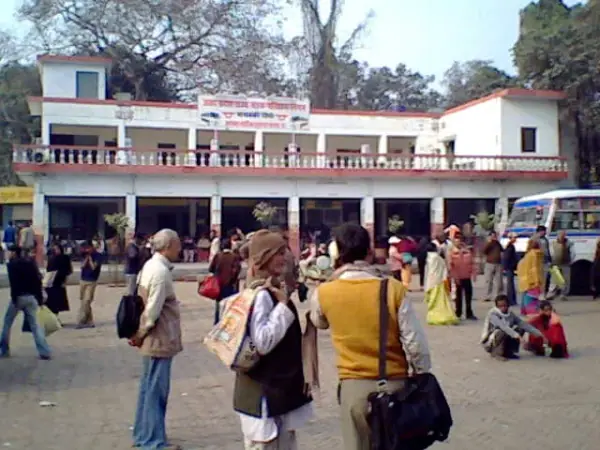
Barabanki UPSRTC Bus Station
Why a pod hotel works in Barabanki
Barabanki is a high-transit, pilgrim-heavy district with zero branded budget accommodation. The twin sites of Dewa Sharif and Lodheshwar Mahadev alone pull ~2 million annual visitors who currently rely on dharamshalas or commute from Lucknow. With Ayodhya Ram Mandir 108 km away generating 160M+ visitors annually, Barabanki sits squarely on the overflow corridor. The Purvanchal Expressway interchange, 125-train-a-day Junction station, and 1,200-bed HIMS hospital create round-the-clock demand from travellers, attendants, and students — yet the town has no capsule hotel, hourly-stay option, or modern pod facility of any kind.
Barabanki sits on NH-27 and NH-28 (the Lucknow-Ayodhya-Gorakhpur trunk route), is the first district the 340 km Purvanchal Expressway passes through after Lucknow, and its junction railway station handles 125 trains and ~6,000 passengers daily. The twin pilgrim sites of Dewa Sharif and Lodheshwar Mahadev drew nearly 2 million visitors in a single year. With Ayodhya Ram Mandir (108 km via NH-28) attracting 160+ million visitors in 2024, overflow transit accommodation demand is immense.
Best ways to use pods here
- Pilgrim transit pods near Dewa Sharif and Lodheshwar Mahadev — serving 2M+ annual visitors to the twin shrines plus Urs festival overflow
- Railway junction pods at Barabanki Junction — 125 daily trains, 6,000 passengers needing short layovers on the Delhi-Gorakhpur mainline
- Hospital attendant pods near HIMS Barabanki — 1,200 OPD patients daily means hundreds of accompanying family members needing overnight stays
- Highway transit pods on NH-28 Lucknow-Ayodhya corridor — capturing Ayodhya-bound pilgrims and Purvanchal Expressway long-haul truckers
- Student and exam-season pods near Jahangirabad Institute of Technology and Government Polytechnic — affordable stays for visiting parents and entrance-exam candidates
Where the demand sits in Barabanki
Transit & travel
- •Barabanki Junction — 125 daily trains, ~6,000 passengers/day, Delhi-Gorakhpur mainline hub
- •NH-28 (Lucknow–Ayodhya–Gorakhpur trunk road) passes through city centre
- •Purvanchal Expressway interchange — Barabanki is first district after Lucknow on the 340 km corridor
- •NH-27 national highway and NH-727H (Barabanki–Lakhimpur Kheri)
- •Chaudhary Charan Singh International Airport, Lucknow — only 40 km away
- •93 UPSRTC bus stations/stops across the district
Healthcare demand
- •Hind Institute of Medical Sciences (HIMS) — 1,200-bed NMC-approved teaching hospital, 1,000-1,200 OPD patients daily
- •District Hospital Barabanki (government)
- •393 hospitals across district (multi-specialty, private, dental, government)
- •Proximity to Lucknow KGMU, Sanjay Gandhi PGI, and RMLIMS (27-40 km) generates attendant/visitor traffic
Education & coaching
- •Jahangirabad Institute of Technology (engineering college)
- •Sagar Institute of Technology & Management
- •Government Polytechnic Barabanki
- •Jahangirabad Media Institute
- •International Rice Research Institute (IRRI) branch at Kursi
- •Krishi Vigyan Kendra (agricultural science centre, est. 2004)
- •Jawahar Navodaya Vidyalaya, Trivediganj
Industry & trade
- •UPSIDC Agro Park, Kursi Road
- •Industrial Area, Dewa Road
- •Industrial Area, Rasool Panah (Fatehpur)
- •Mini Industrial Areas at Ismailpur, Amarsanda, and Sohilpur
- •India PolyFibres Ltd polyester plant
- •DSM Sugar Mill, Rauzagaon
- •UPEIDA industrial corridor planned along Purvanchal Expressway
Tourism & pilgrimage
- •Dewa Sharif — shrine of Sufi saint Haji Waris Ali Shah, 10-day Urs festival draws lakhs from India, Pakistan, Afghanistan
- •Lodheshwar Mahadev Mandir — ancient Shiva temple on the Ghaghra, Mahashivratri fair draws millions; one of 52 Shakti Pitha Shivlings
- •Parijaat Tree, Kintoor — 775-year-old sacred baobab (radiocarbon dated), linked to Kunti/Mahabharata legend
- •Kunteshwar Mahadeva Temple & Kunti Kund, Kintoor — Mahabharata-era site
- •Satrikh — ancient seat of Guru Vashishth, penance ground of Suryavanshi princes
- •Siddhaur — Siddheshwar Mahadev Temple with annual Shivratri fair
- •Kotwa Dham — Baba Jagjivan Das shrine, founder of Satnami sect
- •Ayodhya Ram Mandir overflow — 108 km via NH-28, 160M+ visitors in 2024
Profit & ROI projection for Barabanki
A starter model based on a minimum 50 pods at 70% occupancy and an indicative ₹750/pod/night. Costs use the same itemised basis as our full ROI calculator — pods, add-ons, 18% GST, transport, fit-out and full monthly running cost.
Important: this is only an ASSUMPTION-based projection — not an accurate quote or a guarantee.
The real cost, occupancy, pricing and profit will change with your exact location, property rent, season, competition and how you run the business. Treat these figures as a planning estimate only. For real numbers, use the full calculator or get a custom quote from BIDUA.
Total investment
₹75.7 lakh
50 pods + add-ons + GST + fit-out
Monthly revenue
₹7.9 lakh
35 of 50 pods filled/night
Monthly net profit
₹3.5 lakh
45% margin after all costs
Payback
~21 mo
56% annual ROI
Break-even occupancy ≈ 29% — you only need this much filled to cover all costs; everything above is profit.
| 50 pods (BIDUA mix) | ₹40,30,000 |
| Add-ons (mattress, bedding, panels, safe lock, table) | ₹16,25,200 |
| GST @ 18% (pods + add-ons) | ₹10,17,936 |
| Transport (warehouse → site) | ₹4,00,000 |
| Fit-out, AC, reception, branding + rent deposit | ₹5,00,000 |
| Total investment | ₹75,73,136 |
| Revenue (50 × 70% × ₹750 × 30) | ₹7,87,500 |
| Fixed costs (rent, staff, power, housekeeping…) | – ₹2,52,000 |
| Variable (OTA + marketing + gateway, 23%) | – ₹1,81,125 |
| Net profit / month | ₹3,54,375 |
| Net profit / year | ₹42,52,500 |
Tier 3 indicative assumptions — actual ADR, rent, and occupancy will vary by exact micro-location, season (Urs and Shivratri peak), and operator execution. These figures are not a guarantee of returns. Figures are indicative estimates, not guarantees.
Barabanki pod-hotel business plan & study
A step-by-step plan to launch a capsule / sleeping-pod hotel in Barabanki — from picking the right location to licences, setup, pricing and reaching profitable occupancy.
Demand drivers
25+
transit, hospital, student & tourism footfall points
Space needed (50 pods)
2250–2750 sq ft
single rented floor + reception & washrooms
Break-even occupancy
29%
fill above this and you are in profit
Indicative payback
~21 months
on ₹75.7 lakh all-in setup
1. Pick the right location
Target a floor near Hind Institute of Medical Sciences (HIMS) — 1,200-bed NMC-approved teaching hospital, 1,000-1,200 OPD patients daily or NH-28 (Lucknow–Ayodhya–Gorakhpur trunk road) passes through city centre. Best opening use-case: Pilgrim transit pods near Dewa Sharif and Lodheshwar Mahadev — serving 2M+ annual visitors to the twin shrines plus Urs festival overflow.
2. Plan investment & funding
Budget about ₹75.7 lakh all-in for 50 pods (pods + add-ons + 18% GST + transport + fit-out & deposit). Many operators fund this with a mix of own capital + a small business/MSME loan against projected cash flow.
3. Licences & compliance
Arrange a municipal trade licence, GST registration, fire safety NOC, police/guest verification (where required), and basic building & sanitation approvals before launch.
4. Build & launch
BIDUA shares a free 3D layout, then delivers and helps install the pods. Civil, electrical, AC and reception fit-out typically takes ~30–45 days, so you can open quickly on a leased floor.
5. Pricing & operations
Start at ~₹750/pod/night, and add hourly slots near hospitals for day-rest demand. Run lean with a small reception + housekeeping team; keep pods clean, private and secure to earn repeat stays.
6. Marketing & occupancy
List on OTAs (MakeMyTrip, Booking.com, OYO, Goibibo) + Google Business Profile, and tie up with nearby hospitals, coaching institutes and tour operators to push occupancy past the 29% break-even quickly.
Key risks & how to manage them
Low occupancy in early months. Open with OTA listings + hospital/coaching tie-ups; use hourly pricing to fill day-time.
High rent eating margins. Choose a slightly off-main but accessible floor near Barabanki Junction — 125 daily trains, ~6,000 passengers/day, Delhi-Gorakhpur mainline hub; rent is the biggest lever.
Seasonality / exam & festival peaks. Flex pricing up in peak weeks; offer weekly/monthly pod rentals to students for a stable base.
Cleanliness & safety complaints. Invest in housekeeping, safe locks and CCTV — reputation drives repeat and OTA ratings.
Recommended pod setup for Barabanki
50-pod mixed configuration: 60% single capsule pods (pilgrims, solo transit passengers, hospital attendants), 30% double/family pods (pilgrim families, Ayodhya-bound groups), 10% premium pods (business travellers, medical tourists from Lucknow corridor). Include 24/7 check-in kiosks for late-night train arrivals and hourly-rate options for daytime nap stays.

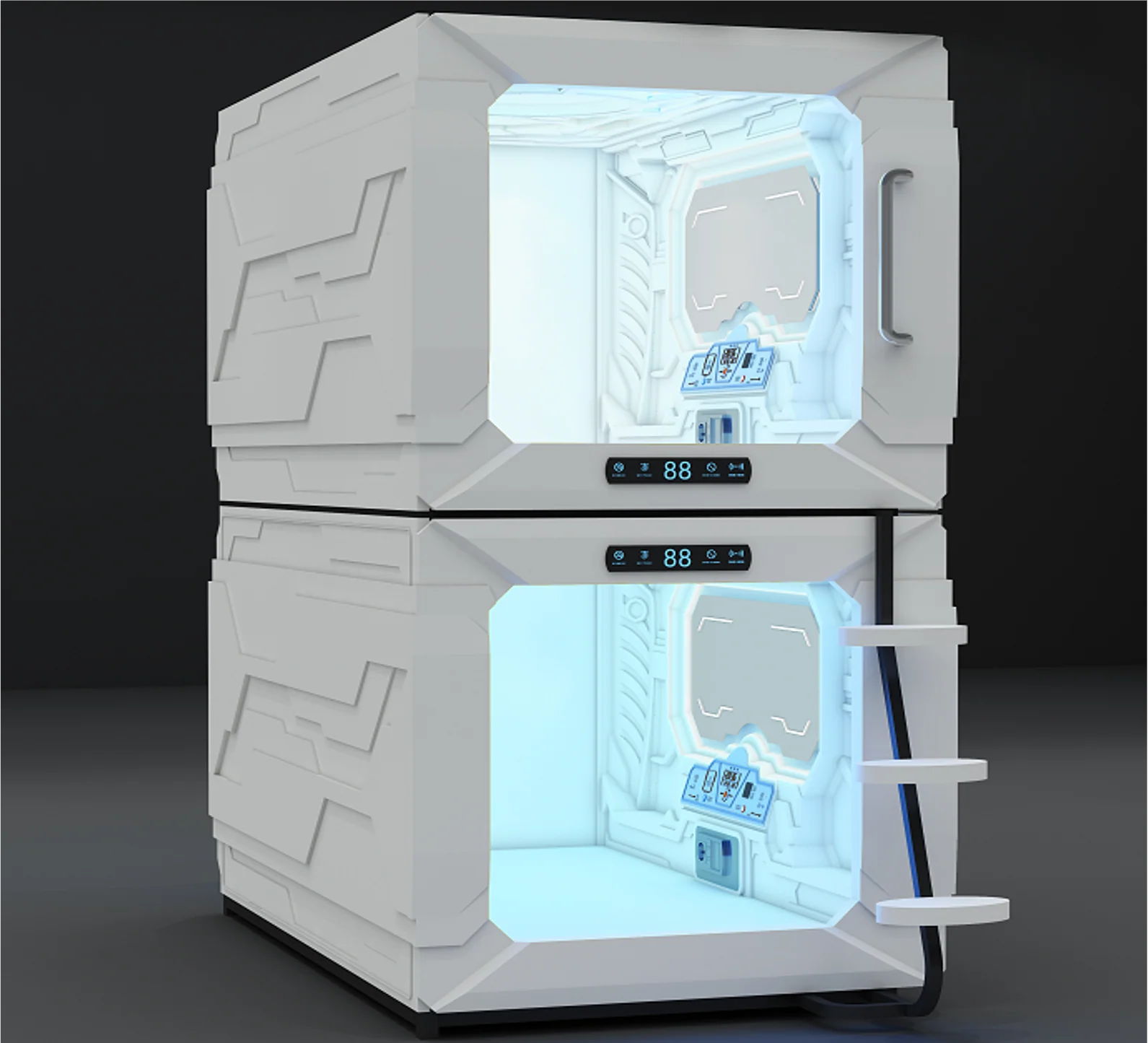
GALAXY Series - Horizontal Single
Standard ABS shell with metal frame featuring TV slot, security sliding door, and ergonomic non-slip ladder. Perfect for hotels, airports, and commercial applications.
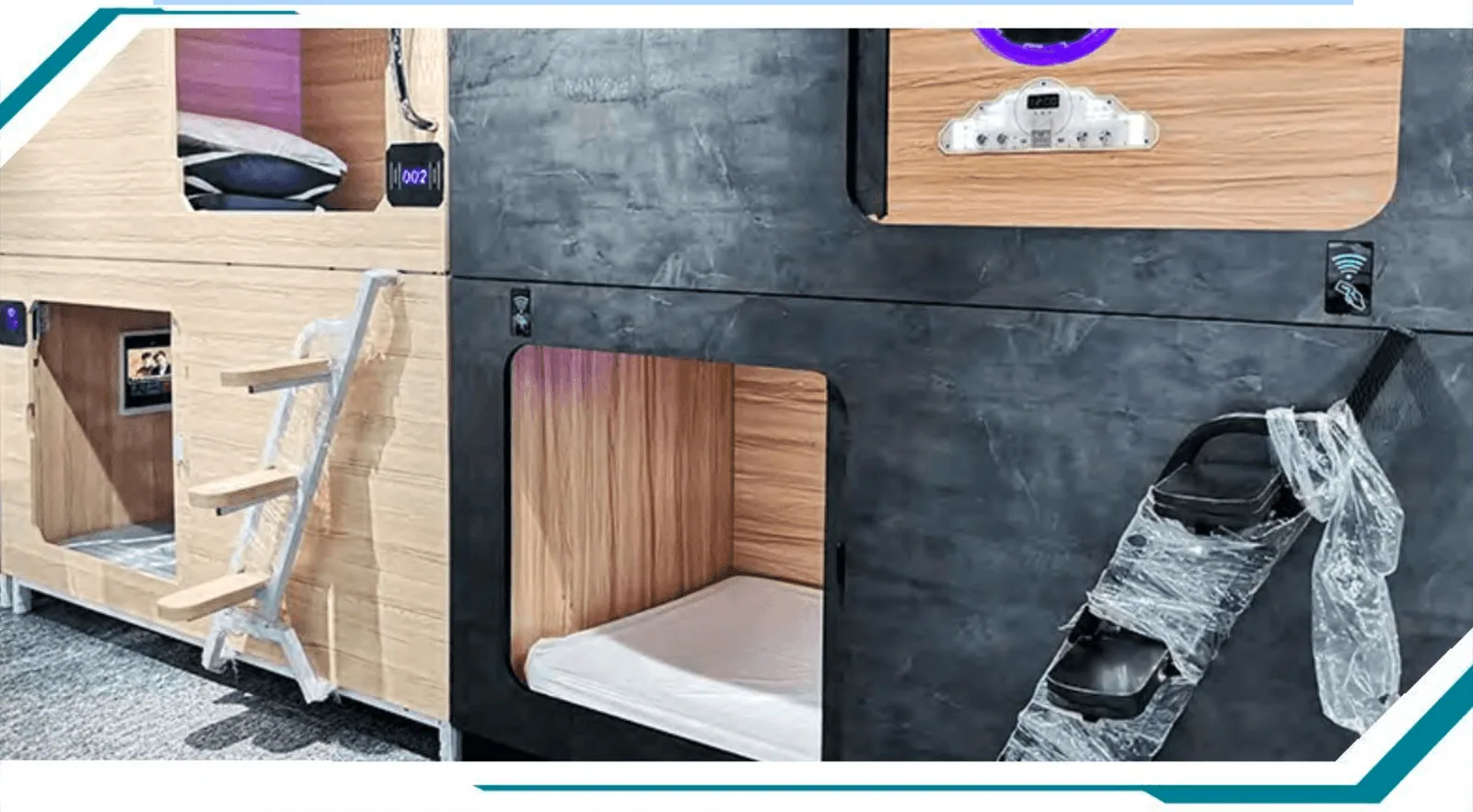
Wooden Series - Horizontal Single
Premium eco multi-layer board construction with metal frame, offering natural wood-grain aesthetics while maintaining all essential capsule bed features.
Market deep-dive
The Barabanki pod-hotel opportunity
Barabanki is not just another small-town district in Uttar Pradesh — it is the mint capital of India, the guardian of a 775-year-old sacred baobab, and the unlikely crossroads where a Sufi shrine and a Shiva temple together draw two million pilgrims every year. Sitting just 27 kilometres east of the state capital Lucknow, the district punches above its weight as a transit hub: its Junction railway station dispatches 125 trains daily on the Delhi-Gorakhpur mainline, four national highways converge through the town, and the brand-new Purvanchal Expressway enters its first district — Barabanki — before stretching 340 kilometres to Ghazipur. Yet for all this movement of people, the district has zero branded budget accommodation, no capsule hotel, and no hourly-stay pod facility of any kind.
The pilgrim economy here is remarkable in its duality. At Dewa Sharif, barely 12 kilometres from town, the shrine of Sufi saint Haji Waris Ali Shah hosts a 10-day Urs festival that draws devotees from as far as Pakistan and Afghanistan — and uniquely celebrates Holi with gulaal inside the dargah complex. Just across the district at Ram Nagar, the ancient Lodheshwar Mahadev Mandir on the banks of the Ghaghra river houses one of the 52 Shakti Pitha Shivlings, pulling millions during Mahashivratri. Add the legendary Parijaat Tree at Kintoor — a sacred baobab radiocarbon-dated to 775 years, linked to Kunti of the Mahabharata — and Barabanki becomes a year-round pilgrimage circuit where affordable, hygienic overnight accommodation is desperately needed.
Beyond pilgrimage, Barabanki's economic fabric creates steady, non-seasonal pod demand. The district leads the entire country in menthol farming with over 20,000 acres under cultivation, supporting thousands of mint-oil traders and buyers who visit during the harvest season. Six industrial areas — from the UPSIDC Agro Park on Kursi Road to mini-clusters at Ismailpur and Amarsanda — host polyester manufacturing, sugar milling, and rubber production. Hind Institute of Medical Sciences, a 1,200-bed NMC-approved teaching hospital, processes over 1,200 OPD patients daily — each bringing attendants who need overnight stays. Engineering colleges like Jahangirabad Institute of Technology draw exam candidates and visiting parents every admission season.
The Ayodhya factor supercharges the case. Since the Ram Mandir inauguration in January 2024, Ayodhya has recorded over 160 million annual visitors — and Barabanki sits squarely on NH-28, the primary Lucknow-Ayodhya highway, just 108 kilometres and a two-hour drive from the temple. With Ayodhya's hotel inventory overwhelmed during peak seasons, Barabanki is perfectly positioned as a spillover corridor where a 50-pod BIDUA Pods installation near the Junction station or on the highway bypass could serve Ayodhya-bound pilgrims, railway transit passengers, hospital attendants, and industrial visitors simultaneously — unlocking a market that no operator has yet tapped.
Barabanki pod hotel — FAQs
Why does Barabanki need a sleeping pod hotel when Lucknow is only 27 km away?+
Exactly because of that proximity — thousands of daily train passengers, Dewa Sharif pilgrims, and HIMS hospital attendants arrive in Barabanki at odd hours and need affordable, hygienic short-stay accommodation right here rather than a costly taxi ride to Lucknow. A capsule hotel at the junction or near the shrines fills a gap no Lucknow hotel can serve.
What is a Japanese pod hotel and how would it work for Dewa Sharif Urs pilgrims?+
A Japanese-style pod hotel (also called a capsule hotel) offers compact, private sleeping pods with AC, charging points, and secure lockers at a fraction of conventional hotel rates. During the 10-day Urs festival when lakhs of pilgrims flood Dewa Sharif, pod hotels can accommodate 50+ guests in the space of a small floor — solving the chronic accommodation shortage at peak pilgrim times.
How much does a nap pod cost per night in Barabanki?+
Based on Barabanki's Tier 3 economics, a single sleeping pod is projected at around Rs 700-800 per night — significantly cheaper than any conventional hotel room. Hourly nap pod rates for transit passengers at the railway junction could start even lower, making it the most affordable private-rest option in the district.
Can a pod hotel near Barabanki Junction serve passengers on the Delhi-Gorakhpur train route?+
Absolutely. Barabanki Junction handles 125 trains daily on the Delhi-Basti-Gorakhpur broad-gauge mainline. Passengers with long layovers, missed connections, or early-morning departures currently sleep on platform benches. A Chinese-style budget pod hotel within walking distance of the station would provide clean, private rest at hourly rates — a first for any small-town Indian junction.
Is there demand for capsule hotels near hospitals in Barabanki?+
Hind Institute of Medical Sciences (HIMS) alone records 1,000-1,200 OPD patients daily across its 1,200-bed facility. Each patient typically brings 1-2 family attendants who need overnight stays — that is 1,000+ potential pod-hotel guests every single day. Current options are overpriced private rooms or unhygienic lodges. Sleeping pods offer a clean, affordable middle ground.
How does Ayodhya Ram Mandir traffic benefit a pod hotel in Barabanki?+
Ayodhya recorded 160+ million visitors in 2024 after the Ram Mandir inauguration. Barabanki sits on NH-28, the primary Lucknow-Ayodhya highway, just 108 km from the temple. Budget pod hotels in Barabanki can capture overflow demand from pilgrims who cannot find affordable rooms in Ayodhya, especially during peak festivals — offering them a clean rest stop on the highway corridor with easy onward travel.
Start your Barabanki pod hotel with BIDUA
Sign up to design your space in 3D, build a presentation, and get a quotation + ROI from one dashboard — or talk to our team for a custom Barabanki plan.